 Whalesbook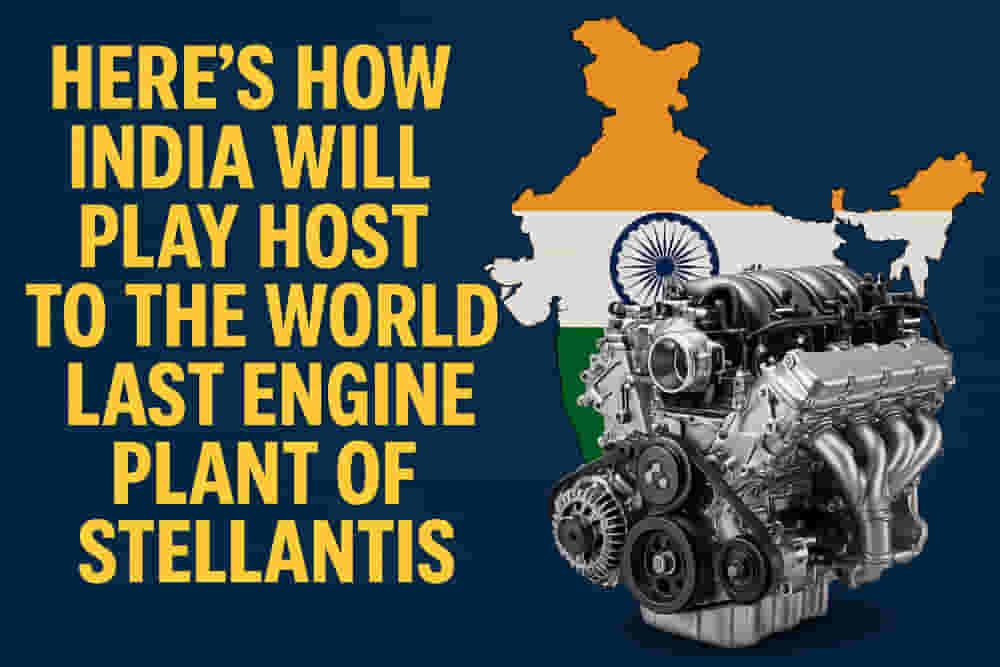
Stellantis is positioning its manufacturing facility in Hosur, Tamil Nadu, to become its sole global hub for engine and gearbox production, a significant strategic shift for the European automaker. This decision occurs even as major markets like Europe and the United States accelerate their transition towards electric powertrains. The Hosur plant will continue manufacturing internal combustion engine (ICE) components, which are expected to remain dominant in many global markets outside of Europe and North America for years to come.
India was chosen due to its robust manufacturing infrastructure and its status as the world's third-largest car market. Projections suggest that by 2030, only about 25% of the Indian car market will be electric, leaving a substantial 75% open to traditional ICE technologies. Currently, 95% of the production from the Hosur plant is exported, contributing 5% to Stellantis's global engine and gearbox output.
Stellantis, which has invested over Rs 11,000 crore in India, also exports complete vehicles like Citroen cars and Jeep SUVs. Despite a minuscule domestic market share in India (under 1% in FY25), the company intends to significantly expand its operations by planning to more than double its purchases of auto parts from Indian suppliers to Rs 10,000 crore in 2026 from Rs 4,000 crore in 2025, supported by a vendor base of 138 suppliers.
Impact:
This development is expected to bolster India's position as a key global automotive manufacturing hub, create employment opportunities, and provide a significant boost to the Indian auto component industry. It highlights the strategic importance of India's manufacturing capabilities in a shifting global automotive landscape.
Rating: 7/10
Difficult Terms:
Electric powertrains: These are systems that use electricity, such as batteries and electric motors, to propel a vehicle.
Internal Combustion Engine (ICE): This refers to traditional engines that burn fuel, like petrol or diesel, to generate power.
EV penetration: This is the percentage of total vehicles in a market that are electric.
Manufacturing hub: A location where a large volume of production or manufacturing for a specific industry or company is concentrated.