

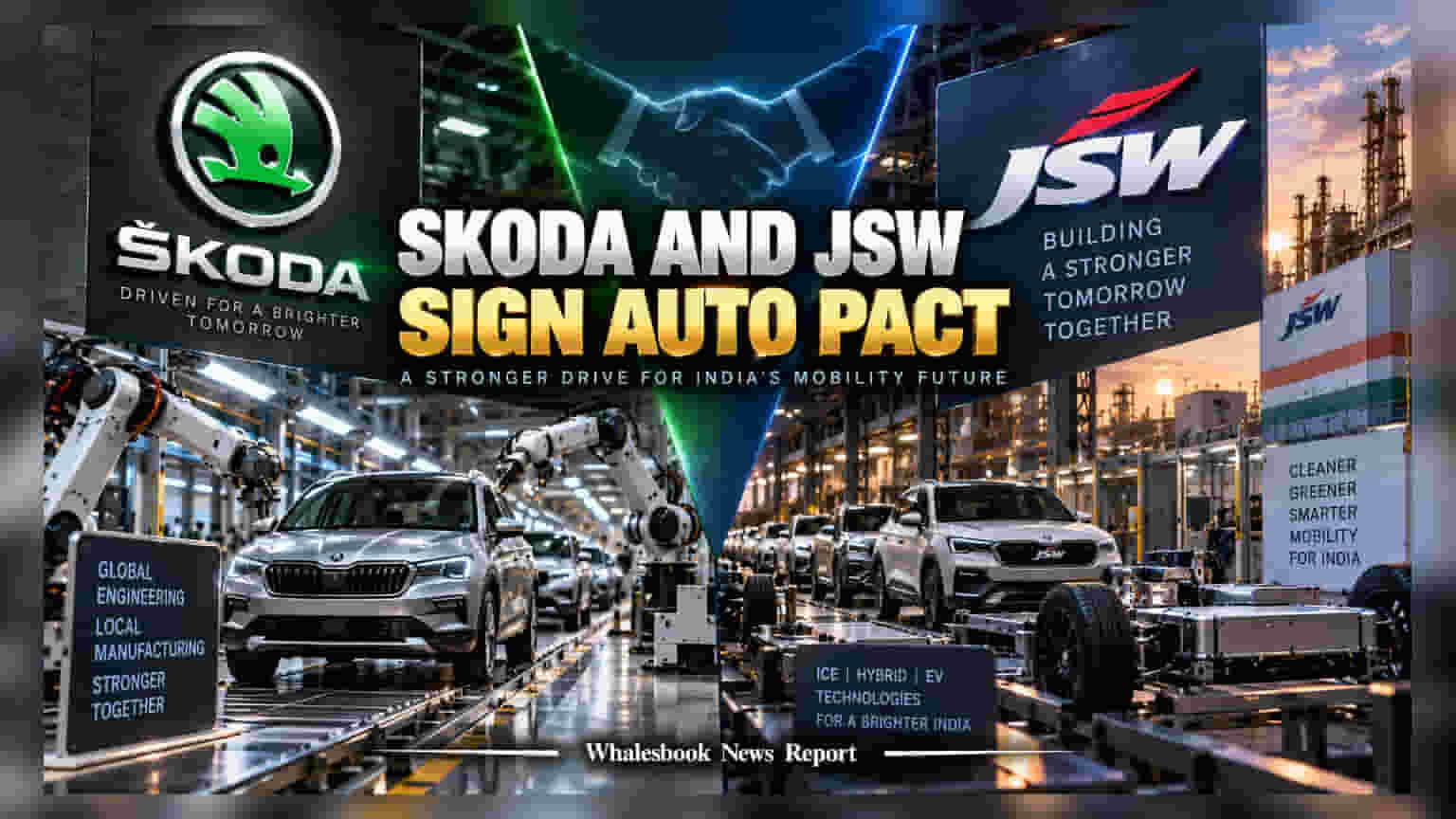
Skoda Auto and JSW Green Mobility have signed a non-binding MoU to explore a 51:49 joint venture in India. The partnership aims to produce internal combustion, hybrid, and electric vehicles to boost market presence. This strategic move remains subject to final board approvals and regulatory clearances by late 2026.
Skoda Auto and JSW Green Mobility have entered into a non-binding memorandum of understanding to explore a potential 51:49 joint venture in the Indian market. The proposed partnership aims to pool resources for the development, production, and sale of passenger vehicles, covering a wide range of technologies including traditional internal combustion engines, hybrids, and battery-electric vehicles.
This move is a significant expansion for the JSW Group, which has been aggressively growing its footprint in the mobility sector. The collaboration is intended to be separate from JSW’s existing automotive alliance with SAIC Motor, known as JSW MG Motor India. For Skoda, which currently holds a market share of approximately 2% in India, the partnership represents a strategic effort to deepen local manufacturing capabilities and improve cost competitiveness in a highly price-sensitive market.
Strategic Goals and Technology Focus
The planned joint venture is designed to leverage Skoda’s global engineering and product portfolio alongside JSW’s manufacturing scale. By focusing on localized production, the companies aim to reduce costs and protect profit margins against global supply chain volatility. Market estimates suggest that the project could involve capital commitments exceeding ₹10,000 crore, though financial specifics such as final equity distribution are still under negotiation.
Both companies are currently in exclusive talks to finalize the transaction terms. The target is to reach a binding agreement by December 2026. The structure of the proposed entity is expected to prioritize joint control to allow for faster decision-making, which is crucial in the fast-paced automotive industry.
Risks and Market Hurdles
While the announcement marks a major strategic step, investors should note that the memorandum is non-binding. The deal faces several hurdles, including complex valuation negotiations and the need for rigorous internal board approvals. Any final transaction will also require necessary regulatory clearances.
Beyond these procedural steps, the integration of such a large-scale project carries inherent risks. These include the complexities of merging supply chain operations, aligning manufacturing assets, and managing workforce transfers. The companies must also navigate ongoing challenges in the sector, such as historical legal disputes—for instance, the customs-related matters involving Volkswagen in India—which could require resolution. Furthermore, success will ultimately depend on the ability of the joint venture to compete in the crowded Indian passenger vehicle market, where established players have a strong grip on consumer preferences and distribution networks. The primary monitorables for this venture will be the progress toward a binding agreement, specific project timelines, and the resolution of regulatory and legal considerations as the companies move toward finalization.