

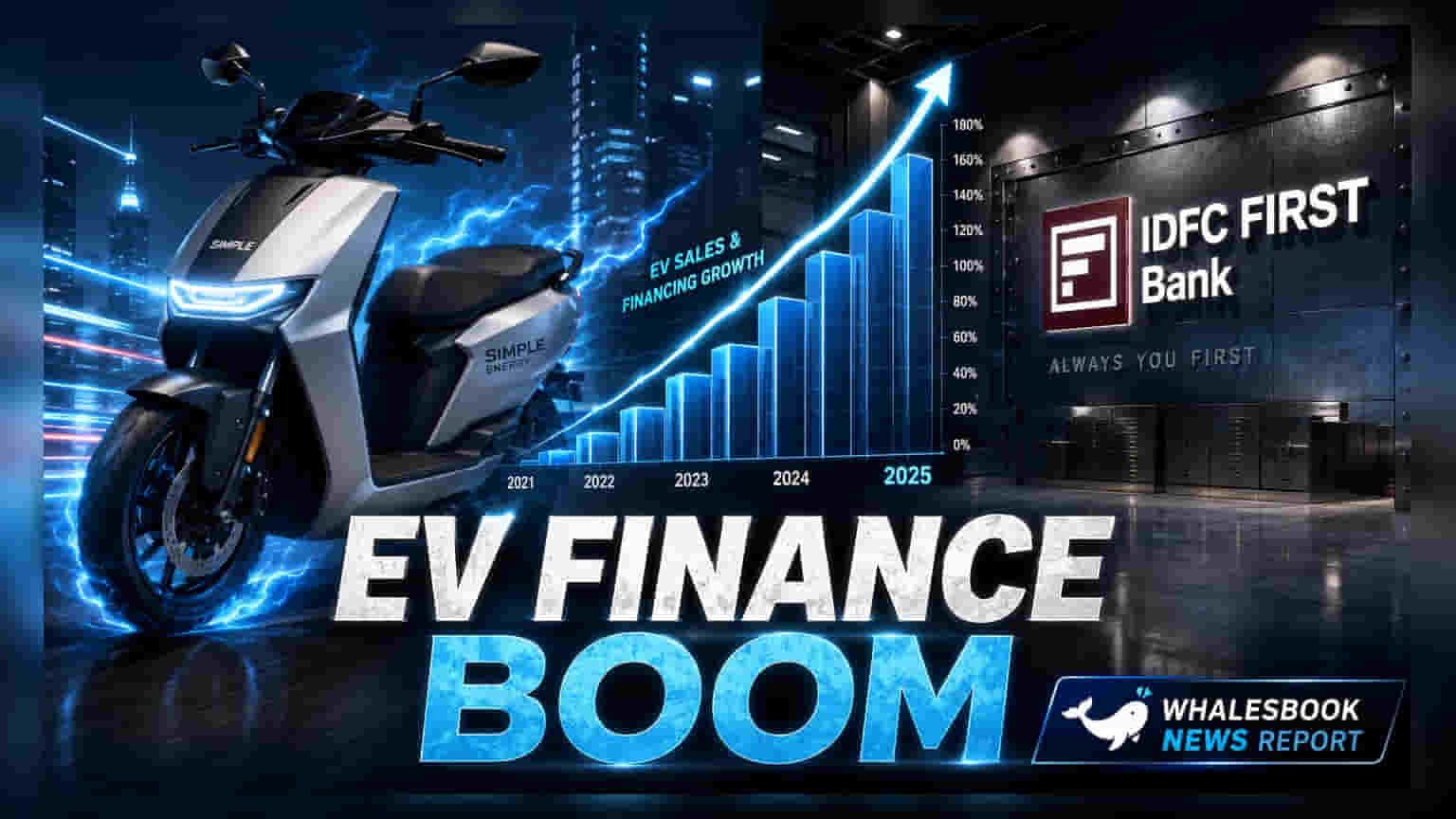
Electric vehicle maker Simple Energy has tied up with IDFC FIRST Bank to offer financing options at its dealerships across India. This partnership aims to make vehicle ownership more accessible as the company expands its retail footprint to new cities. The move comes shortly after the startup secured ₹250 crore in Series B funding.
Electric vehicle startup Simple Energy has signed a partnership with IDFC FIRST Bank to provide financing solutions for its electric scooter lineup. Under this arrangement, customers visiting the company’s authorized dealerships will have access to loan options from the bank, helping to streamline the buying process for new vehicle owners.
Retail Expansion and Product Pricing
Simple Energy currently maintains a network of 73 outlets spread across 39 cities, including key markets such as Bengaluru, Delhi, and Chennai. The company is in the process of growing its reach further, with plans to enter cities like Ranchi and Bhubaneshwar in the near future. This retail expansion is being supported by the company’s recent financial activity, including a ₹250 crore Series B funding round completed last month. The company’s portfolio currently includes the Simple OneS Gen 2 starting at ₹1,59,999, the Simple One Gen 2 priced from ₹1,94,999, and the Simple Ultra, which is listed at ₹2,34,999, all at ex-showroom prices.
Strategic Impact on EV Adoption
For an EV startup, establishing financing partnerships is a common strategy to lower the upfront cost barrier for buyers. By integrating bank financing directly at the point of sale, companies aim to increase their sales volume and compete more effectively in a market dominated by traditional internal combustion engine vehicles. The effectiveness of this move for Simple Energy will depend on its ability to sustain its retail expansion and convert interest into actual sales, particularly as it scales operations in new territories.
Investors may monitor how quickly the company can utilize its recent funding to scale its manufacturing and delivery capabilities, as production execution and meeting delivery timelines remain critical for startups in the competitive Indian electric two-wheeler sector. Additionally, the company's ability to maintain its profit margins while expanding its dealership network and providing financing incentives will be a key area to track in future financial reports.