 Whalesbook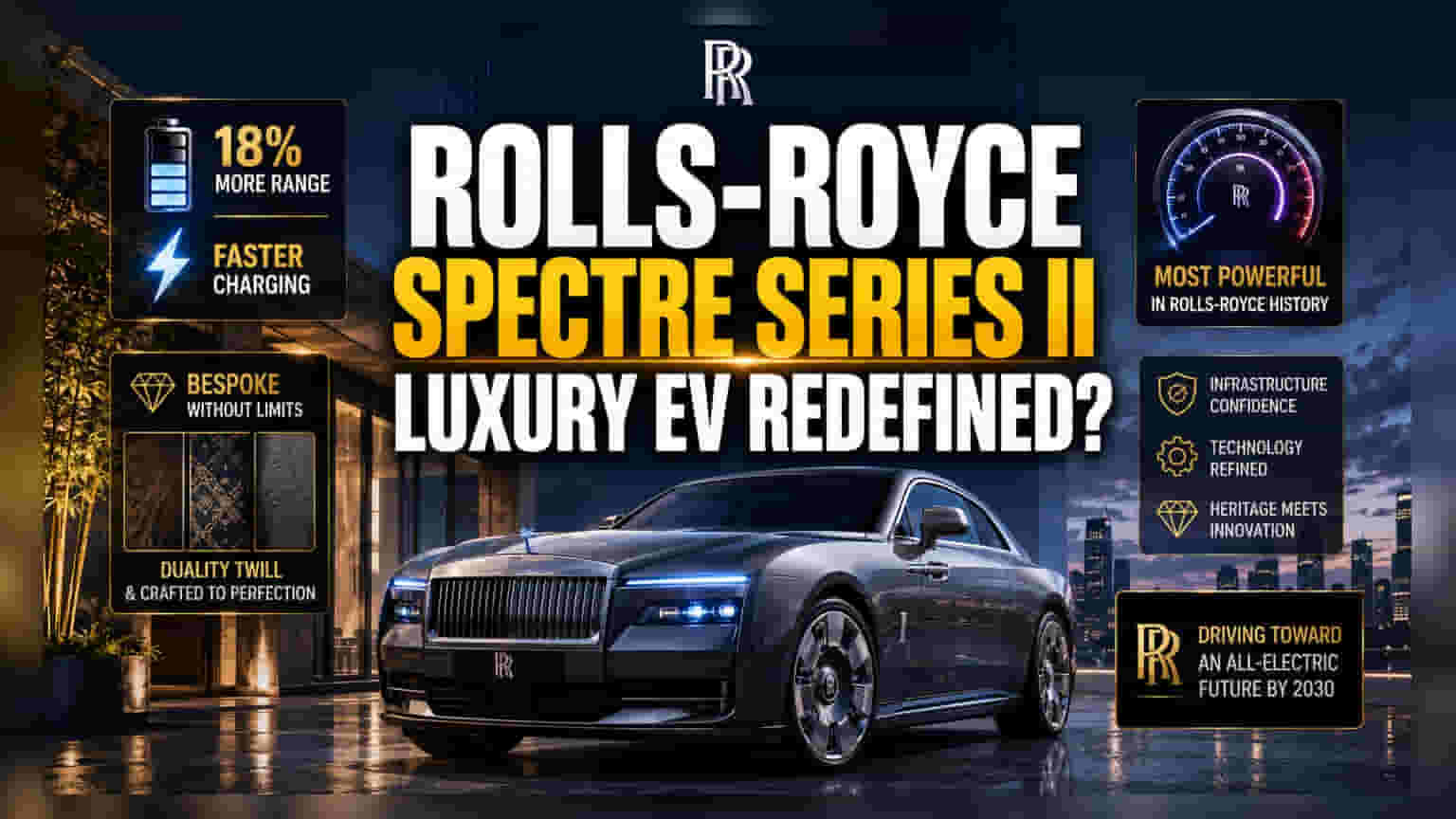


The Efficiency Pivot
The shift toward the Spectre Series II represents a calculated attempt to address the primary friction point for ultra-luxury electric vehicle owners: infrastructure anxiety. By squeezing an additional 18% of range from the existing architecture, the company is attempting to outpace the range expectations of a demographic that remains historically tethered to internal combustion convenience. The reduction in charging times, while notable, arrives as the broader automotive sector grapples with plateauing demand for premium EVs, suggesting that Rolls-Royce is prioritizing technical polish over radical architectural innovation to maintain its pricing power.
Competitive Benchmarking and Market Context
While the marque maintains its dominance in bespoke craftsmanship, the competitive environment has evolved since the original Spectre launch. Manufacturers such as Lucid and the Mercedes-Maybach division are increasingly encroaching on the super-luxury electric space with superior battery density metrics. Rolls-Royce has countered this by leaning heavily into its heritage-led customization, such as the bamboo-based Duality Twill and complex lighting fascias. This strategy effectively pivots the value proposition from purely technological parity toward sensory exclusivity. Investors should note that by opting for iterative upgrades rather than a platform overhaul, the company is protecting its margins from the heavy R&D expenditure currently plaguing larger mass-market EV players.
The Forensic Bear Case
The reliance on high-cost, labor-intensive interior refinements creates a unique set of operational risks. While these bespoke elements command significant premiums, they also introduce supply chain vulnerability regarding sustainable material sourcing. Furthermore, the decision to market the Spectre as the most powerful vehicle in the company’s history highlights an aggressive stance, yet this brings the brand into direct conflict with stricter emissions and safety scrutiny for high-performance electric weights. Critics argue that Rolls-Royce faces a structural ceiling; as the company remains a subsidiary of the BMW Group, its ability to differentiate its electric powertrain technology from group-wide components remains limited. Dependence on shared modular platforms may eventually constrain the brand's ability to offer distinct performance advantages over corporate siblings as the electric transition matures.
Future Outlook
Market consensus suggests that the Spectre Series II will serve as a bridge toward the marque's commitment to an all-electric lineup by 2030. Analysts are currently monitoring how effectively these aesthetic and range enhancements stimulate order books in a high-interest-rate environment, where even the ultra-wealthy are showing increased selectivity. The primary indicator for success in the coming quarters will be whether the brand can sustain its record-breaking delivery figures without relying on aggressive discounting of outgoing inventory.