 Whalesbook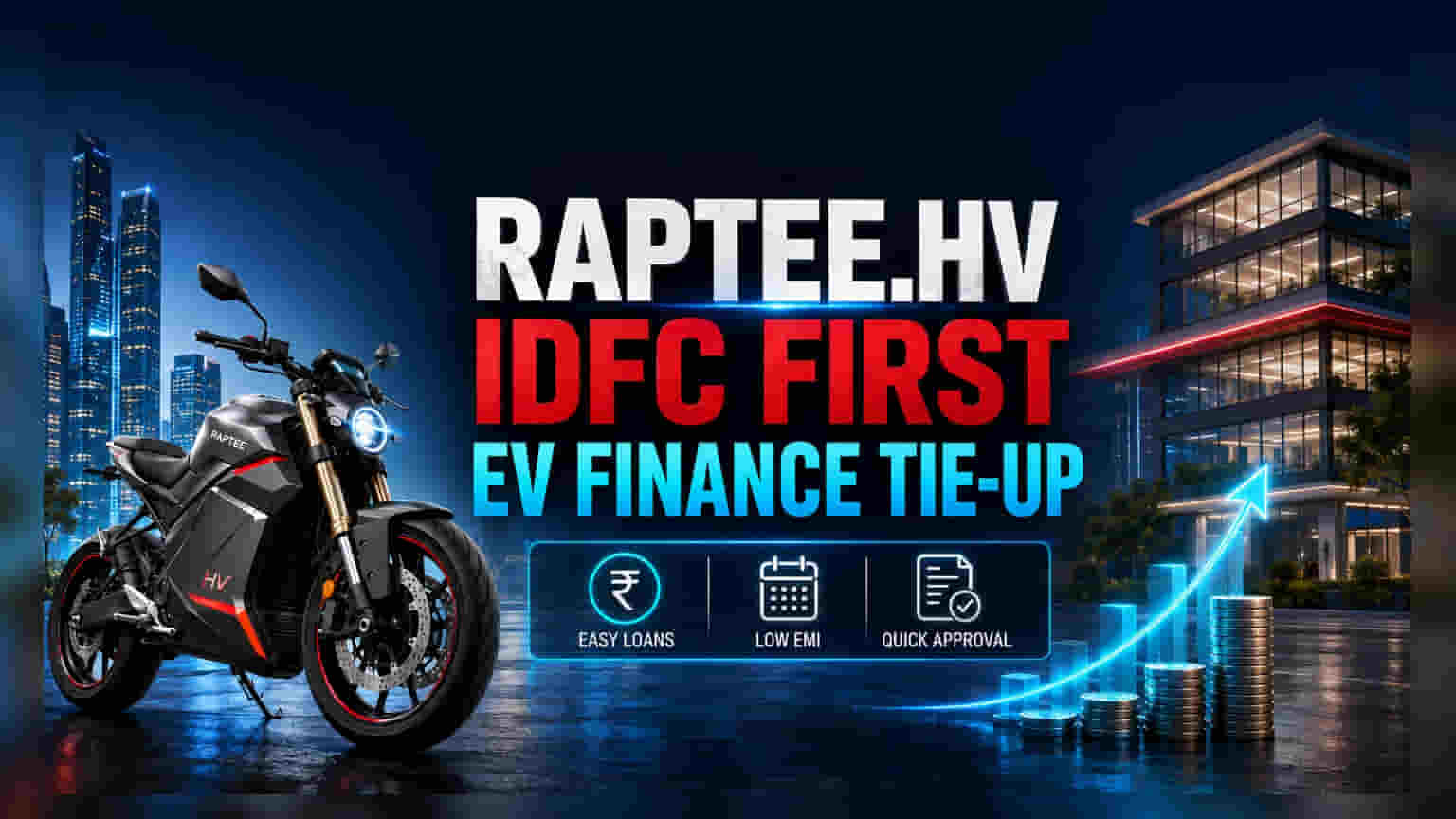


Chennai-based EV startup Raptee.HV has partnered with IDFC FIRST Bank to offer easier loan options for its electric motorcycles. This collaboration targets the critical hurdle of high upfront costs for electric two-wheelers, making ownership more accessible. The move reflects a broader trend of banks deepening their footprint in the green mobility space to capture retail demand, while startups like Raptee.HV leverage such alliances to accelerate sales and scale their distribution network.
What Happened
Electric motorcycle manufacturer Raptee.HV has announced a strategic financing partnership with IDFC FIRST Bank. This collaboration is designed to simplify the purchasing process for consumers by offering easier loan terms, faster approval times, and flexible repayment structures for Raptee’s electric two-wheelers. This move is part of the EV startup's ongoing effort to expand its retail finance network as it scales its operations across India.
Why This Matters For Investors
For an emerging EV startup like Raptee.HV, financing is not just an operational detail; it is a major sales lever. Electric motorcycles, like their combustion engine counterparts, require significant upfront capital. By integrating with a large lender, the company aims to lower the psychological and financial barrier for potential customers, many of whom may be new to the electric vehicle segment.
For IDFC FIRST Bank, the partnership aligns with its broader retail growth and sustainable finance strategy. The bank has been actively building a "green" loan portfolio, utilizing green deposits to fund cleaner transportation initiatives. Partnering with niche EV manufacturers allows the bank to tap into the growing, albeit specific, market of electric two-wheeler buyers, diversifying its retail loan book beyond traditional vehicles.
The Business Context
Raptee.HV has recently begun delivering its high-voltage T30 electric motorcycle. As a startup aiming to scale from its initial production batches to higher volumes—targeting 14,000 units by FY28—establishing a robust sales and support ecosystem is critical. Access to financing is the missing link that often determines the success of EV adoption in India. Without competitive financing, even a well-engineered product faces a limited addressable market.
IDFC FIRST Bank has shown a sustained interest in the electric vehicle segment, having previously partnered with other EV players. The bank’s ability to leverage its existing retail infrastructure to offer specialized loan products for electric motorcycles suggests a clear intent to capture market share in this developing segment, which is seen as a key growth area for retail banking over the next decade.
Sector Challenges and Risks
While the partnership is a positive step for accessibility, it also highlights the complexities of EV financing in India. Financial institutions generally face three key risks when lending against electric two-wheelers:
Asset Resale Uncertainty: Unlike traditional petrol bikes with established secondary markets, the resale value of electric motorcycles remains uncertain. This makes it harder for lenders to value the collateral in case of default.
Technology Evolution: The rapid pace of battery and motor innovation can lead to faster technology obsolescence, potentially impacting the long-term value of the financed asset.
Borrower Profile: Many first-time EV buyers, particularly in the two-wheeler segment, may have limited or thin credit histories. This necessitates more sophisticated underwriting models than those used for traditional vehicle loans.
What Investors Should Track
For stakeholders and market observers, the key monitorables will be the penetration rate of this financing facility—what percentage of Raptee.HV’s total sales are driven by loans through this partnership versus cash purchases. Additionally, monitoring the quality of these loans over the next few quarters will be important to see if the underwriting models effectively mitigate the risks associated with the nascent EV market. Success here could lead to broader adoption of similar models by other lenders and manufacturers, shaping the future of EV retail financing in India.