

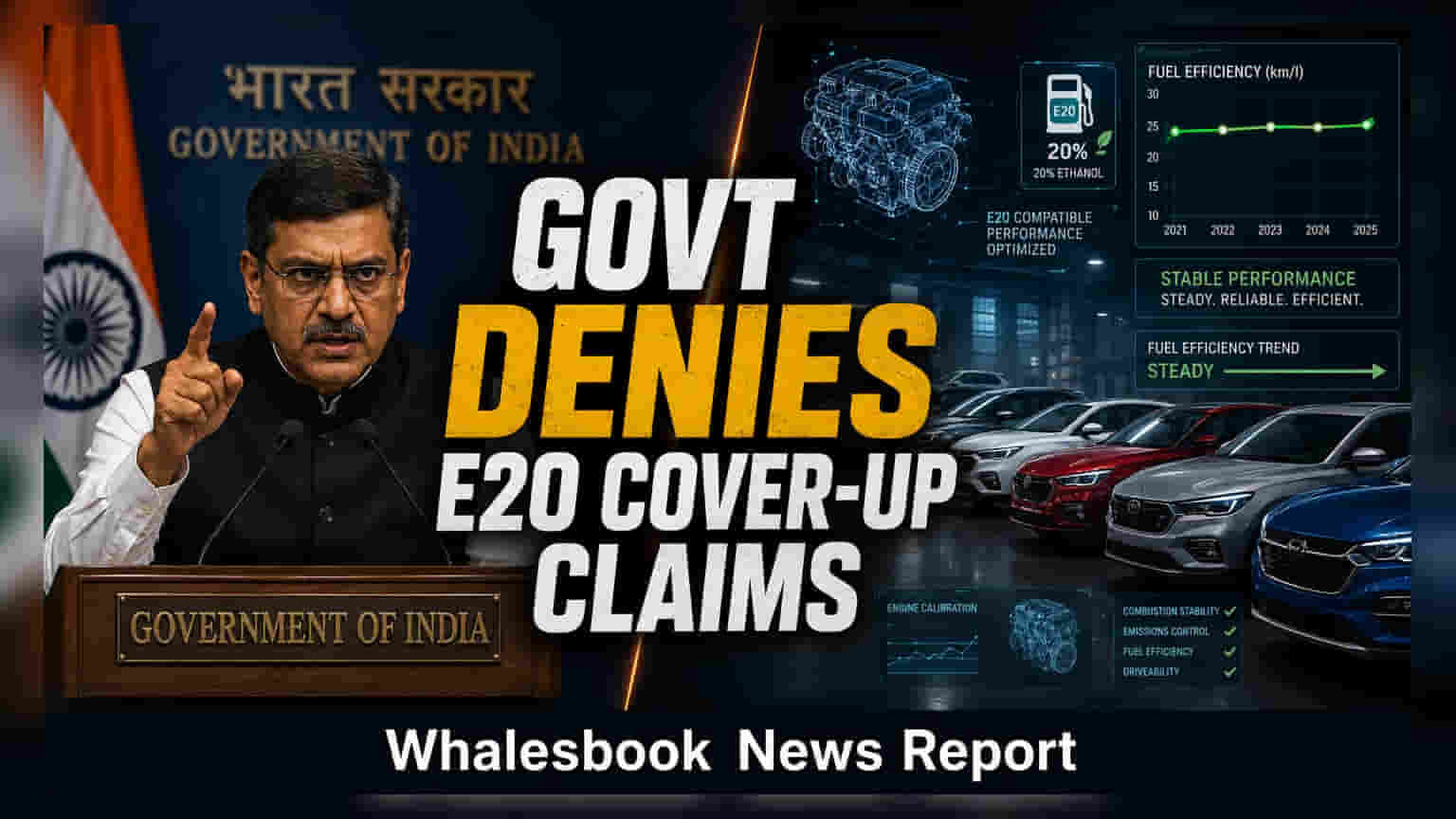
The government has rejected claims that it is forcing automobile companies to hide issues linked to E20 petrol. Officials stated that manufacturers remain legally liable for warranties, making it impossible to conceal systemic engine defects. This reassurance follows public statements from major automakers confirming the rigorous testing of vehicles for E20 compatibility.
The Ministry of Petroleum and Natural Gas has formally dismissed allegations suggesting that Indian automobile manufacturers are being coerced to suppress information regarding potential problems with E20 fuel, which contains 20% ethanol. In a clarification issued on Thursday, the ministry highlighted that major automakers are independent, publicly traded companies subject to strict governance and regulatory standards. These entities are legally obligated to disclose material information to shareholders and the public, making the concealment of widespread vehicle defects practically impossible.
Liability and Warranty Obligations
Financial and operational risk remains a key factor for investors to consider. The government emphasized that if E20 fuel were causing systemic engine or fuel system failure, companies would face a surge in warranty claims, product liability litigation, and heavy regulatory penalties. Furthermore, such issues would likely result in mandatory service campaigns that would be clearly visible in quarterly financial reports and operational disclosures. The continued honoring of warranties by manufacturers serves as a practical indicator that these companies maintain confidence in the compatibility of their current vehicle lineups with E20 fuel.
Industry Validation and Testing
Major players in the Indian automotive sector, including Maruti Suzuki, Hyundai Motor India, Tata Motors, Toyota Kirloskar, Bajaj Auto, and TVS Motor Company, have consistently communicated that their E20-compatible models underwent extensive testing before hitting the market. This validation process is crucial for maintaining brand reputation and avoiding the significant costs associated with engine recalls. The ministry noted that the absence of large-scale consumer complaints or abnormal service center traffic further supports the conclusion that the transition to 20% ethanol blending is proceeding without evidence of widespread technical defects.
Monitoring Future Developments
For investors, the focus remains on the long-term impact of ethanol blending on vehicle performance and maintenance costs. While the current official stance and company disclosures downplay technical risks, it is important to track any future changes in warranty policies, significant recalls related to fuel systems, or updates from the Automotive Research Association of India regarding long-term durability tests. Any shift in how manufacturers report service data or changes in fuel-efficiency standards will be relevant to assessing the operational health of these companies as the nation moves toward its ethanol-blending targets.