

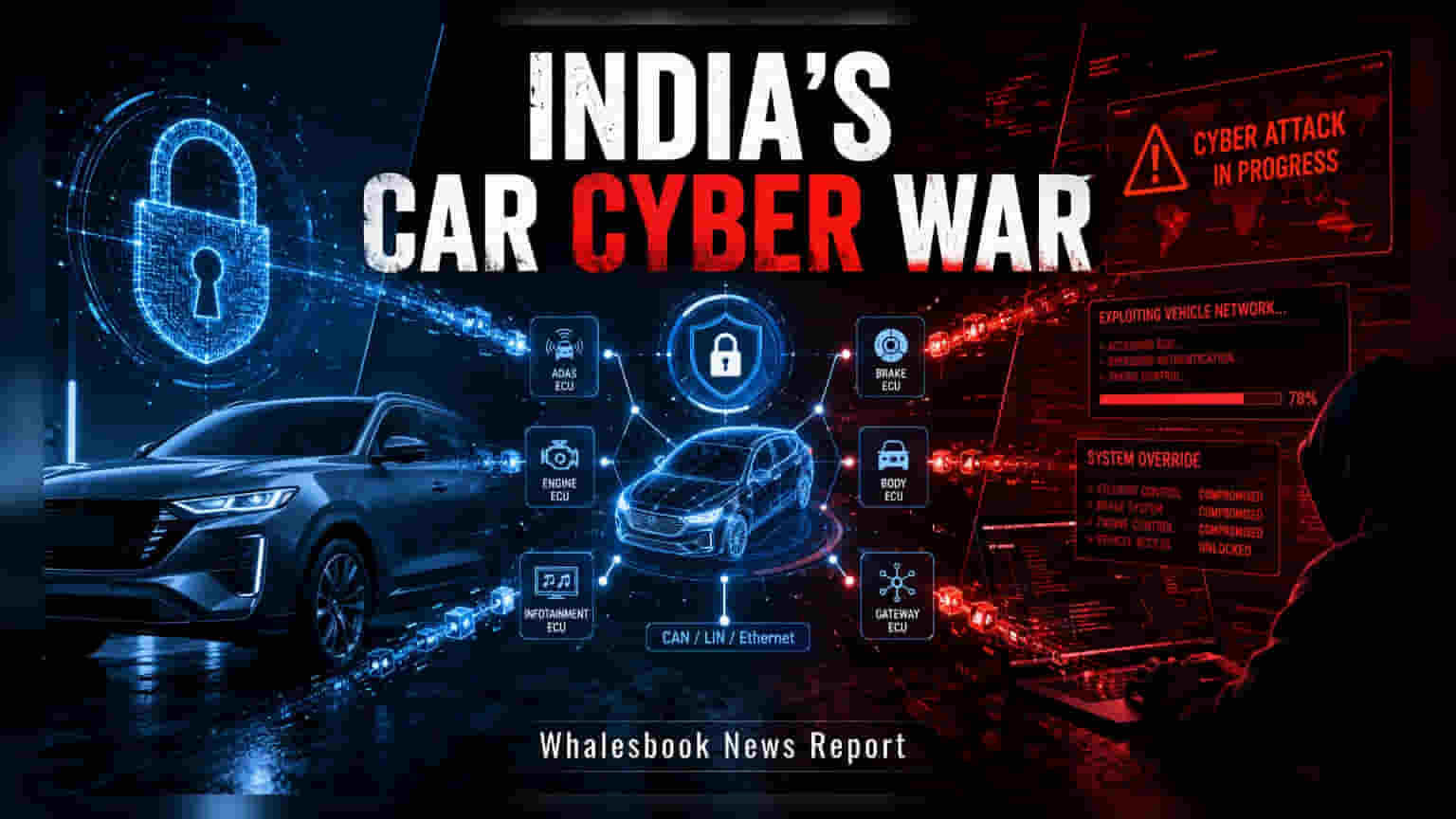
India is drafting strict cybersecurity rules for all new vehicles following recent hacking incidents involving e-rickshaws. The framework, expected within six months, aims to mandate hacking-proof standards for data-connected features. This move will significantly impact auto manufacturers that rely on advanced software, data transmission, and driver-assistance systems in their latest vehicle models.
Detailed Coverage
The Indian government is preparing to implement a comprehensive cybersecurity framework for the automotive sector as part of a push to protect vehicles from digital interference. This initiative follows verified reports of unauthorized tampering with electronic rickshaw batteries through mobile applications, which has raised concerns about the vulnerability of modern connected vehicles.
Impact on Advanced Vehicle Technology
The upcoming regulations will focus on creating hacking-proof standards for any vehicle features that collect, process, or transmit data. This is particularly important for modern vehicles equipped with Advanced Driver-Assistance Systems (ADAS), which rely heavily on software to manage driving functions. With projections suggesting that 90% of new passenger vehicles will feature ADAS capabilities by 2030, the government is prioritizing the security of these semi-autonomous systems to prevent potential sabotage or unauthorized control.
Data Privacy and Compliance Requirements
Beyond hardware safety, the framework will address how vehicles handle sensitive information. Modern cars continuously transmit location data and environmental information, raising questions about where this data is stored and who has access to it. Authorities are evaluating if automotive companies are fully complying with existing regulations like the Digital Personal Data Protection Rules (DPDP), 2025. Manufacturers may soon be required to prove that their vehicles meet specific data storage and utilization protocols before they can be sold to consumers.
Industry Challenges and Future Monitorables
For automotive companies, this development signals a shift toward higher compliance costs as they integrate security features into their designs. While the industry is already moving toward more software-heavy vehicles, the cost of implementing mandatory cybersecurity safeguards could affect profit margins if companies cannot pass these expenses to consumers. Furthermore, the government is looking into whether existing connected vehicles can be protected through over-the-air (OTA) software updates, which could require additional service infrastructure. Investors should track the specific technical standards released in the coming months, as they will define the scale of capital spending required for compliance. Companies that have already invested in robust software security may have a competitive advantage as these stricter norms become the standard for the entire Indian automotive sector.