

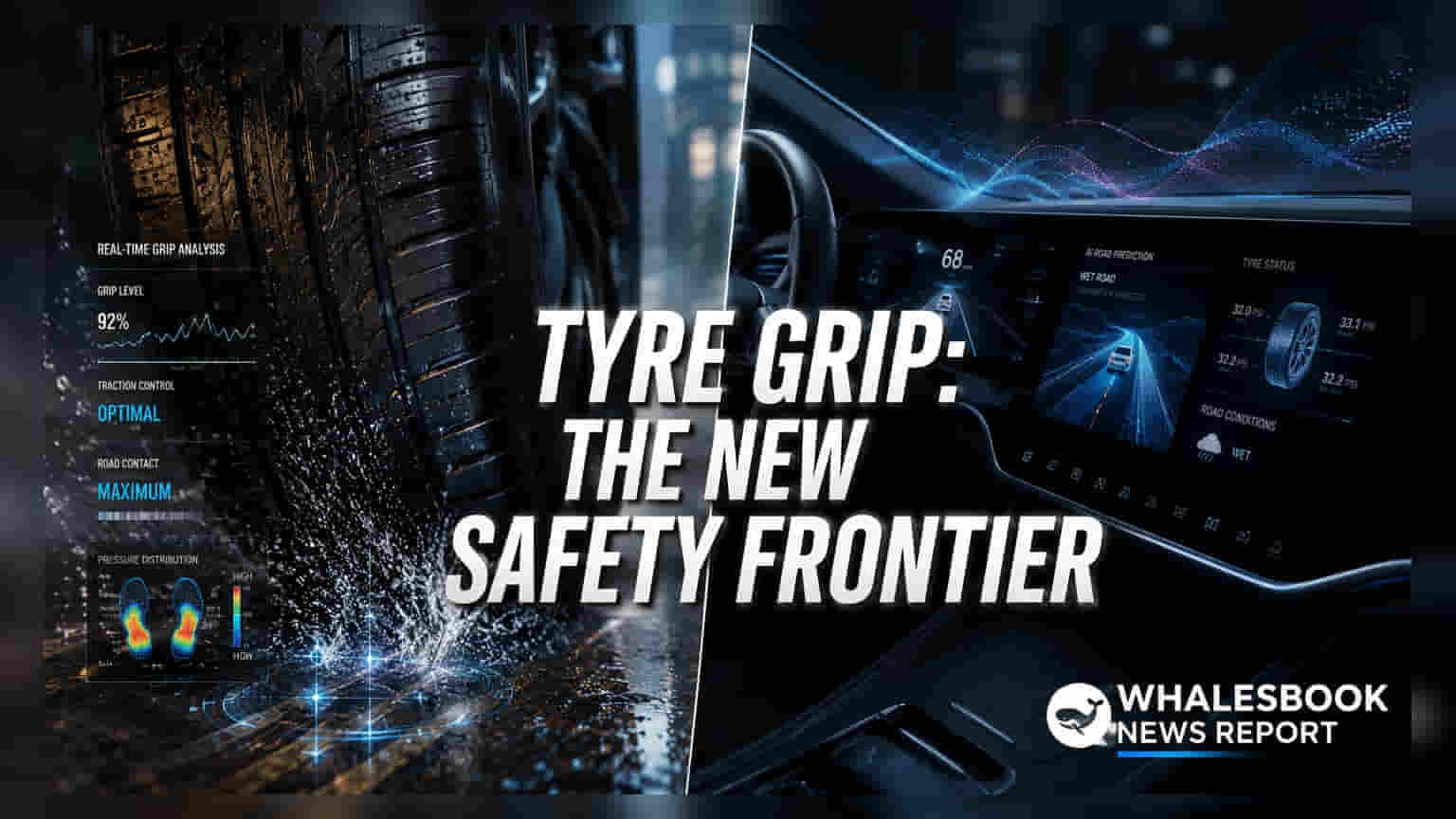
Engineers are developing software that uses existing vehicle sensor data to predict tyre traction loss in real-time. This approach seeks to improve safety without the need for expensive new hardware, potentially lowering costs for automotive manufacturers.
What Happened
Researchers and engineers are shifting focus toward a new method of enhancing vehicle safety by analyzing tyre grip through software, rather than relying solely on new hardware components. By utilizing data already generated by existing systems—such as wheel speed sensors, steering inputs, and motion sensors—the goal is to predict traction loss before it occurs. This proactive approach aims to improve how vehicles respond to varying road conditions, such as wet surfaces or sudden braking, by estimating the limits of tyre grip in real-time.
Moving Beyond Reactive Safety
Traditional safety systems, including Anti-lock Braking Systems (ABS) and Electronic Stability Control (ESC), are largely reactive. These systems typically activate only after a vehicle has already begun to lose control or traction. The proposed predictive model aims to change this by providing an earlier warning system. By calculating the available grip before the vehicle reaches its performance limit, the software can support more informed decision-making by the car’s internal safety systems, potentially reducing the frequency of accidents caused by poor road-vehicle interaction.
The Cost And Manufacturing Angle
For automotive manufacturers, adding advanced safety features often requires significant investment in new sensors, which can increase the total cost of production. This new software-based approach is significant because it leverages hardware already present in modern vehicles. By avoiding the need for additional physical sensors, companies may be able to enhance vehicle safety profiles while managing manufacturing expenses more effectively. This focus on software over hardware represents a strategic shift in how automakers might approach future safety regulations and vehicle design.
Impact On Autonomous Driving
Autonomous driving and advanced driver assistance systems (ADAS) depend heavily on the vehicle's ability to interpret its environment. Current AI-driven systems may face challenges if they do not accurately understand the interaction between the tyre and the road surface. Improving real-time awareness of available traction is a critical step in making autonomous systems more reliable in unpredictable weather or road conditions. This technological adjustment could become a standard requirement for next-generation vehicle safety platforms.
What Investors Should Track
Investors in the automotive and auto-component sectors may monitor how these software developments influence future vehicle design standards and development timelines. Key areas to track include potential partnerships between automakers and software developers, regulatory updates regarding vehicle safety standards that might mandate such features, and whether companies can successfully integrate this software into existing production lines without significant R&D cost overruns. The ability of manufacturers to implement these features without increasing vehicle price points may also be a factor in long-term market competitiveness.