

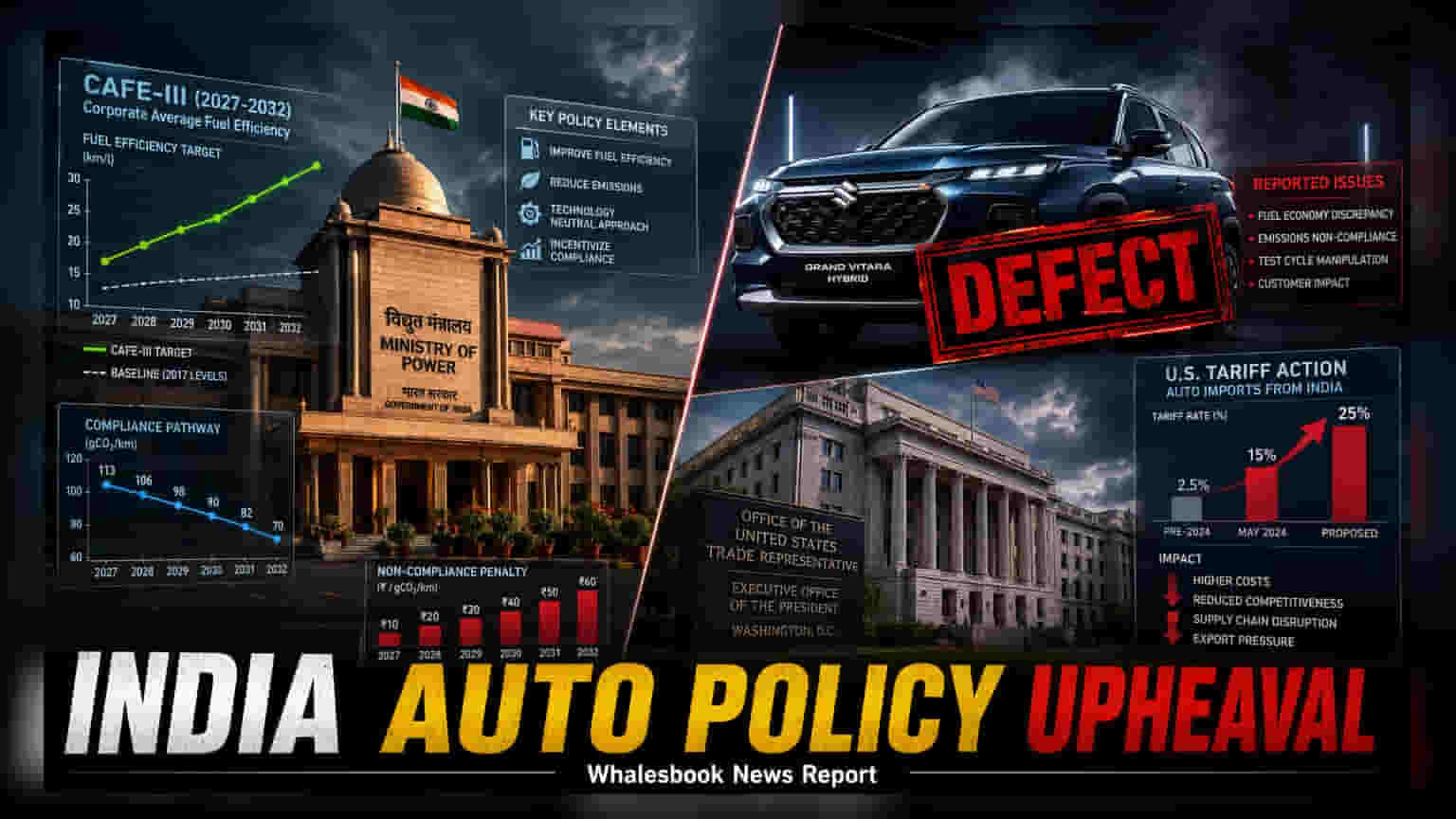
A Chhattisgarh consumer court has ordered Maruti Suzuki to replace a defective Grand Vitara hybrid or refund ₹20.5 lakh. The ruling follows 16 months of unresolved engine issues reported by a customer. This order highlights potential service and quality challenges for the automaker as it expands its hybrid vehicle portfolio in India.
A district consumer disputes redressal commission in Chhattisgarh has issued a ruling against Maruti Suzuki India Ltd. regarding a customer complaint about a Grand Vitara Strong Hybrid SUV. The commission found that the vehicle suffered from persistent engine issues that could not be rectified despite multiple service attempts over a 16-month period. Under the court's direction, the company must now provide a new vehicle compatible with E20 fuel. If the company fails to replace the unit within 45 days, it is required to refund the full purchase price of ₹20.5 lakh to the customer.
Implications for Service and Quality Standards
While Maruti Suzuki is known for its extensive service network, this ruling brings attention to the challenges of maintaining more complex powertrain technologies. The Grand Vitara Strong Hybrid represents the company's move toward higher-value, electrified products. For investors, the ability of the company to ensure quality control and timely service for these advanced models is a monitorable factor, especially as the brand attempts to increase its market share in the premium SUV segment. Any persistent or recurring technical issues could potentially impact brand reputation and increase warranty-related costs.
Broader Regulatory Context in the Auto Sector
Beyond this individual case, the automotive industry is preparing for major regulatory shifts. The Ministry of Power has released draft CAFE-III (Corporate Average Fuel Efficiency) norms, which are expected to take effect from April 2027. These draft regulations introduce stricter fuel efficiency requirements but also provide recognition for ethanol and other biofuels. This policy framework is designed to push manufacturers toward cleaner fuel technology. As the company navigates these incoming standards, investors may track whether such regulations lead to higher development costs or necessitate further changes to engine designs across their product lineup. The official deadline for public comments on these draft norms is August 6, 2026. The company’s ability to align its manufacturing capacity and R&D spending with these upcoming efficiency targets will be important for maintaining its competitive edge in the domestic market.