

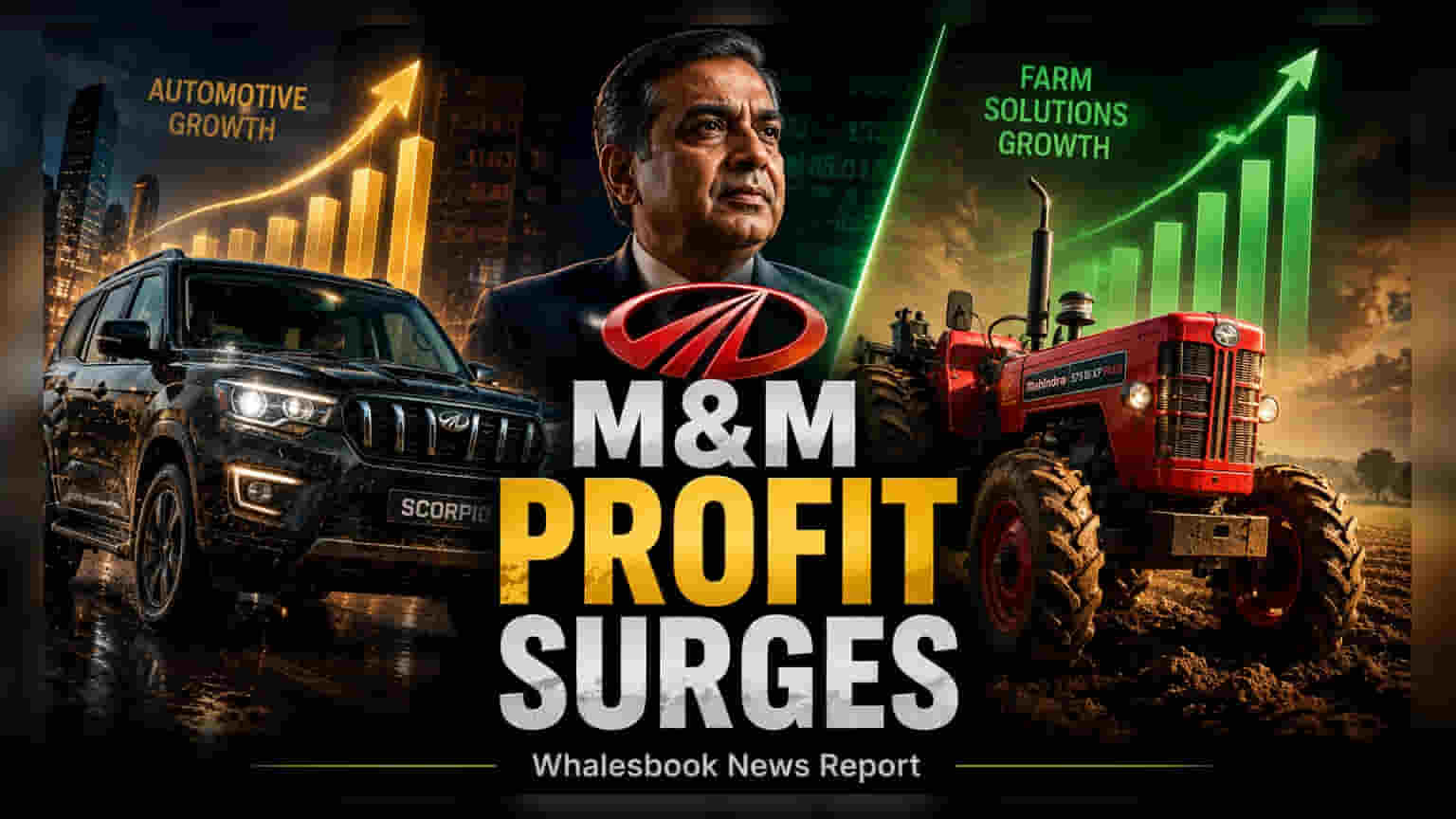
Mahindra & Mahindra reported a 6.8% increase in standalone quarterly profit to ₹3,685 crore, supported by strong SUV sales and steady tractor demand. Revenue grew 23% to ₹41,920 crore as the company successfully managed rising input costs through strategic price hikes.
Mahindra & Mahindra (M&M) has reported a 6.8% increase in its standalone profit for the quarter ending June 30, reaching ₹3,685 crore. The company saw a significant rise in its top-line performance, with quarterly revenue climbing 23% to ₹41,920 crore, reflecting robust demand across its primary business segments.
SUV Portfolio Drives Revenue Growth
The company's focus on its sport-utility vehicle (SUV) segment, specifically models like the Scorpio and Thar, has been a central driver of its recent financial performance. By shifting away from entry-level passenger cars to concentrate on higher-value SUVs, M&M has successfully aligned its product mix with current consumer preferences. To maintain profitability in the face of rising costs for raw materials like steel and rubber, the company implemented price increases in April across its SUV and commercial vehicle ranges. This strategy allowed the company to protect its margins while sustaining high sales volumes.
Tractor Segment Performance
The farm equipment division also contributed significantly to the quarterly figures, with revenue from this segment rising to ₹10,947 crore compared to ₹9,186 crore in the same quarter last year. The tractor business has historically been a key contributor to M&M’s overall profitability. Recent growth in this segment has been helped by sustained demand within the agriculture sector, which has been supported by various government schemes and tax-related initiatives introduced in recent months.
Competitive and Market Context
In the broader automotive landscape, M&M’s strategy of price adjustments mirrors moves by other major manufacturers like Tata Motors and Hyundai Motor India, who have also looked to pass on rising input costs to consumers. While demand for SUVs has remained resilient, the automotive sector continues to monitor the impact of interest rates and fuel prices on vehicle purchasing power. For M&M, maintaining this momentum will likely depend on the consistent delivery of its SUV order book and the seasonal performance of its tractor sales, which are sensitive to monsoon patterns and rural income levels. Investors may continue to track how the company balances its capital spending on new product launches and electric vehicle development while managing ongoing inflationary pressure on manufacturing costs.