

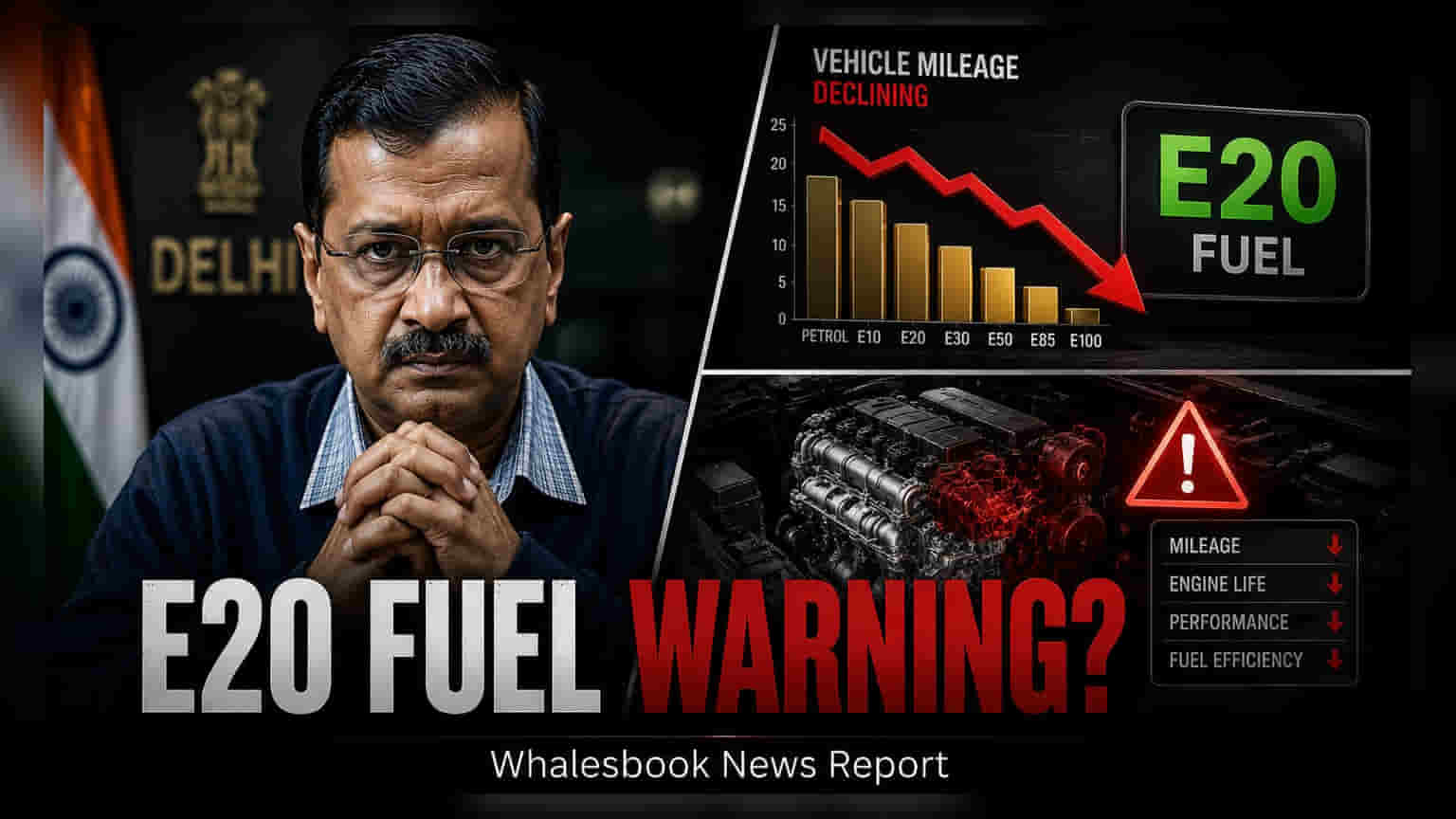
Delhi CM Arvind Kejriwal alleges that automobile makers face pressure from the Centre to remain silent on E20 fuel risks for pre-2023 cars. He claims these vehicles may suffer engine damage and reduced mileage, potentially impacting millions of consumers.
Delhi Chief Minister Arvind Kejriwal has raised serious questions regarding the compatibility of E20 fuel—petrol blended with 20% ethanol—with vehicles manufactured before 2023. In a recent statement, Kejriwal alleged that automobile manufacturers are under pressure from the central government to withhold information about potential risks to older engines.
Concerns Over Engine Compatibility and Performance
Kejriwal claimed to have reached out to 29 automobile manufacturers, seeking written confirmation on whether E20 fuel is safe for older petrol vehicles. He specifically asked if these companies would take responsibility for repair costs or compensate owners for any drop in fuel efficiency. According to the Delhi Chief Minister, he has not received any written responses to these inquiries. He further reported that representatives from nine companies verbally admitted that E20 fuel could negatively affect engine components and overall mileage, but these firms are reportedly unwilling to provide such statements in writing due to fear of public backlash and compensation claims.
Potential Impact on Millions of Vehicle Owners
The core of the concern lies in the potential impact on a vast number of vehicles currently on Indian roads. Kejriwal estimates that approximately 300 million vehicles manufactured before 2023, comprising roughly 220 million two-wheelers and 80 million four-wheelers, could be at risk if the fuel blend is not fully compatible with their existing fuel systems. The shift toward higher ethanol blending is part of the government’s broader strategy to reduce crude oil imports and support the agricultural sector. However, this transition has raised technical questions regarding material compatibility, such as the potential for ethanol to corrode rubber hoses, gaskets, and other fuel system components in older engine designs not specifically engineered to handle higher alcohol content.
Economic and Practical Questions
Beyond technical compatibility, Kejriwal questioned the economic logic of the E20 mandate. He argued that ethanol, in terms of energy content, may provide lower mileage compared to pure petrol, which could offset cost advantages for the average consumer. The government has previously stated that the E20 program is designed to reduce emissions and decrease India's reliance on imported petroleum. However, the lack of widespread public communication regarding long-term maintenance requirements for older vehicles has become a point of contention.
As the government pushes ahead with the nationwide rollout of E20 fuel, investors and consumers will be tracking how automobile companies communicate these compatibility requirements. The key monitorable for the automotive sector remains the pace at which manufacturers update their technical specifications for different engine models and whether they introduce specific service guidelines to mitigate the risk of premature wear and tear in pre-2023 vehicles.