

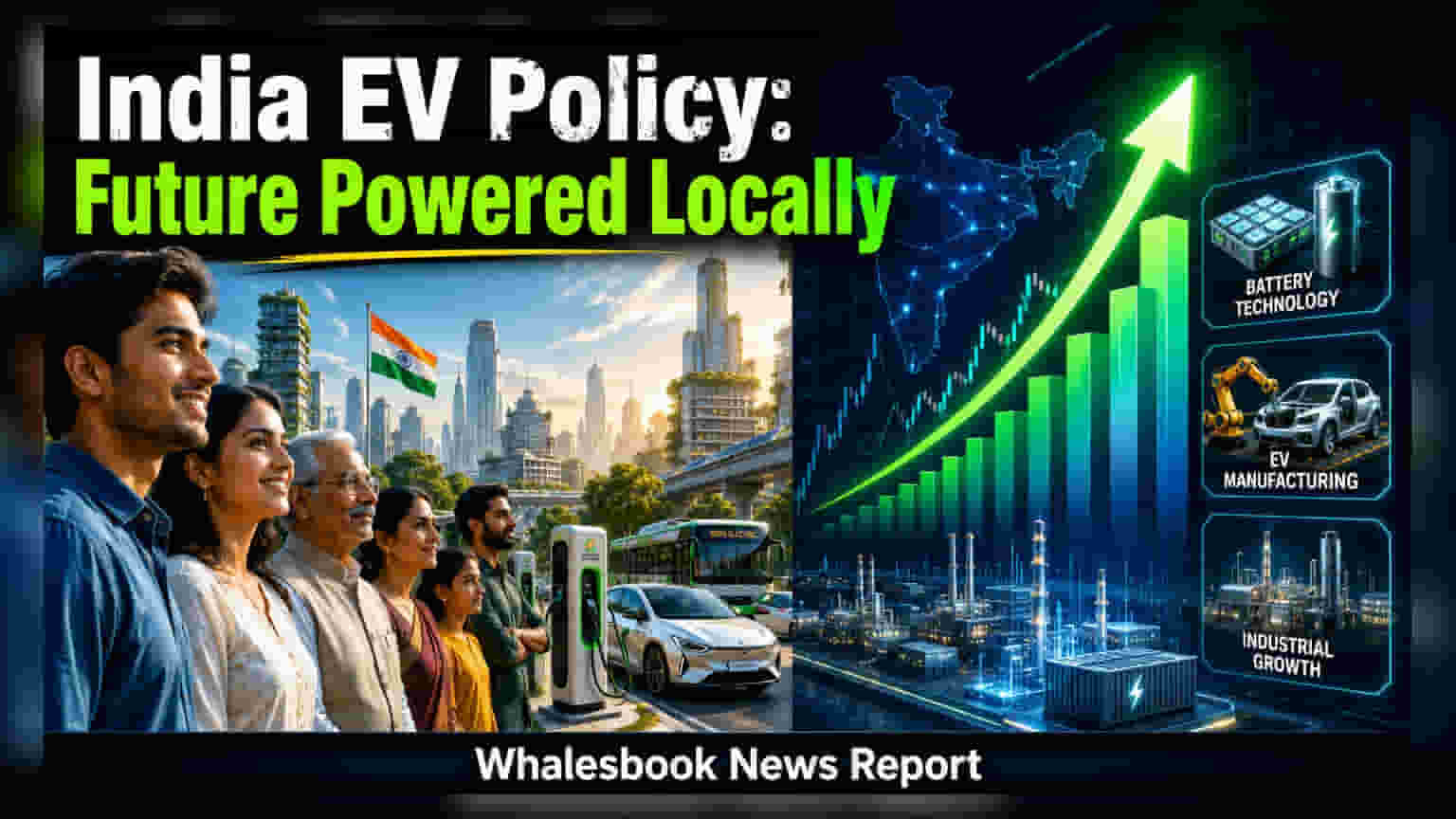
The Indian government is pivoting its electric vehicle strategy from simple purchase subsidies to long-term manufacturing support. With over ₹66,000 crore allocated across key PLI and FAME schemes, the focus is now on domestic component production and battery storage. This shift aims to build a self-reliant supply chain for the automotive sector.
Detailed Coverage
The central government has clarified its evolving strategy for electric vehicle (EV) adoption, moving away from a primary reliance on direct purchase incentives toward a more structural approach. According to Minister of State for Heavy Industries Bhupathiraju Srinivasa Varma, the current framework now balances demand-side support with significant supply-side investment designed to encourage the local manufacturing of critical components.
Budget Allocation Across Key Schemes
Public financial support for this transition is substantial, spread across multiple initiatives. The FAME-II scheme, which recently concluded, utilized an outlay of ₹11,500 crore, while the successor PM E-DRIVE scheme has been introduced with a budget of ₹10,900 crore. These programs are specifically intended to drive market adoption and infrastructure development for cleaner transport options.
On the manufacturing side, the government is directing large funds to ensure that India does not remain purely a consumer market. The Production Linked Incentive (PLI) scheme for automobiles and auto components has been allocated ₹25,938 crore, while the specialized PLI scheme for Advanced Chemistry Cell (ACC) battery storage has a budget of ₹18,100 crore. These funds are designed to lower the cost of manufacturing and attract investment into high-tech EV supply chains.
Structural Reforms and Local Value Addition
To ensure that these funds translate into real domestic growth, the government has implemented strict requirements. The PLI schemes require participants to meet Domestic Value Addition (DVA) targets and adopt advanced technologies. This is complemented by the Phased Manufacturing Programme (PMP), which acts as a roadmap for companies to transition from importing parts to manufacturing them within India over several years.
This strategy is intended to address the long-term viability of the EV sector by reducing dependence on imported components, such as batteries and motors. While the government is actively promoting the transition, it has notably avoided setting a rigid, specific target for the total number of electric vehicles on Indian roads by 2047, focusing instead on building the necessary industrial infrastructure.
For investors, the key monitorable will be how effectively domestic auto component manufacturers and battery makers utilize these incentives. The success of these policies depends on the ability of private companies to scale their manufacturing capacity while meeting the quality and local content mandates required to access the government grants. Future updates to track include the progress of battery plant commissioning and the gradual increase in local content across various EV models in the Indian market.