 Whalesbook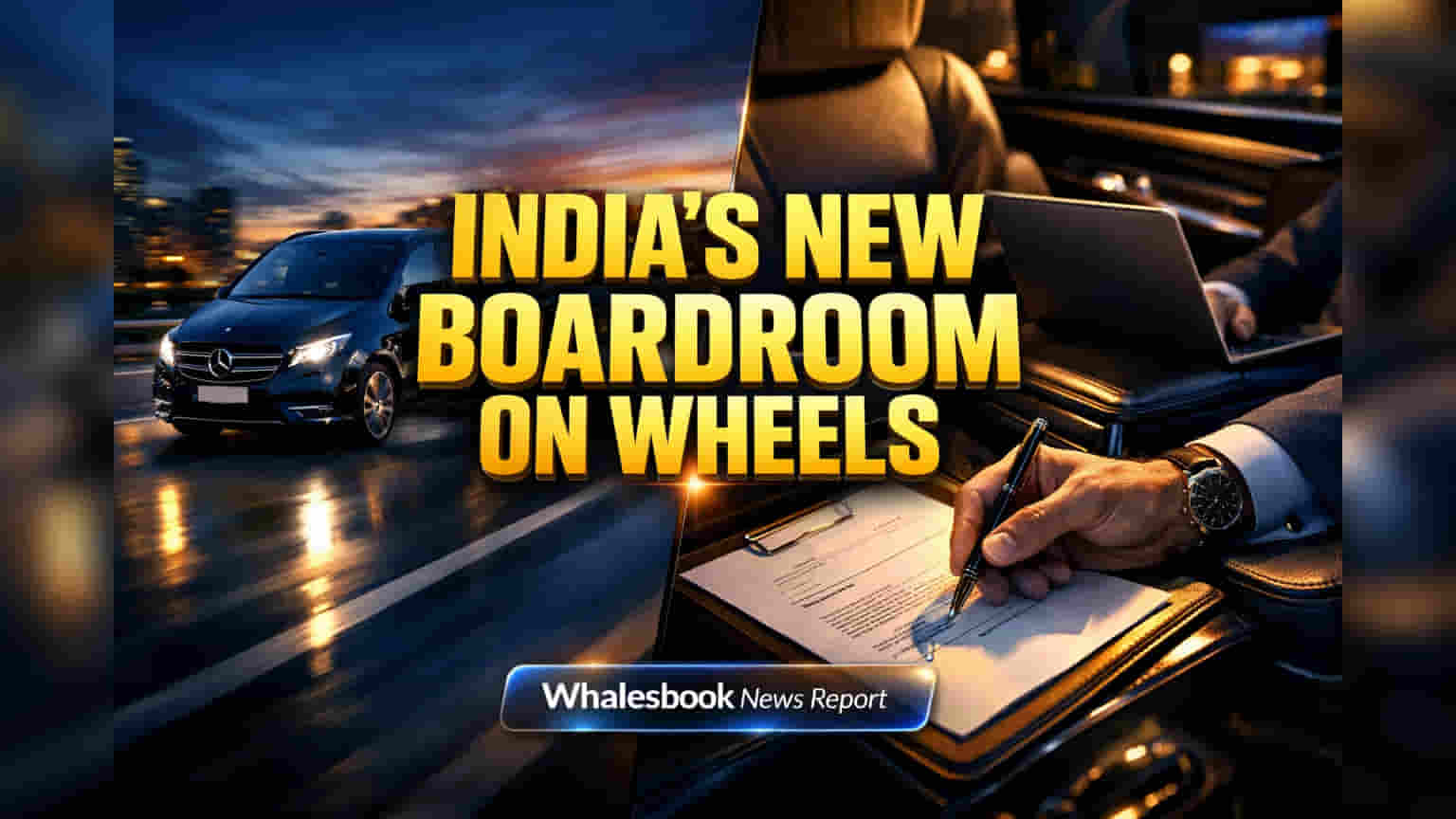


India's Elite Choose MPVs Over SUVs for Mobile Offices
The move to luxury MPVs in India isn't just about preference; it's a smart way for top business leaders to make the most of their limited time. These vehicles are becoming mobile offices and private spaces, changing the idea of automotive status for executives.
MPV Cabins: The New Executive Suites
The most luxurious vehicles in India are now defined by their cabin's practical features, not just styling or power. Models like the Toyota Vellfire, Lexus LM, and Mercedes-Benz V-Class are built around rear passengers, turning travel time into productive or relaxing periods. Features such as executive seats with massage, work tables, entertainment systems, and privacy screens are standard. This design meets the need for privacy and efficiency, allowing important business talks or planning to happen smoothly between meetings. The cabin is designed for quiet and comfort, a stark contrast to the chaos of India's busy cities.
Traffic Jams Drive MPV Demand
India's difficult city traffic is a main reason behind the rise of luxury MPVs. Commutes that can take hours in cities like Mumbai and Gurgaon are no longer wasted. Instead, this time is now used for important professional work. For founders closing major deals or executives planning market entries, being able to do business from a private, comfortable cabin provides a real edge. This practical shift in a vehicle's purpose focuses on usefulness and saving time, rather than showing off wealth. This idea is increasingly shared by today's entrepreneurs and wealthy individuals.
Luxury MPV Market Heats Up
The luxury MPV market, once small, is now growing strongly. The Toyota Vellfire led the way and is now joined by the ultra-premium Lexus LM, costing up to ₹2.70 crore. Mercedes-Benz has returned with its locally made V-Class, priced around ₹1.40 crore, using manufacturing savings to compete with imported models. Below the ₹1 crore price range, vehicles like the Kia Carnival, with top versions around ₹59.42 lakh, offer premium MPV features to more affluent buyers. Even electric MPVs, like the BYD e6 starting around ₹29.15 lakh, show future possibilities, though they serve different buyers today.
Risks for Luxury MPVs
Despite growing popularity, high-end MPVs face significant challenges. The high cost of models like the Lexus LM, V-Class, and Vellfire makes them sensitive to economic slowdowns or changes in investor views on car companies. For example, while Toyota Motor Corporation has strong year-over-year stock gains of +25.97%, Mercedes-Benz Group's return is +1.99%. Kia Corp has a large market value of about $45 billion USD, but investor interest in car stocks can change rapidly due to supply chain issues and global events. The MPV's appeal also depends on traffic staying bad; better infrastructure could weaken the productivity argument. There's also a risk that the focus on cabin use might be temporary, especially as traditional luxury SUVs and sedans improve their own in-car technology.
The Future of Executive Travel
The luxury MPV market in India looks set for strong growth, driven by increasing demand for premium products and ongoing urbanization. Carmakers will likely keep investing in advanced cabin tech, connectivity, and custom options for wealthy customers. The growing interest in electric MPVs, shown by BYD and expected from other luxury brands, points to a future of eco-friendly, high-tech executive travel. The need for private, productive travel spaces should keep MPVs important for Indian business leaders, possibly shaping car designs more widely.