

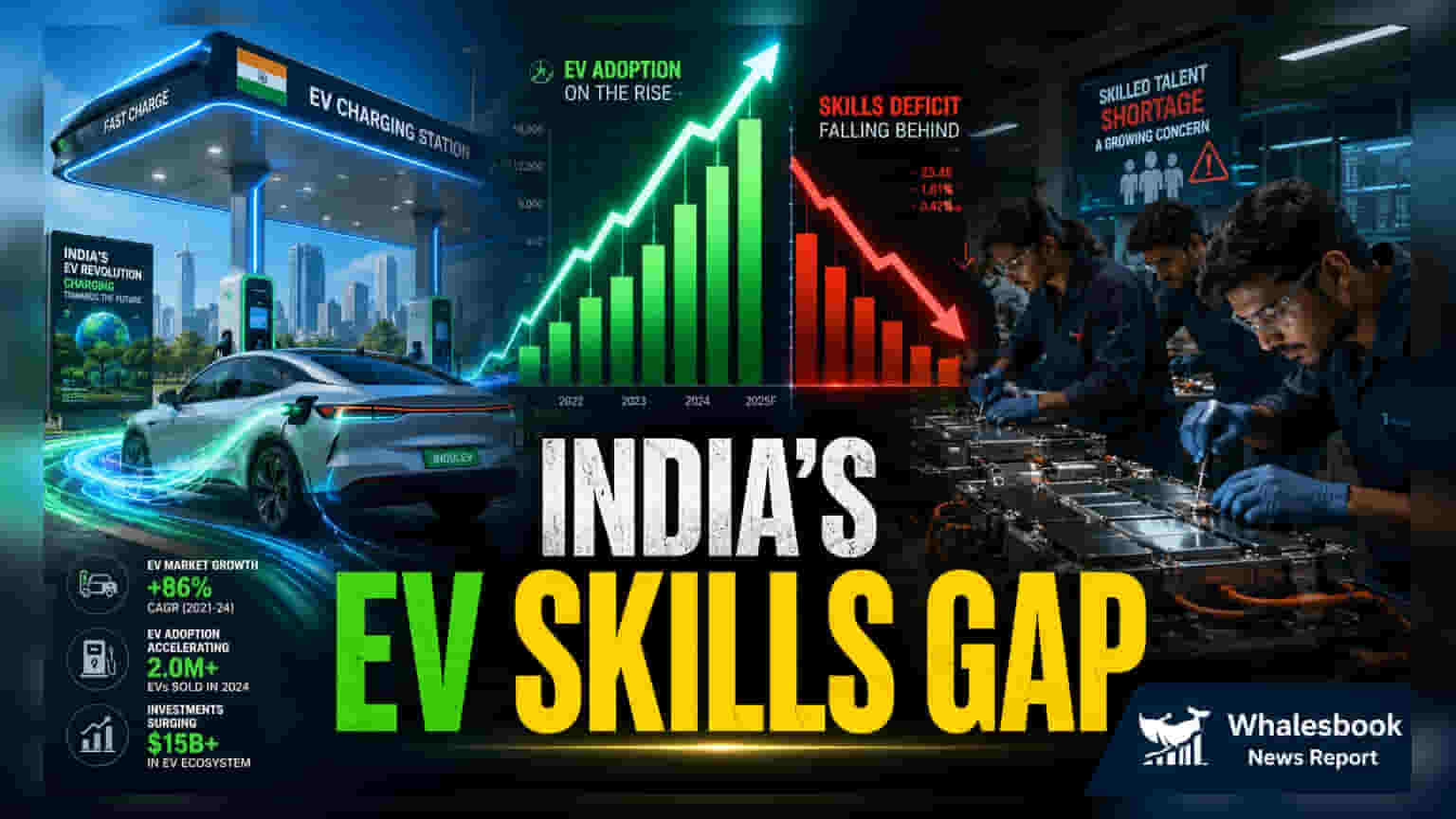
India’s electric vehicle industry needs up to 200,000 trained professionals by 2030, according to recent industry estimates. This talent gap threatens to slow down the growth of charging infrastructure and battery manufacturing. Bridging this requirement could demand investments exceeding ₹13,500 crore in training and hiring to meet national electrification targets.
The rapid shift toward electric vehicles in India is hitting a significant human resource hurdle. While automakers and charging infrastructure firms are expanding operations, a lack of specialized talent could hinder the pace of the country’s electric mobility transition. Industry estimates suggest that the sector will need between 100,000 and 200,000 skilled professionals by 2030 to support the infrastructure and technology required to meet the government's 30% electric vehicle adoption goal.
Specialized Skill Requirements
The transition to electric mobility involves more than just assembling vehicles; it requires a deep shift in technical expertise. Professionals proficient in mechanical engineering alone are no longer sufficient. Companies now report an urgent need for specialists in battery pack design, high-voltage systems, power electronics, motor design, and embedded software. Additionally, as vehicles become increasingly connected, roles related to cybersecurity, data analytics, and artificial intelligence are becoming essential for automotive manufacturers.
Infrastructure and Manufacturing Needs
The challenge is particularly acute in the charging network space. The number of public charging stations has grown significantly, rising from a negligible 25 in 2015 to nearly 30,000 today. Maintaining these stations and ensuring their operational reliability requires a steady stream of technicians and service personnel. Beyond infrastructure, the manufacturing side of the value chain—specifically battery production—faces similar constraints. The high cost of training personnel for these specialized areas is a major capital consideration, with industry estimates suggesting that meeting these workforce needs could require investments of roughly ₹13,552 crore.
Bridging the Employability Gap
Industry leaders emphasize that the issue is not just the number of available workers, but their specific employability. Academic institutions often lag behind the rapid pace of technological change in the EV sector, leading to a mismatch between traditional engineering curricula and the hands-on requirements of battery and power electronics maintenance. To address this, many firms are turning to apprenticeship models. Data indicates a strong commitment to this path, with the EV and mobility sector reporting a high Net Apprenticeship Outlook of 75%. These programs are favored by companies as they help reduce long-term hiring costs, improve worker retention, and provide the practical experience that graduates often lack.
The future growth of companies across the electric vehicle value chain will depend heavily on their ability to cultivate this talent pipeline. Investors may look for companies that are actively partnering with academic institutions or investing in internal training programs, as these entities are likely to be better equipped to handle the rising complexity of EV manufacturing and maintenance. The ability of the industry to scale its workforce will be a primary indicator of whether India can meet its long-term electrification timelines without facing delays in infrastructure deployment or production quality.