 Whalesbook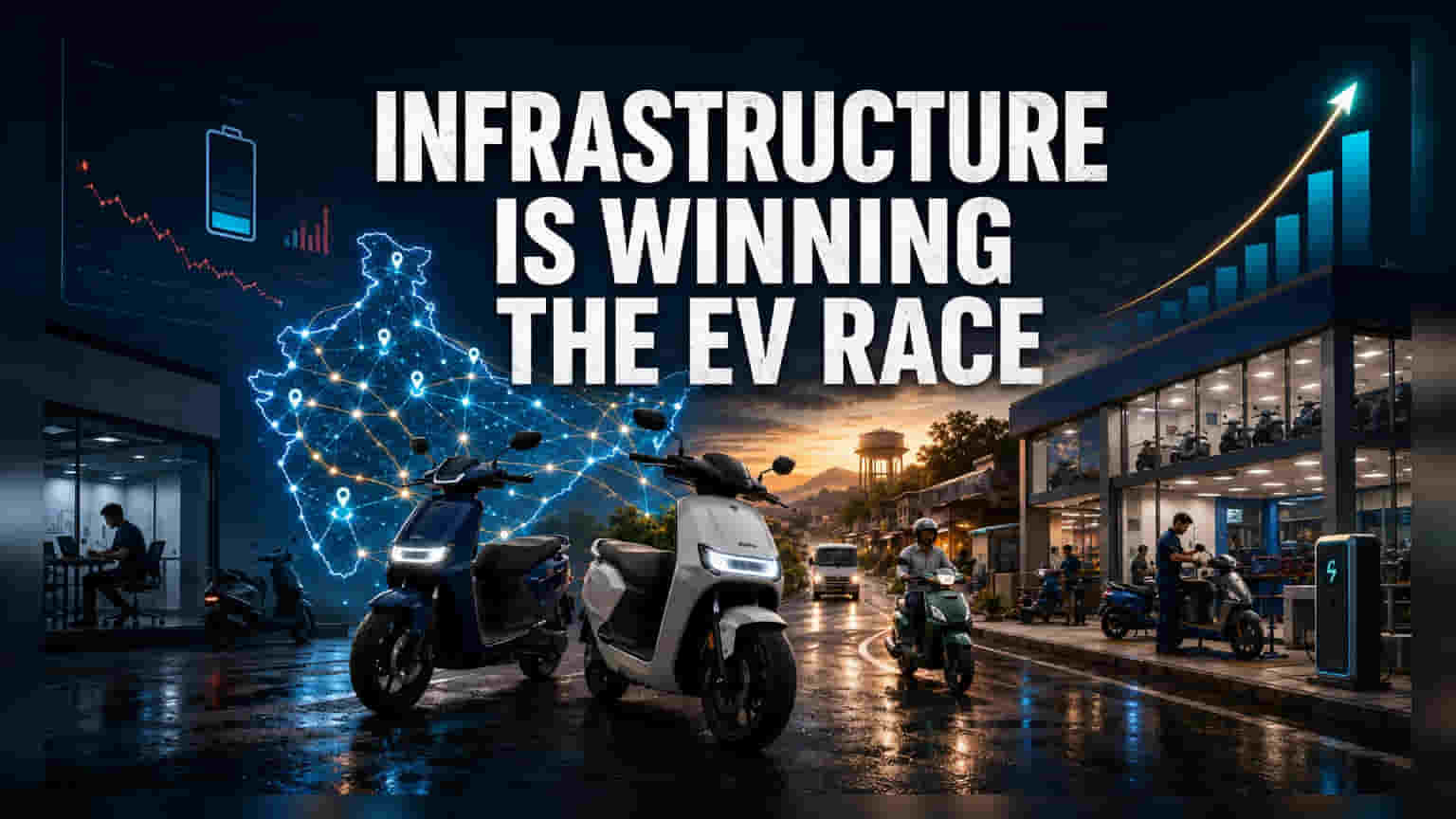


The Infrastructure Advantage
The narrative surrounding India’s electric vehicle trajectory has undergone a sharp correction. Where the conversation previously centered on software ecosystems, battery management efficiencies, and digital dashboards, the current reality favors physical reach. As the market expands beyond Tier-1 metros into smaller, more price-sensitive regions, the high-tech value proposition offered by startups is proving less critical than the physical logistics of legacy manufacturers. Major incumbents are leveraging decades-old supply chains and localized service networks to capture a demographic that prioritizes proximity over feature sets. This transition effectively neutralizes the early-mover advantage that pure-play EV companies held during the initial adoption phase.
The Capitalization Gap
Financial data reveals a widening disparity between the operational models of market incumbents and specialized EV startups. While early market leaders continue to commit heavy capital toward research and development, established players like TVS Motor Company and Bajaj Auto are utilizing their massive cash flows from internal combustion engine portfolios to subsidize the rollout of electric infrastructure. This capability provides a distinct buffer against the margin compression currently affecting the entire sector. With legacy manufacturers possessing thousands of existing touchpoints, the cost to scale into rural markets remains significantly lower for them compared to the burn-heavy expansion required by younger entrants. This structural advantage is increasingly evident in recent market share data, where traditional firms are successfully converting their existing scooter-loyal customer base to electric variants.
Risk Factors and Operational Hurdles
The transition to a mass-market model is not without structural vulnerability. The primary risk remains the sustainability of the current growth rate if government subsidies are further reduced or phased out. Additionally, these companies face the difficult task of managing a hybrid sales force that must maintain internal combustion engine inventories while simultaneously pushing electric alternatives. In contrast to global EV players who operate in more streamlined environments, Indian manufacturers are juggling the complexity of dual-fuel supply chains. There is also the persistent challenge of battery longevity in rural environments where power infrastructure is often volatile, potentially leading to higher-than-anticipated warranty costs that could degrade margins. Investors are closely watching how these firms balance high-volume demand with the rising costs of raw material volatility, particularly in the sourcing of lithium-ion cells.
Market Outlook and Competitive Positioning
Industry consensus suggests that the next phase of the industry will be defined by consolidation. Startups that lack a clear path to profitability through scale are increasingly viewed as acquisition targets for larger groups seeking to integrate proprietary technology into established distribution platforms. Moving forward, the battle for dominance will likely hinge on the efficiency of financing arms. Companies that can provide seamless, localized credit options will be the ultimate winners in the Tier-3 and Tier-4 segments, effectively locking in long-term customer loyalty.