

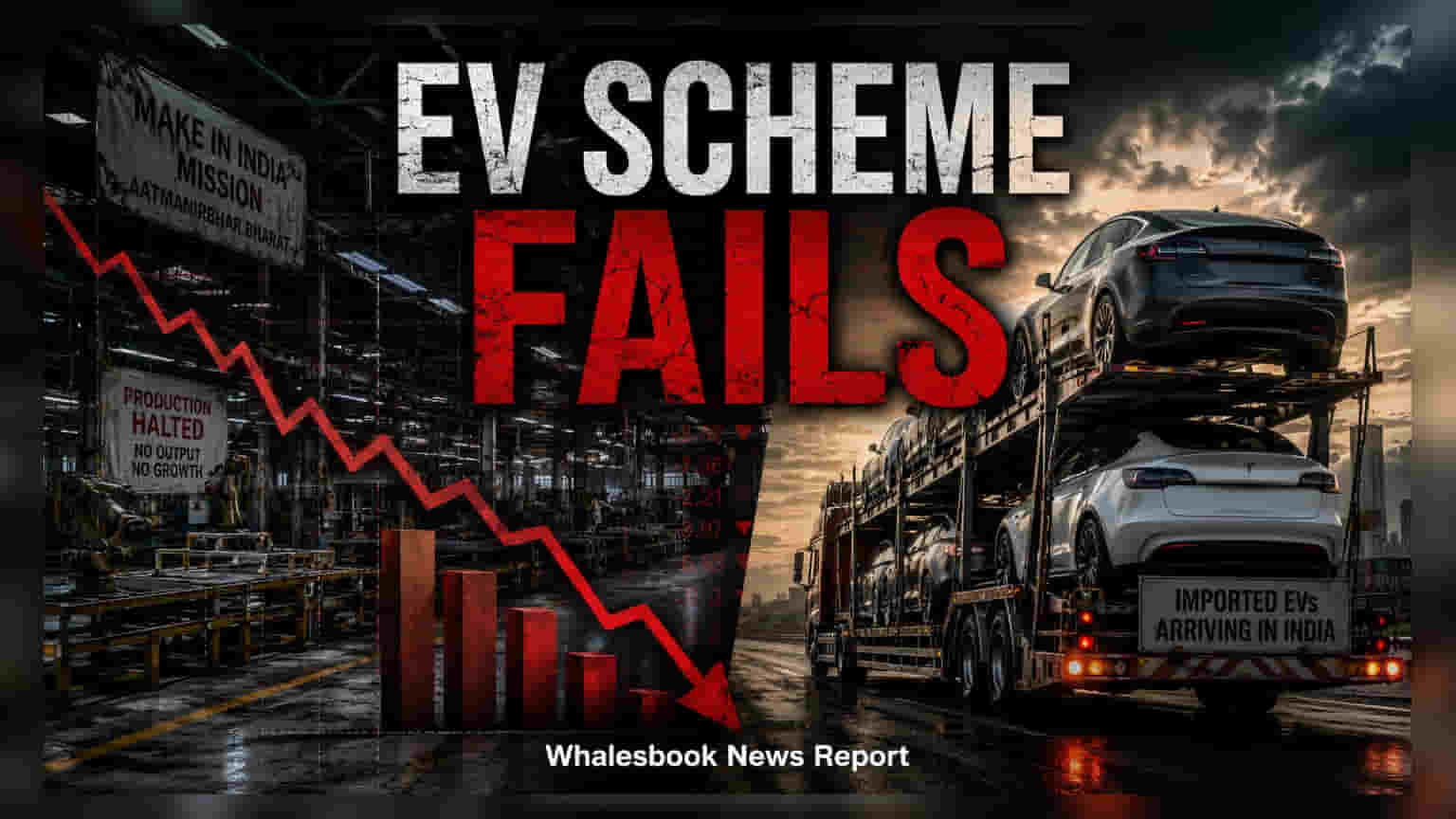
No global automaker has applied for India's electric vehicle incentive scheme launched in 2025. Instead, manufacturers are favoring import routes made cheaper by new trade deals with the UK and EU. For investors, this signals increased future competition for domestic car brands as high import barriers slowly lower.
The Indian government’s 'Scheme to Promote Manufacturing of Electric Passenger Cars in India' (SPMEPCI), launched in June 2025, has failed to attract any applicants from global automakers as of August 2026. While the program was designed to encourage foreign companies to set up local production facilities by offering incentives, the response from the automotive industry has been nonexistent.
Why Global Automakers Are Hesitant
The lack of interest is primarily linked to the changing landscape of international trade. Rather than investing heavily in local manufacturing plants, global carmakers appear to be waiting for the benefits of recently signed trade agreements. The India-UK Comprehensive Economic and Trade Agreement (CETA), which came into force in July 2026, and the India-EU Free Trade Agreement concluded earlier this year, provide a structured path for reducing import duties on automobiles.
For many global manufacturers, these trade deals offer a more flexible entry point into the Indian market. By importing vehicles at lower tax rates, companies can test consumer demand without the massive upfront capital spending required to build a local factory. This strategy essentially bypasses the need for the SPMEPCI, which requires significant long-term investment commitments to qualify for its benefits.
Impact on Domestic Players
This shift creates a new dynamic for major Indian automotive players such as Tata Motors and Mahindra & Mahindra. For years, domestic manufacturers have benefited from high import duties, which shielded them from direct competition with expensive global brands. As tariffs on imported vehicles begin to fall under these trade pacts, the competitive environment is expected to intensify, particularly in the premium and luxury EV segments.
If global brands can bring in higher-end electric vehicles at lower prices, it may pressure the profit margins of domestic companies that are currently expanding their own premium EV lineups. Investors are watching to see if domestic manufacturers can maintain their market share or if they will need to accelerate their product development to compete with the expected influx of international models.
What Lies Ahead for Policy
The absence of takers for the current manufacturing scheme may force the government to rethink its strategy. Policy makers may consider either softening the investment requirements of the SPMEPCI or introducing different types of support to make local production more attractive compared to simply importing cars. For investors, the key monitorable is whether the government modifies the scheme to regain the interest of global manufacturers or if the focus shifts entirely to managing the competitive impact of the trade agreements. The timeline for when these lower tariffs will significantly impact vehicle pricing on the ground remains a critical factor for the automotive sector.