 Whalesbook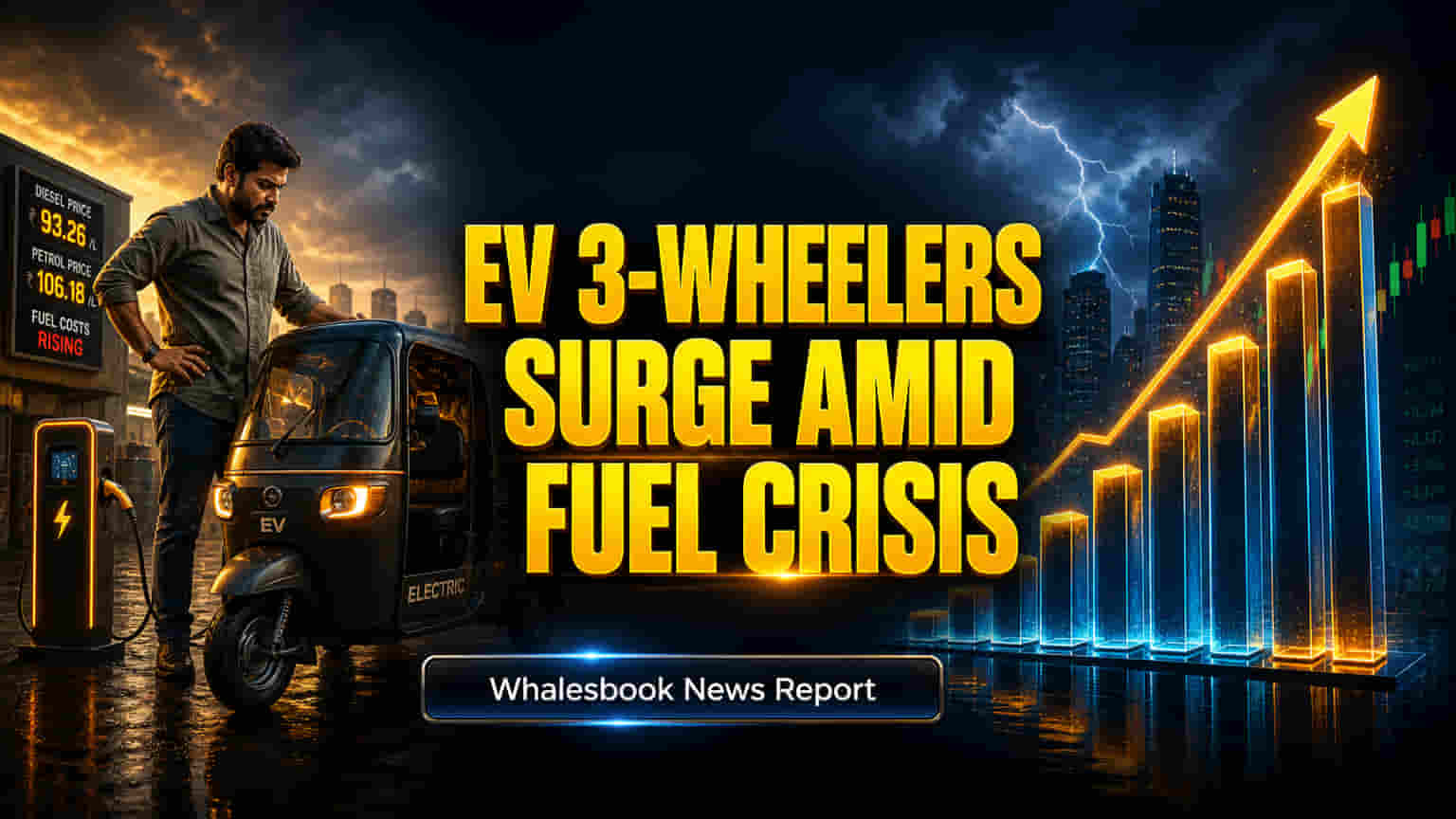


L5 Vehicles Drive Growth, Big Players Lead
April's electric three-wheeler (E3W) sales show a clear move towards the L5 segment, which grew by almost 4% to 25,307 units. The L3 category saw a 1% drop. This shows a strategic shift to more capable vehicles as fleet operators worry about rising petrol, diesel, and CNG costs. With petrol prices around ₹94-₹107 per litre and CNG also high in April 2026, the E3W's low operating cost of about ₹1.4 per kilometre is very appealing for delivery services. Major companies—Mahindra Last Mile Mobility, Bajaj Auto, and TVS Motor—now control nearly 88% of the L5 market, showing strong consolidation. Mahindra Last Mile Mobility is a leader in L5, with over 90% of its L5 sales being electric. These companies benefit from wide service networks and easier financing, which are key in this price-conscious market.
Smaller Firms Face Intense Pressure
Smaller manufacturers are facing major challenges. Companies like Omega Seiki Mobility (OSM) have reported sharp drops in sales, highlighting the tough market where scale and distribution are crucial for survival. The shift to more expensive L5 vehicles, which need bigger investments in research, development, and manufacturing, makes this gap even wider. Although some smaller makers like OSM are trying new ideas like battery swapping, competing with established giants on price, distribution, and financing is a major hurdle.
High Investment Needed to Grow
The rapid growth of the Indian EV market, aiming for 30% penetration by 2030, and the move towards L5 cargo vehicles require large capital investments. Mahindra & Mahindra is investing heavily in its EV division. Bajaj Auto is using modular designs and R&D to cut costs, aiming to break even on EVs by mid-to-late FY2026. TVS Motor is also increasing spending on its electric vehicle business. These high capital needs create a significant barrier for smaller companies, helping the larger players strengthen their position.
Ongoing Challenges Remain
Despite positive trends, ongoing structural issues hinder the E3W segment, especially for smaller companies. Financing is a major obstacle, as many last-mile delivery drivers lack formal credit histories, making it hard to get loans for EVs. While fleet operators and leasing companies are helping, the high initial cost of EVs (₹2.5-₹3.5 lakh for cargo E3Ws) requires significant financial support that smaller makers often can't offer customers. Charging infrastructure is also inconsistent; it's better in big cities but lags in smaller towns and rural areas. This can cause operational problems and 'range anxiety,' affecting how much vehicles can be used. The shift to L5 vehicles means longer payback times for operators, which can slow adoption without proper financing. The shrinking market share of smaller companies also points to growing market concentration, potentially limiting choices and innovation if only a few big players control the market.
Outlook for Established Players
Analysts are cautiously optimistic about the leading companies. Mahindra & Mahindra, with its strong EV plans and SUV market strength, receives 'Strong Buy' ratings. Bajaj Auto's focus on cutting costs and developing hybrid platforms helps it manage the EV shift, with plans for EV profitability by mid-to-late FY2026. TVS Motor's push into new EV models and exports also signals future growth. The E3W market is expected to keep growing, driven by L5 models, with EVs potentially reaching 60% of the L5 segment by 2030. However, achieving this growth depends on solving financing and infrastructure issues, which will likely continue to benefit established companies with more capital and larger operations.