

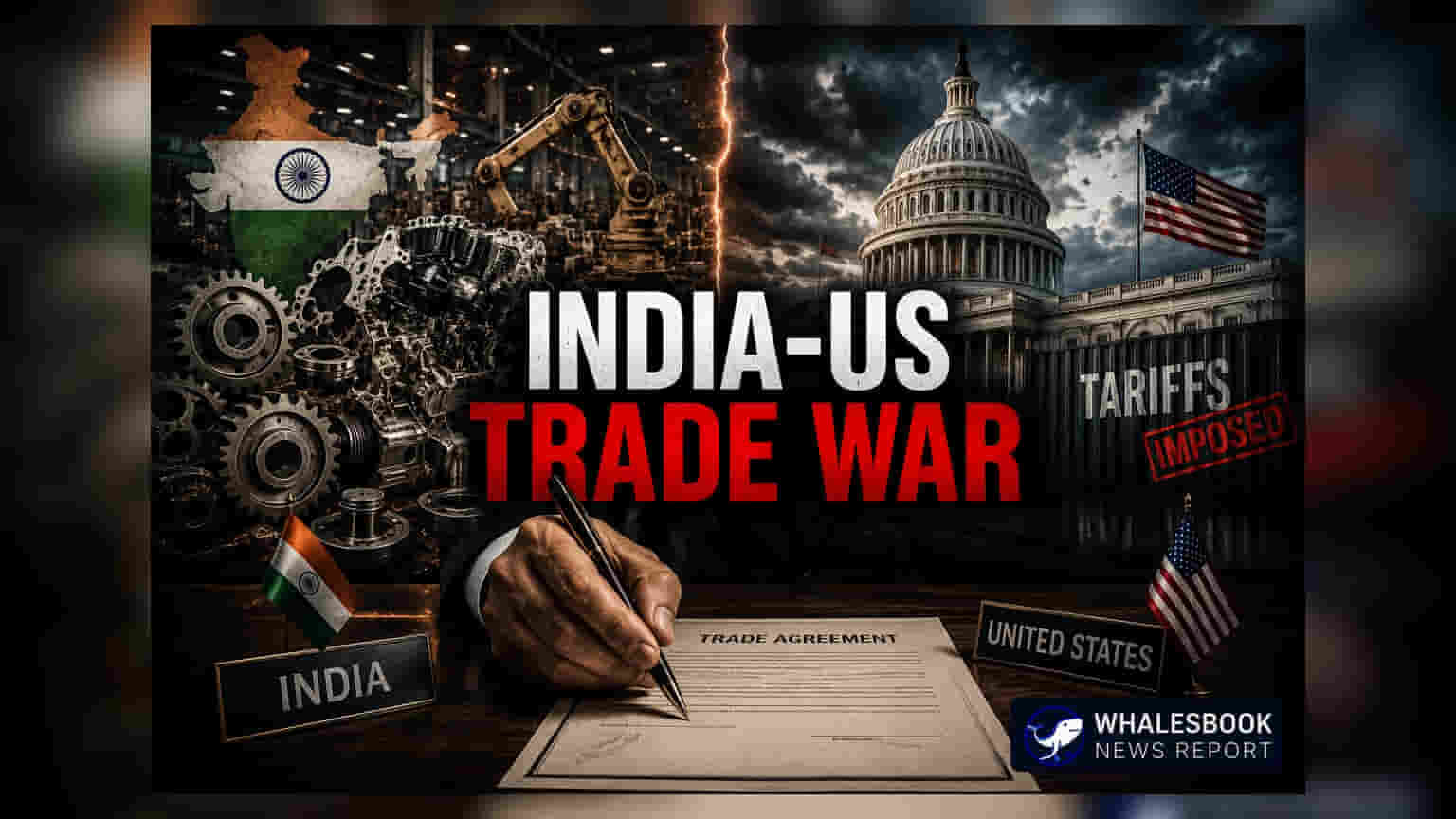
The US is scrutinizing Indian auto component imports over labor and subsidy concerns. This matters as the US accounts for 26% of India's total auto parts exports, creating potential uncertainty for manufacturers despite stable shipment volumes.
The Automotive Component Manufacturers Association of India, known as ACMA, is currently in discussions with government officials to address trade concerns raised by the United States. US authorities have initiated an investigation into auto parts imported from India, focusing specifically on labor standards and claims that government subsidies are driving excessive production capacity.
Importance of the US Export Market
For the Indian auto components industry, the United States is a significant trade partner. During the 2026 fiscal year, India exported approximately $24 billion worth of auto parts, with the US market accounting for 26% of that total. Any shift in tariff structures or trade policies could have a direct impact on the revenue and profit margins of major Indian exporters who depend heavily on this region for growth.
Industry Response to Labor and Subsidy Claims
Representatives from ACMA have officially refuted the allegations presented during US trade hearings. Regarding labor practices, the industry maintains that it adheres to national labor laws and recently implemented labor codes. ACMA highlighted that the technical nature of auto component manufacturing necessitates a skilled workforce, further distancing the industry from accusations of child labor or unfair labor treatment.
On the issue of production capacity, the industry has argued against the claim that subsidies are fueling an unfair advantage. According to ACMA, most manufacturers do not receive direct government support, with only a small number of firms participating in the Production Linked Incentive scheme. Industry leaders have pointed out that continued investments in new capacity suggest that companies are driven by genuine market demand rather than subsidy-induced overproduction.
Trade Impact and Future Outlook
Despite existing tariffs ranging between 12.5% and 25% on various components, Indian exporters have managed to keep shipment volumes to North America stable through the first quarter of the 2027 fiscal year. However, the ongoing investigation adds a layer of uncertainty for investors. The primary monitorable for the industry will be the outcome of bilateral trade negotiations between the Indian and US governments. Investors may track whether these discussions lead to any adjustments in trade terms, as any change in the tariff regime could affect the price competitiveness of Indian auto parts in the US market compared to global peers. The final impact on the sector will depend on the intensity of the investigation and the resulting trade policy decisions from the US administration.