

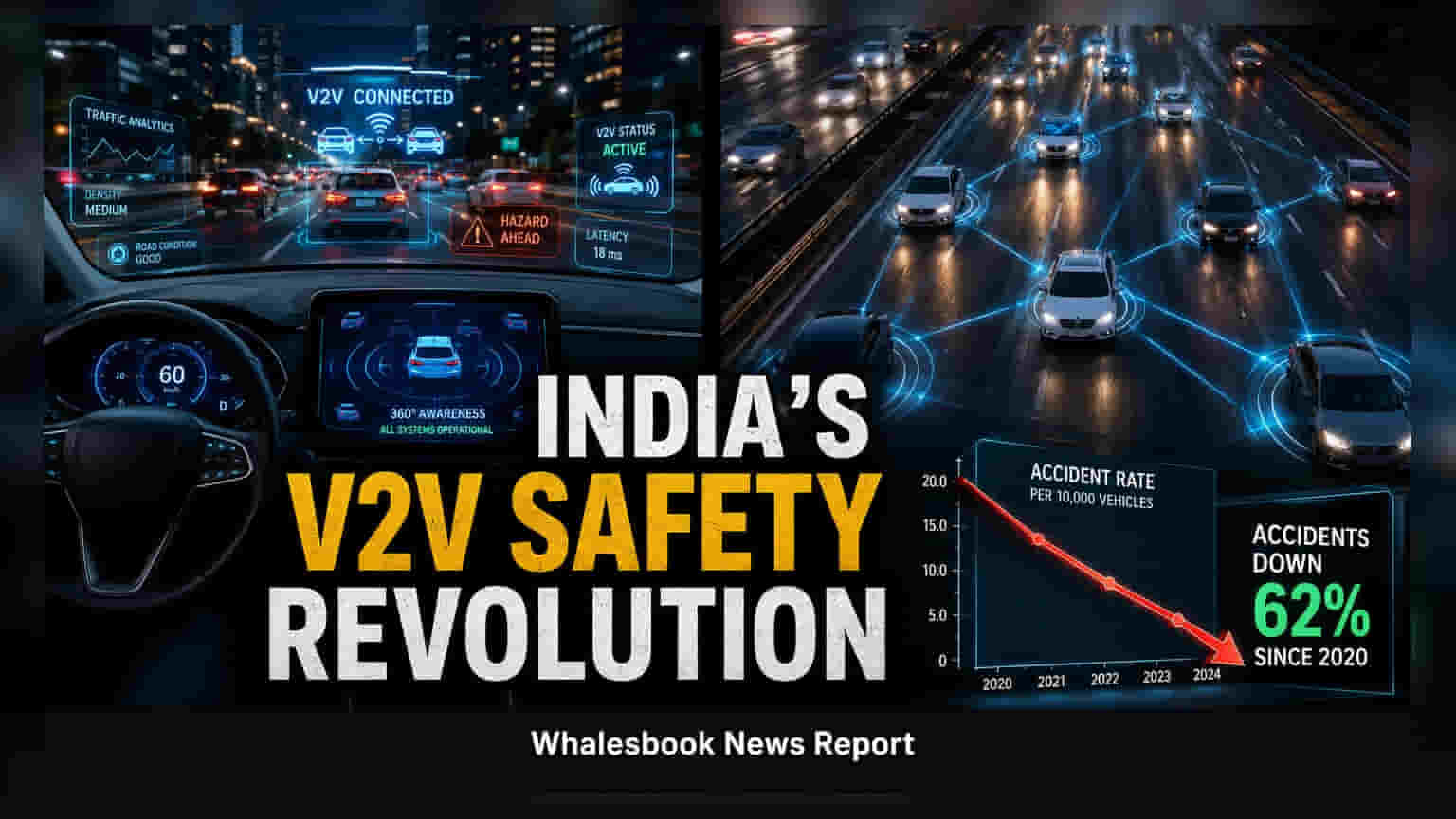
The Ministry of Road Transport and Highways has proposed mandatory vehicle-to-vehicle communication technology for new vehicles starting October 2028. This move aims to improve road safety by allowing cars to share real-time data to prevent accidents. Manufacturers must comply with the AIS-230 standard for all category L, M, and N vehicles.
The Ministry of Road Transport and Highways (MoRTH) has introduced draft amendments to the Central Motor Vehicles Rules to mandate vehicle-to-vehicle (V2V) communication technology. This policy aims to improve road safety by enabling vehicles to exchange real-time data, such as speed, position, and direction, directly with one another. Unlike traditional sensor-based safety systems that only detect obstacles in a driver's line of sight, V2V systems provide data beyond the direct view, creating a network of connected road safety features.
Implementation and Regulatory Timeline
The government has outlined a phased implementation plan to allow manufacturers time to integrate these systems. Starting October 1, 2027, vehicles already equipped with V2V systems must comply with the new AIS-230 standard. By October 1, 2028, the installation of these systems will become mandatory for all new vehicles in the L, M, and N categories. To support this, the Department of Telecommunications has already delicensed the 5.875 GHz to 5.925 GHz frequency band, specifically reserving it for these Intelligent Transportation System (ITS) applications.
Impact on Automotive Manufacturers and Technology
This regulatory shift is expected to change the design requirements for automotive companies, as vehicles will now need to be equipped with factory-installed On-Board Units that support Cellular Vehicle-to-Everything (C-V2X) technology. The AIS-230 standard sets the technical and security requirements for these units, focusing on safety features like emergency braking alerts, forward collision warnings, and detection of emergency vehicle proximity. For automakers, this will likely involve higher development costs related to hardware integration and software compatibility. Investors should monitor how major domestic and international manufacturers manage these compliance costs and whether they can pass these expenses on to consumers without hurting demand.
Broader Sector Context and Safety Goals
This mandate represents a significant step toward connected mobility and more advanced driver-assistance systems in India. While this technology is intended to lower the frequency of accidents, the long-term benefit for the industry will depend on how quickly infrastructure and other connected devices can support such a complex ecosystem. As the industry moves toward these standards, the next key updates to track include the final notification of these rules by MoRTH and any subsequent announcements regarding the integration of these systems into existing vehicle production lines, which may impact operational margins and capital allocation for automakers as they prepare for the 2028 deadline.