

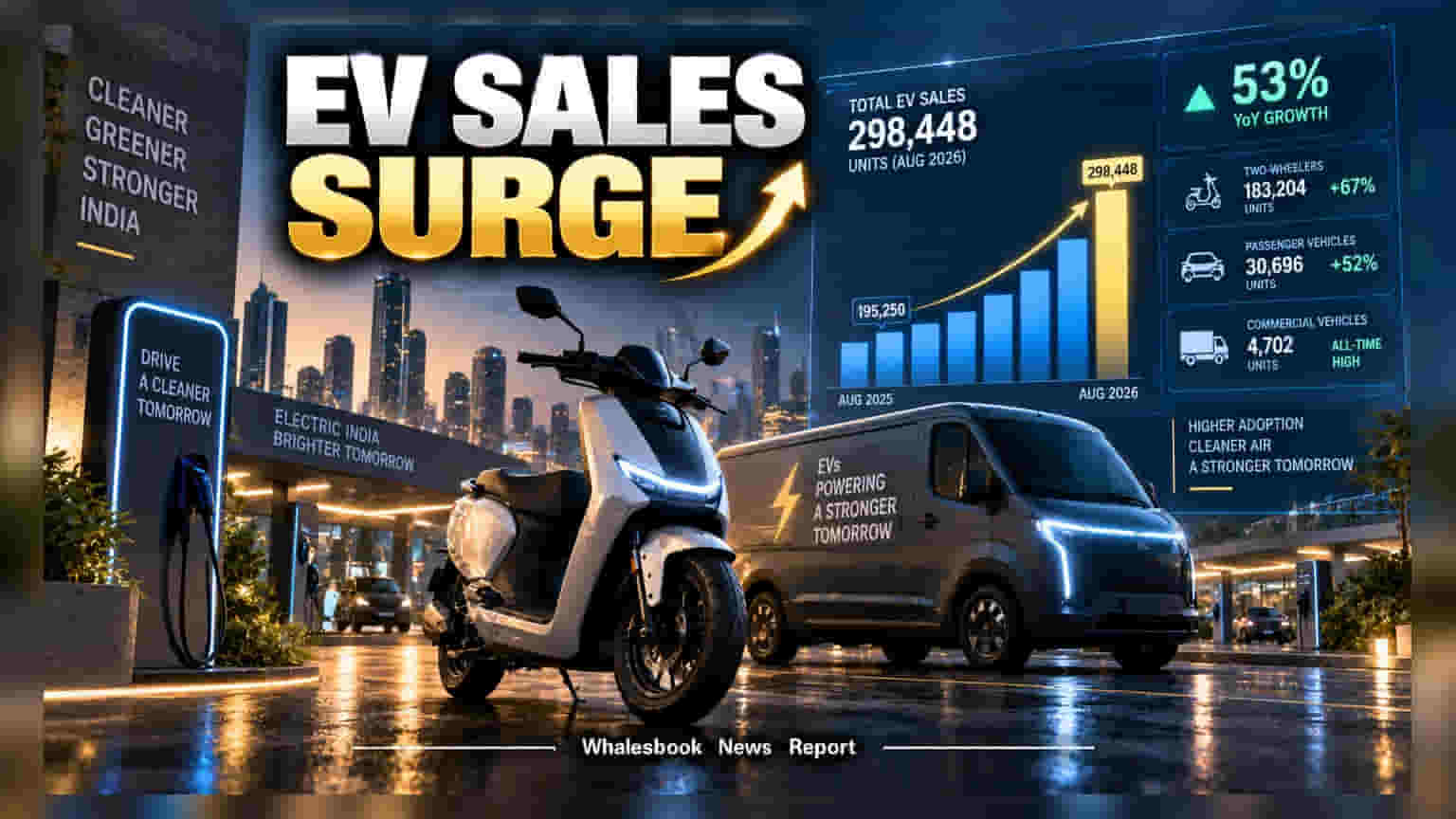
India saw a record August for electric vehicle sales, with retail numbers hitting 298,448 units, a 52.9% rise compared to last year. A key shift occurred as alternative-fuel vehicles—including electric, hybrid, and CNG—outsold traditional petrol cars for the first time. While this growth is significant, the industry now faces new regulatory compliance hurdles under the recently launched PM E-DRIVE scheme, which focuses on deeper local manufacturing.
India's electric vehicle (EV) market registered a strong performance in August 2026, with retail sales climbing to 298,448 units. This represents a 52.9% increase from the same month last year, when sales stood at 195,250 units. The overall EV penetration rate, which measures the share of electric vehicles in total sales, reached 12.3%, marking a steady increase from the 9.5% recorded in August 2025.
A significant trend observed this month is the changing consumer preference in the passenger vehicle segment. For the first time, alternative-fuel vehicles—a category encompassing electric, hybrid, and CNG—collectively sold more units than petrol-powered passenger vehicles. This combined group captured a 41.95% market share, suggesting a structural shift in buyer preference away from traditional petrol engines.
The electric two-wheeler segment continued to lead in total volume, contributing 183,204 units, which is a 67.05% growth compared to the previous year. Electric commercial vehicles also showed momentum, hitting an all-time monthly high of 4,702 units. Meanwhile, passenger vehicle EV sales reached 30,696 units, reflecting an increase of nearly 52%. Within the electric passenger vehicle space, Tata Motors maintained its leadership position with a 43.8% market share as of August 2026.
Despite these gains, the industry faces immediate operational changes. On September 1, 2026, stricter localization requirements under the government's PM E-DRIVE scheme came into effect. This regulatory shift requires companies to ensure deeper domestic sourcing for critical components, such as rare-earth magnets used in traction motors. Manufacturers now face the challenge of adjusting supply chains to meet these compliance norms while managing the seasonal variations in sales, which saw a slight month-on-month decline in August due to the monsoon season.
Investors may monitor how companies navigate these new compliance requirements, as supply chain adjustments could influence operating margins in the coming quarters. While the structural demand for electric and alternative-fuel vehicles remains strong, the financial performance of these companies will likely depend on their ability to balance volume growth with the costs of meeting local manufacturing standards. Profitability for those relying on assembly-heavy models may remain under pressure as the industry adjusts to the new subsidy and localization framework.