 Whalesbook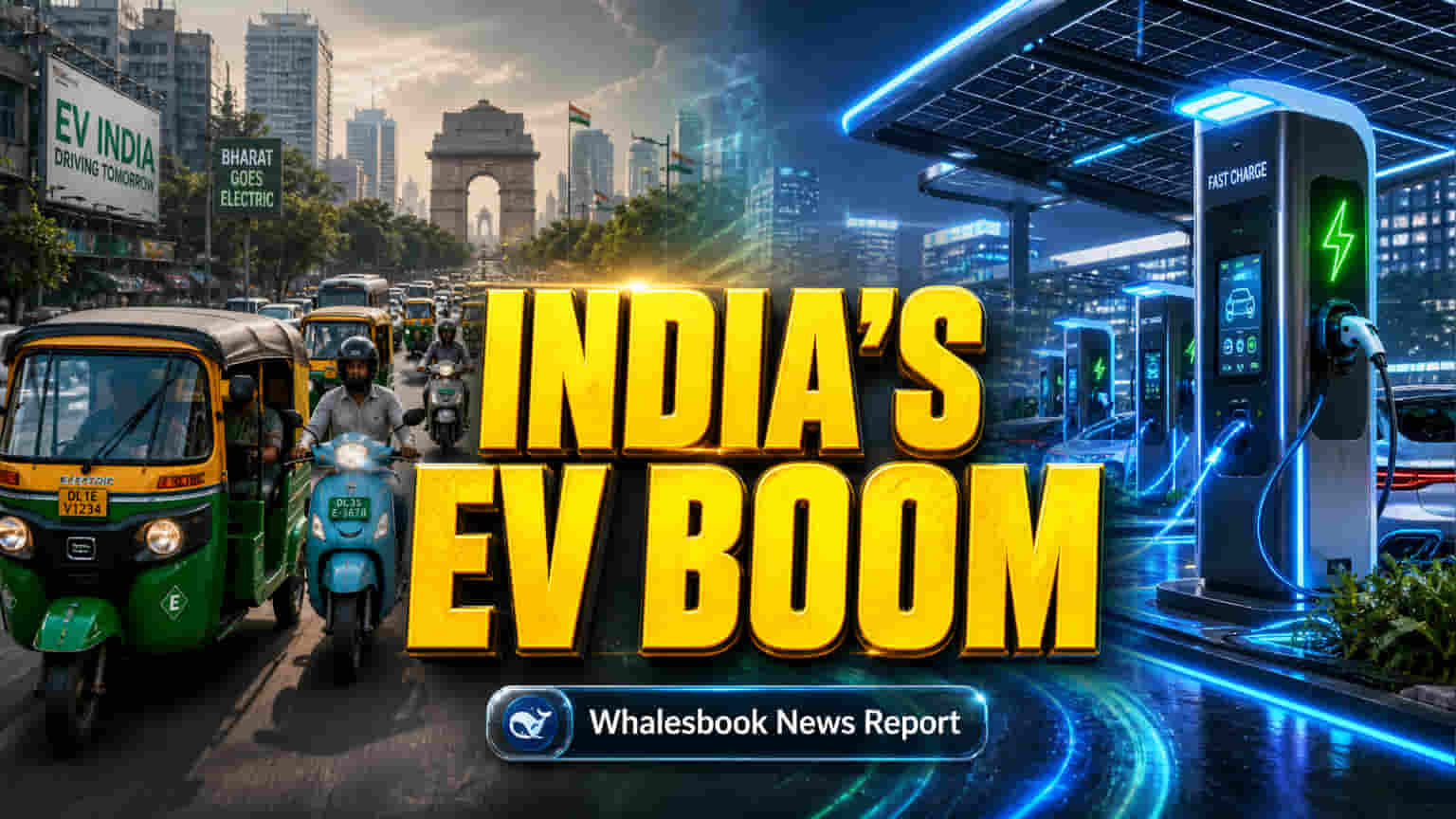


India's electric vehicle market saw significant expansion in FY26, with consumer choices increasingly driven by economic logic rather than just environmental concerns. The narrative has shifted towards a practical assessment of financial benefits, where Total Cost of Ownership (TCO) and direct earnings potential are now the key decision factors.
Economic Benefits Drive EV Sales
Consumers are prioritizing the long-term financial advantages of EVs, such as lower running and maintenance costs. These savings directly boost daily earnings, especially for commercial operators and drivers of two- and three-wheelers. While upfront costs for EVs can still be 20-30% higher than comparable internal combustion engine (ICE) vehicles, the rapidly closing gap in TCO is a powerful incentive. State policies, including tax waivers and purchase incentives, support this trend, but the core driver is now the economic advantage. This pragmatic shift is transforming EVs from eco-friendly options into income-generating assets. Mahindra & Mahindra, for example, reported leading EV revenue in FY26 at ₹15,089 crore, a 344% year-on-year increase, demonstrating a strategic focus on higher-value segments even as Tata Motors sold more units.
Uneven Growth Across States
EV market growth varies by state. Uttar Pradesh leads in sales, largely due to the economic advantages of electric three-wheelers (e-3Ws), where lower operating costs increase driver income. Maharashtra shows more balanced sales across segments, supported by incentives and infrastructure development. Karnataka, however, is shifting its policy. After offering tax exemptions, it has started levying lifetime taxes of 5-10% on vehicle price, aiming to raise ₹250 crore annually but potentially slowing adoption. Delhi continues its road tax waivers for EVs under ₹30 lakh, maintaining high penetration. These differing approaches highlight how regional economic conditions and consumer price sensitivity influence EV uptake.
Challenges Remain for EV Adoption
Despite strong growth, challenges remain for EV adoption. High upfront costs are a major hurdle, particularly for the price-sensitive passenger vehicle market. While charging infrastructure is growing, its uneven distribution causes range anxiety. Supply chains for battery components like lithium and cobalt also introduce volatility. For commercial users, high interest rates on EV loans (15-33%) can negate TCO benefits. Karnataka's recent shift from tax exemptions to taxation illustrates the conflict between state revenue goals and green mobility incentives, which could slow industry growth. Domestic manufacturers like Tata Motors (78,811 units sold in FY26) and Mahindra (42,721 units) show strong sales but face stiff competition from JSW MG Motor India. Lingering concerns about battery life, replacement costs, and resale value also affect consumer trust.
Outlook for India's EV Market
Analysts predict a generally optimistic future for India's EV sector, with projections suggesting market expansion could reach USD 1,283.08 billion by 2035, growing at a CAGR of over 50%. Continued growth is expected from supportive government policies and rising consumer awareness. However, key areas requiring attention include EV operational profitability, the speed of battery cost reductions, and the need for ongoing innovation. The sector's path forward will depend on navigating economic conditions and policy changes while tackling affordability and infrastructure challenges.