

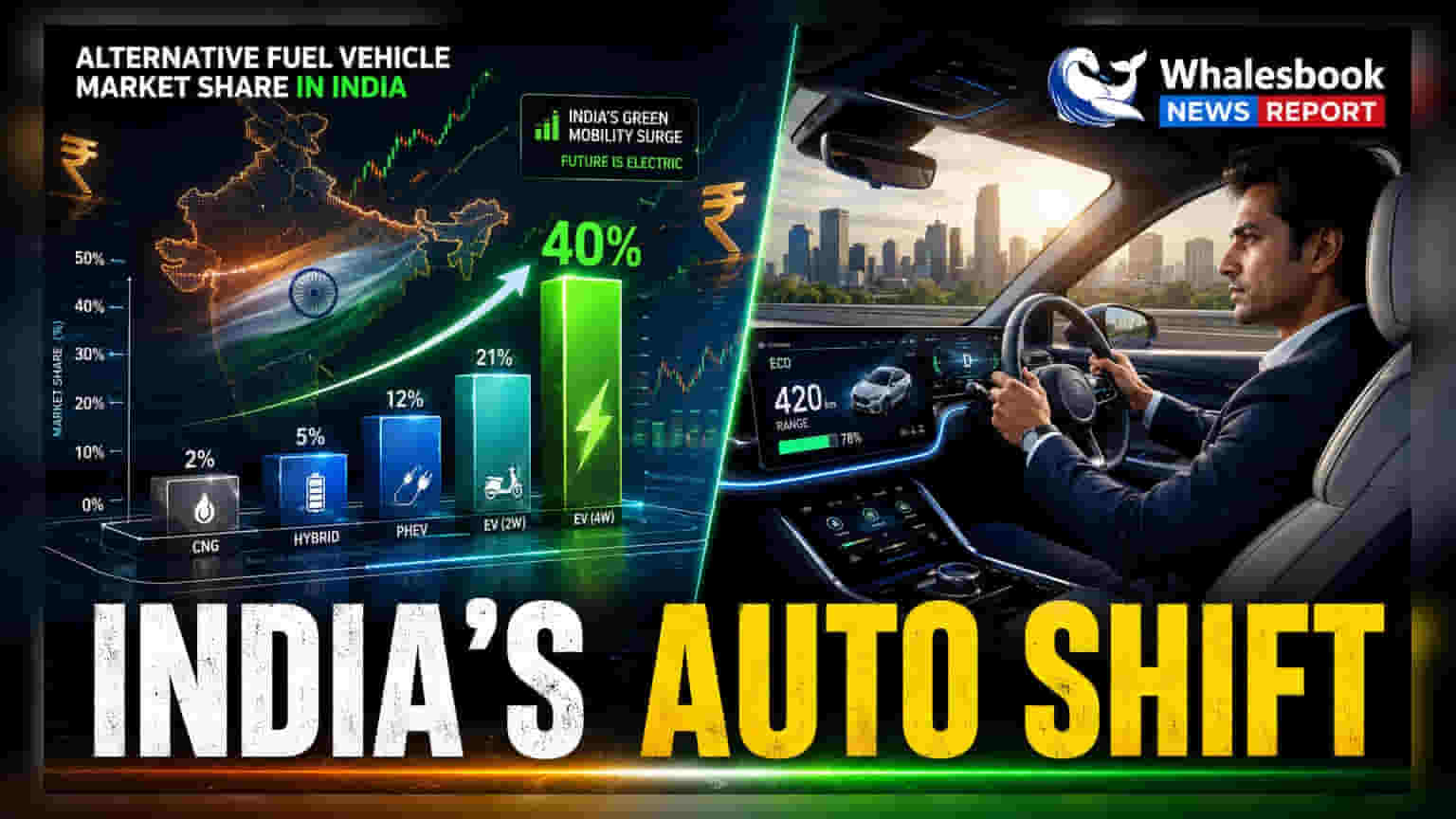
India's passenger vehicle retail sales reached a record 4,10,853 units in June, as CNG, hybrid, and electric models accounted for over 40% of the market. This shift reflects a major change in consumer preference toward lower-running-cost vehicles, with rural demand outpacing urban areas by a significant margin.
The Indian automotive industry recorded its strongest-ever performance for the month of June, with retail sales rising 28.6% year-on-year to 4,10,853 units. A significant development in this period was the rising adoption of alternative-fuel vehicles, which crossed the 40% threshold of total retail sales for the first time. This transition marks a notable move away from traditional petrol and diesel engines, which saw their combined market share drop below 60%.
Segment Performance and Consumer Trends
Compressed natural gas (CNG) models emerged as the clear leader within the alternative-fuel segment, capturing nearly 25% of total passenger vehicle sales. Electric vehicles (EVs) and hybrid models also showed healthy traction, each contributing roughly 8% to the total sales mix. The growth in the EV segment was particularly noteworthy, with retail sales reaching a monthly peak of 31,823 units. This performance indicates that demand remains resilient even as government incentives for electric mobility have recently been reduced.
Geographically, rural markets demonstrated a stronger appetite for new vehicles compared to urban centers, with sales in rural areas expanding by 35.1% against 24.7% in cities. However, while overall demand remained robust, the onset of the monsoon season caused some hesitation in buying activity across specific agricultural belts.
Supply Chain Improvements and Market Outlook
Automakers benefited from a smoother supply chain in June, as logistics disruptions eased and crude oil prices remained relatively stable. This improvement allowed dealers to maintain better inventory levels, supporting the surge in retail deliveries. Even with manufacturers raising vehicle prices by 2% to 3% at the start of the month, booking momentum stayed strong, suggesting that buyers are currently more focused on long-term running costs than immediate purchase prices.
For investors and industry observers, the key monitorable remains how manufacturers balance their product portfolios. Companies are currently investing heavily in expanding their CNG, hybrid, and electric lineups to meet these evolving consumer preferences and comply with stricter emission standards. Future performance in the sector will depend on the continued expansion of fueling and charging infrastructure, as well as the ability of companies to maintain profit margins while managing the cost of shifting their technology mix toward alternative fuels.