

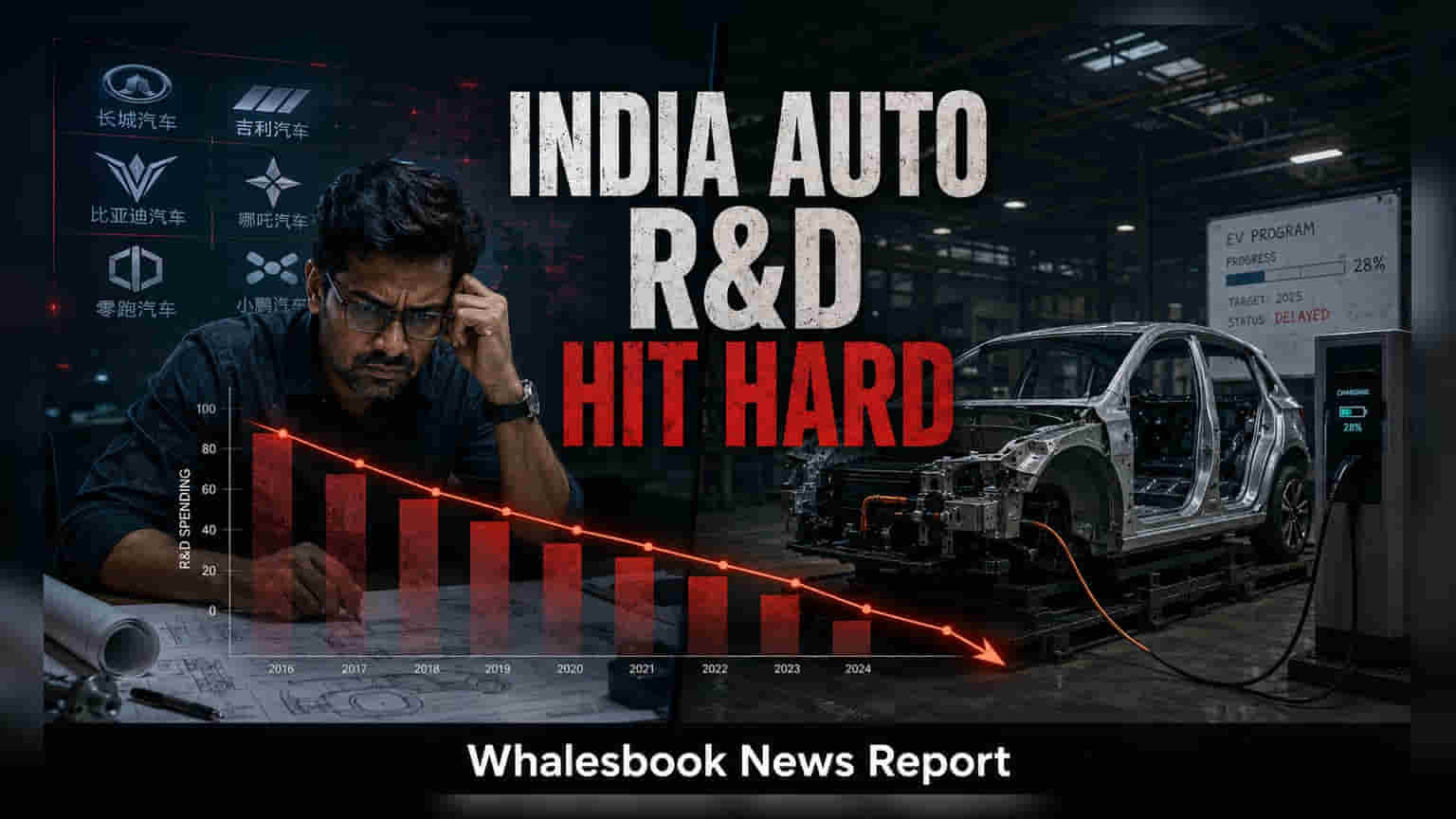
Indian automotive firms are scaling back R&D investments in 2026 to focus on existing vehicle models instead of new platforms. This strategic shift follows intense competition from Chinese manufacturers and a slower-than-expected adoption of electric vehicles. While new projects face delays, mechanical engineering services and the commercial vehicle sector remain relative bright spots for investment.
Indian automotive manufacturers are rethinking their spending plans for 2026. Recent analysis indicates that R&D investments are under pressure, leading many companies to defer or cancel plans for developing entirely new vehicle platforms. Instead, automakers are choosing to prioritize resources for updating and optimizing their current models to defend their market share.
Focus Shifts to Existing Models
The shift in spending is driven by two main factors: intensifying competition from Chinese original equipment manufacturers (OEMs) and a slower transition to battery electric vehicles (BEVs) than earlier estimates. Because the mass adoption of electric vehicles is moving at a more gradual pace, companies are less inclined to commit large amounts of capital to new, electric-specific vehicle architectures in the immediate term. Consequently, there is a widespread pivot toward strengthening the products that are already on the road.
As new platform development slows, there is a visible change in where engineering budgets are being allocated. Service areas like body engineering, value analysis, and regulatory testing—often called homologation—are seeing more attention. Manufacturers are focusing on these tasks to make their existing products more efficient and cost-effective, reflecting a pragmatic approach to the current market challenges rather than a focus on high-risk innovation.
Resilience in Commercial Vehicles
Not all areas of the auto sector are feeling the same level of pressure. The commercial vehicle and off-highway equipment segments continue to demonstrate resilience. These parts of the industry are still seeing sustained R&D investment, particularly in advanced technologies like autonomous systems and alternative fuel powertrains.
However, it is important for investors to note that these segments often operate on longer business cycles and typically command different R&D spending levels compared to the passenger vehicle market. While these sectors currently provide a steady flow of work, the broader automotive landscape remains cautious.
Looking ahead, the key monitorable for the market will be the duration of this defensive phase. Investors may track whether the commercial vehicle segment can sustain its investment levels, or if the overall pressure on R&D budgets eventually spreads further. Understanding how long automakers prioritize cost-optimization over new platform launches will be essential for gauging the near-term health of the automotive engineering services sector.