 Whalesbook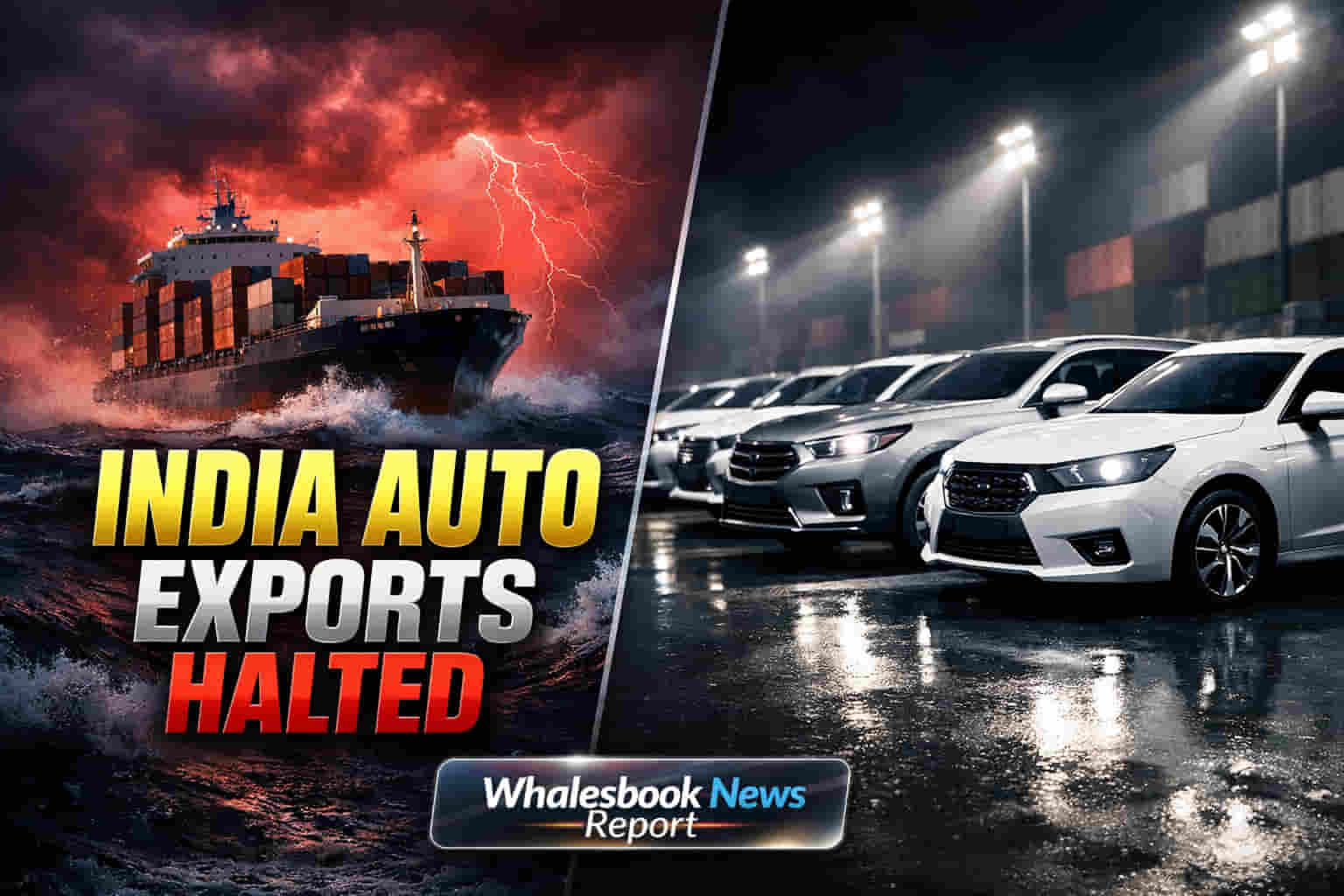


The Core Catalyst
The current geopolitical instability in West Asia is actively disrupting the outbound logistics for India's burgeoning automobile export sector. Key players like Maruti Suzuki India, Hyundai Motor India, and Tata Motors, among others, have reportedly paused vehicle dispatches destined for the Middle East and North Africa (MENA) region. This reaction signals a significant challenge to a critical growth lever for the Indian auto industry, which saw passenger vehicle exports reach a record 7.7 lakh units in the last fiscal year, with the Middle East representing a substantial portion of this volume. The NSE Nifty Auto Index has reacted negatively, shedding approximately 5% in value as tensions have mounted, indicating investor apprehension regarding potential impacts on export volumes and profitability.
The Analytical Deep Dive
This geopolitical stress event is testing the diversification strategies and operational resilience of Indian automakers. While companies typically maintain a two-to-three-week inventory buffer, sustained disruption near the Strait of Hormuz, a vital shipping chokepoint, could necessitate longer, more costly routes and elevate insurance premiums. Data suggests that Middle Eastern markets account for roughly 25-30% of India's total passenger vehicle exports by value, making this region indispensable for many manufacturers. Maruti Suzuki India, while acknowledging the situation, indicated that its Middle East shipments constitute about 12.5% of its total exports and are manageable, reflecting a more diversified export base. In contrast, Hyundai Motor India is considered among the most exposed, with nearly half of its export volume directed towards Gulf nations. Similarly, Nissan Motor India's exports to the region comprise over one-third of its total overseas dispatches by value. Global freight costs on key East-West shipping lanes have already seen an estimated increase of 15-20% due to rerouting, and insurance premiums are reportedly up by 5-10% for vessels navigating the Arabian Sea.
THE FORENSIC BEAR CASE
The concentration of export revenue in the MENA region presents a clear vulnerability for certain Indian automakers. Hyundai Motor India’s significant exposure, for instance, makes it particularly susceptible to prolonged shipping delays and escalating operational costs. Nissan Motor India faces similar risks given its substantial reliance on this market. While most large manufacturers have diversified export geographies, the sheer importance of the MENA market means even diversified players can experience margin compression. The current standoff could inflate freight costs by 1-3% of revenue, a significant figure for an industry segment often operating on tight margins. The cautious investor sentiment, driving the Nifty Auto Index down, suggests markets are pricing in these potential margin squeezes and slower export growth. Companies that fail to navigate this disruption effectively may see inventory build-up and working capital strain. The lack of immediate public response from several manufacturers also adds to uncertainty.
The Future Outlook
Industry analysts suggest that while short-term shocks might be absorbed by existing inventory buffers and diversified export geographies, a protracted conflict could materially constrain export volumes and earnings. The future trajectory for these exports hinges on the swift stabilization of geopolitical conditions in West Asia. Automakers are closely monitoring the situation, evaluating their supply chain resilience, and assessing the feasibility of rerouting shipments or adjusting production schedules. The strategic importance of MENA markets suggests that manufacturers will prioritize navigating these challenges to maintain their presence, but the immediate focus remains on managing increased logistical costs and shipment uncertainties.