

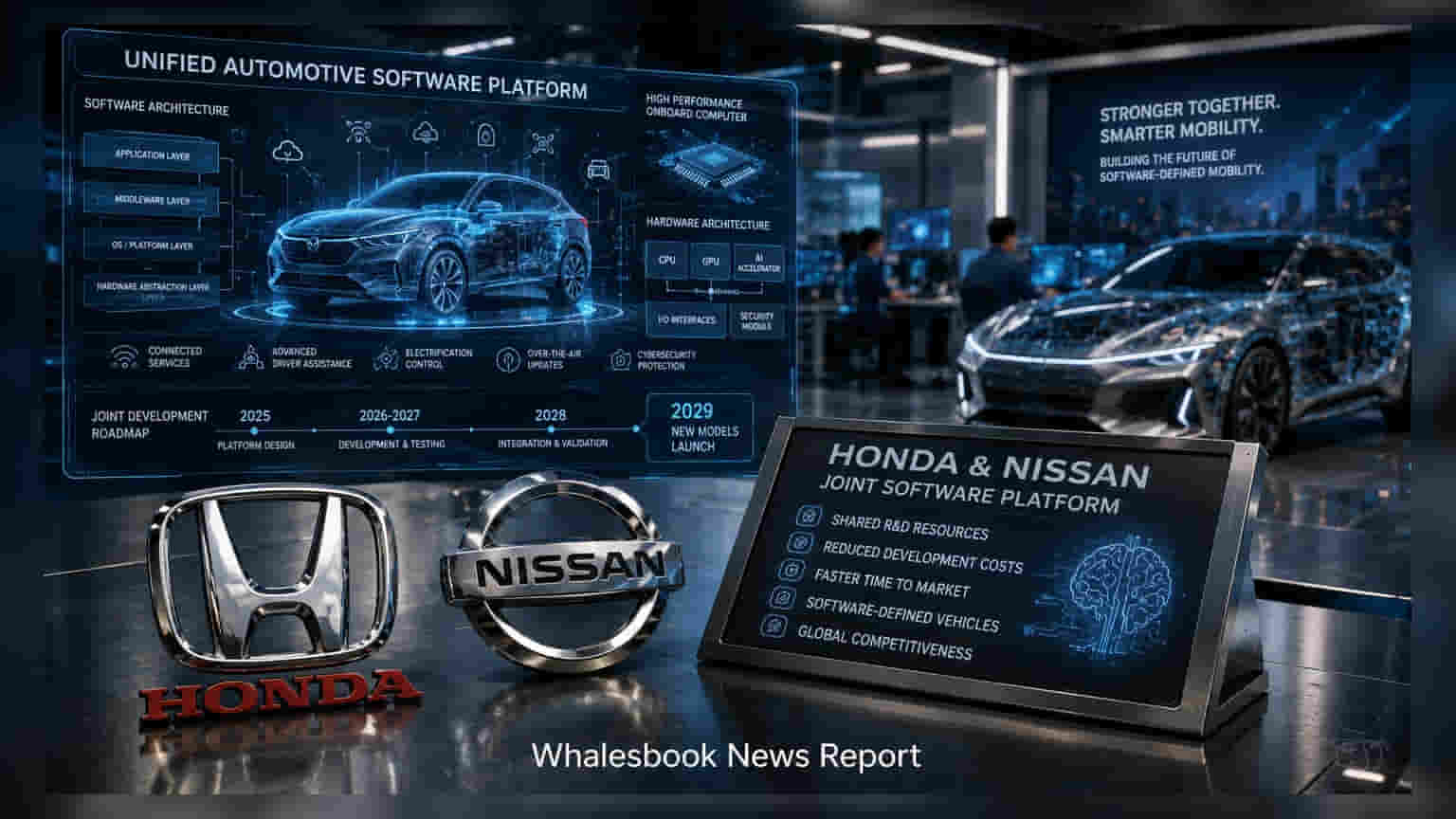
Honda and Nissan are partnering to develop a shared automotive operating system and computer architecture, targeting a 2029 launch. This move aims to lower heavy R&D costs and improve competitiveness in the fast-changing market for electric and software-defined vehicles.
Japanese automotive majors Honda Motor and Nissan Motor are finalizing an agreement to co-develop a unified automotive software platform. The collaboration focuses on creating a shared operating system and high-performance onboard computer architecture, with plans to integrate these technologies into new vehicle models by 2029.
This initiative marks a significant strategic shift as both companies address the growing demand for software-defined vehicles. As cars become more like computers on wheels, the cost of developing proprietary software and hardware has increased sharply. By pooling their technical resources, Honda and Nissan aim to share the heavy burden of research and development expenses, which is essential to remain competitive against global rivals, particularly new entrants in the electric vehicle space who often have lower cost structures.
It is important to note that this is a technical partnership rather than a corporate merger. Both companies had previously explored broader integration, including potential merger discussions, which did not move forward. This new focus on operational and technological cooperation allows both manufacturers to improve efficiency and reduce their reliance on third-party technology providers without the complexities of a full structural combination. Mitsubishi Motors, which shares existing ties with the group, is also currently evaluating the potential to adopt this joint platform.
While the partnership is designed to improve long-term financial health, the roadmap to 2029 carries notable risks. Software development in the automotive sector is inherently complex, often subject to project delays and cost overruns. Furthermore, both companies are currently navigating a challenging environment marked by high R&D spending, pressure on profit margins, and intense competition from international players. Investors will likely look for clarity on whether this collaboration can genuinely reduce development timelines and improve product quality without leading to operational friction between the two organizations.
The next major phase for stakeholders to monitor will be the formalization of the deal and any subsequent updates regarding the project’s scope. The effectiveness of this move will be judged by the companies' ability to execute the software integration successfully and eventually realize cost savings that can protect their margins. Continued management commentary on R&D expenditure and the potential formal entry of Mitsubishi Motors into this alliance will be the key developments to track.