

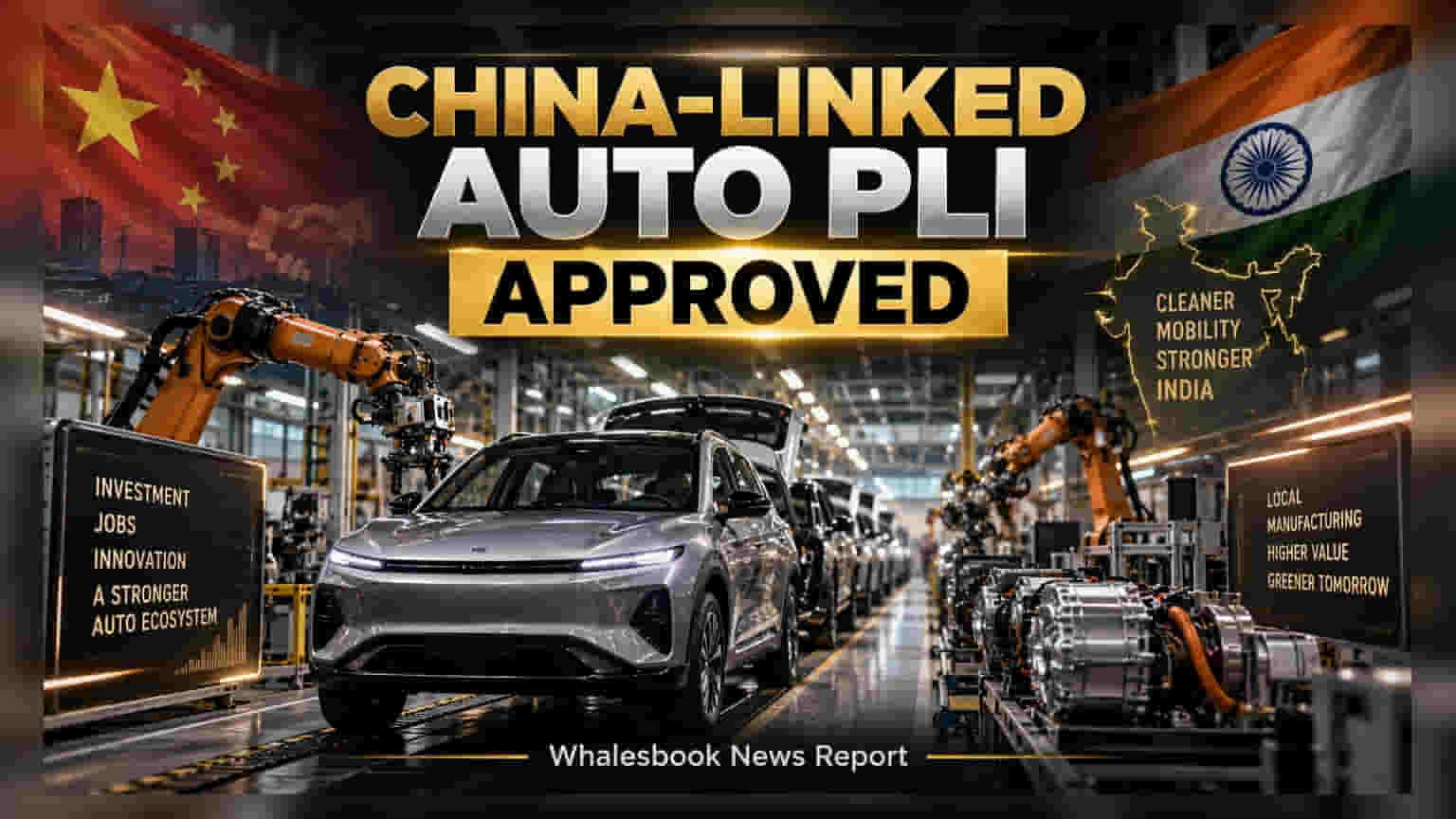
India has started processing Production-Linked Incentive (PLI) applications for automotive firms with Chinese investments, including ventures involving JSW MG Motor India and Tata AutoComp Systems. This policy shift, following improved diplomatic alignment, allows previously stalled companies to access government manufacturing support. For investors, this development is expected to accelerate domestic production of electric vehicle parts and components, potentially impacting the long-term cost structure of these entities.
The Indian government has begun processing Production-Linked Incentive (PLI) applications for automotive firms that have ownership links to Chinese entities. These applications had previously been stalled due to strict regulatory scrutiny on capital originating from land-bordering nations, which was intensified following border tensions in 2020. With a recent improvement in diplomatic ties, the government is now evaluating these existing filings that have finally secured the necessary security clearances.
Impact on Key Automotive Ventures
This move primarily benefits major automotive joint ventures that were previously unable to access the scheme. JSW MG Motor India, a partnership between the JSW Group and China's SAIC Motor, is one of the key companies set to gain access to these incentives. Additionally, two ventures under Tata AutoComp Systems, which collaborate with Beijing-based Prestolite Electric and Shanghai-based Air International, are expected to move forward in the approval pipeline. These entities are important to the domestic supply chain, as they focus on producing advanced electric drivetrains and climate control components that are essential for the growing Indian electric vehicle market.
Financial Context and PLI Goals
The Auto PLI scheme was launched in 2021 with a total budget of Rs 25,938 crore to encourage local manufacturing. Since then, the automotive industry has ramped up its activity significantly, with total money spent on expansion and new capacity already surpassing Rs 45,000 crore. The government is now preparing to disburse approximately Rs 4,000 crore in incentives this fiscal year. Including these previously excluded firms is a strategic step aimed at bolstering domestic value addition and helping the sector meet its long-term production targets.
For investors, the inclusion of these firms is significant because it allows them to participate in government incentives that can help reduce operating costs and support margin expansion. However, while this regulatory barrier has been removed, the ultimate impact on profitability will depend on the successful commissioning of these projects and the companies' ability to meet the government's stringent production and investment milestones.
What Investors Should Monitor Next
The next important step for these companies will be the actual receipt of the incentive payouts. Investors may track the speed at which these manufacturers can scale up their facilities and utilize the new incentives. Additionally, any further updates on the disbursement process will be key to understanding the immediate financial benefit. As with any sector reliant on foreign investment and international collaboration, future diplomatic developments remain a factor that could influence the regulatory environment for such companies.