

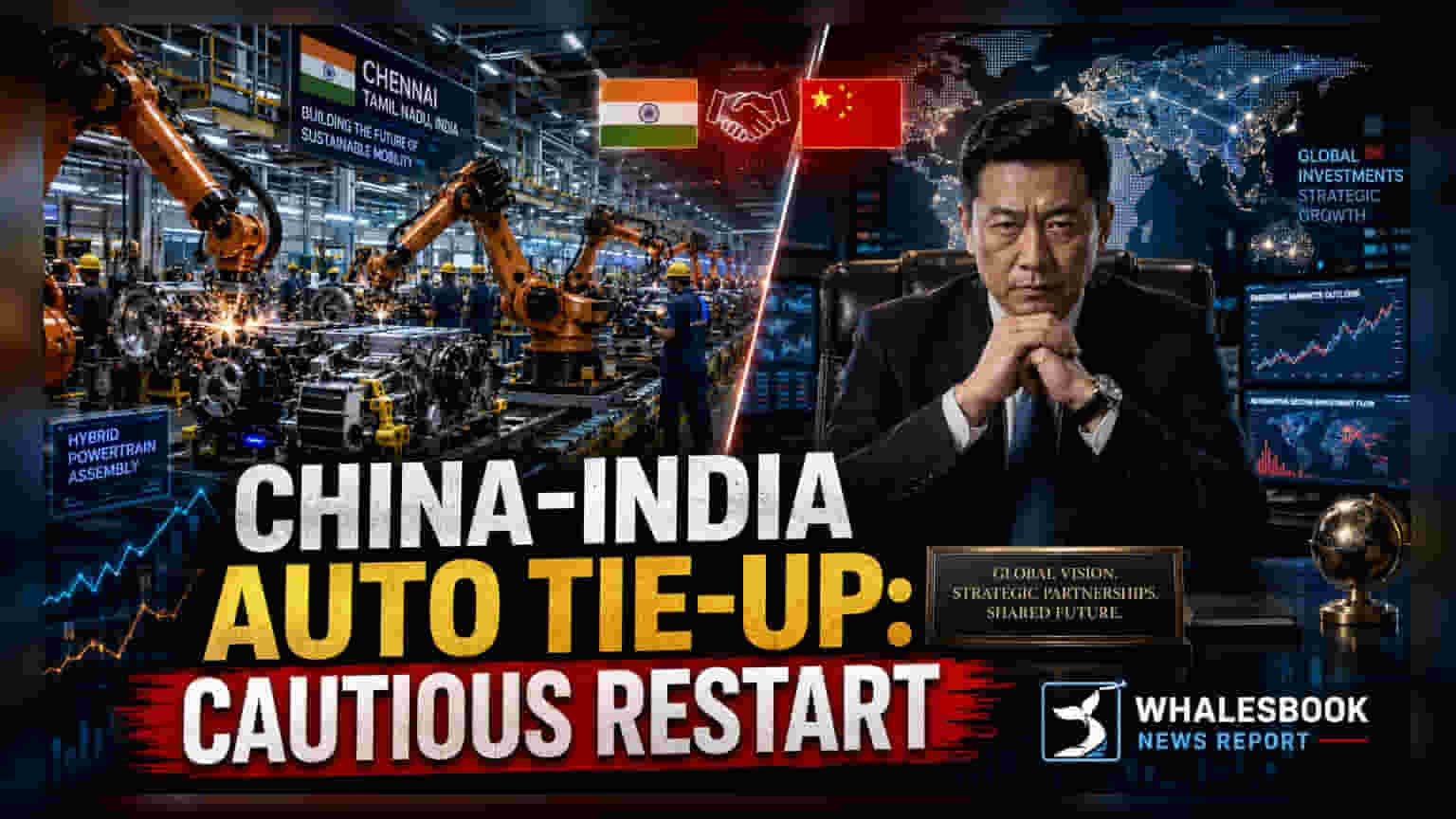
Horse Powertrain, a joint venture backed by China’s Geely, plans to invest approximately $370 million to build a hybrid engine factory in Chennai. This move signals a cautious easing of investment norms for Chinese technology in India’s automotive sector, as domestic manufacturers look to improve competitiveness in the hybrid and electric vehicle space.
What Happened
Horse Powertrain, a joint venture involving Chinese automaker Geely, has announced plans to invest up to $370 million, or roughly ₹3,000 crore, to establish a manufacturing facility in Chennai. The plant will focus on producing hybrid powertrains, marking the most significant investment by a China-linked automotive entity in India since 2017. This project comes at a time when the Indian automotive industry is increasingly looking for advanced technology to support the transition toward electric and hybrid vehicles. The move follows recent industry trends, such as Tata Motors' decision to use platforms from Chinese manufacturer Chery Automobile for its upcoming Avinya electric vehicle range, though those companies have limited that engagement to parts supply.
Why This Matters For Investors
The Indian automotive sector relies heavily on Chinese suppliers for critical components, especially for electric and hybrid vehicles. Access to advanced hybrid technology through local manufacturing can help Indian companies manage production costs and improve their product competitiveness. For investors, this development signals a potential shift toward a more pragmatic regulatory environment where Indian firms can more easily access necessary foreign technology. However, the success of such projects will depend on navigating complex investment screening processes that have remained strict since 2020.
The Regulatory And Geopolitical Context
Since the border tensions of 2020, India has maintained tight controls on foreign direct investment from neighboring countries under Press Note 3. These regulations require government approval for any investment from nations sharing a land border with India. While this new project suggests a possible thawing in relations, Chinese firms also face new challenges. Beijing has recently increased scrutiny over its own companies' outbound technology transfers, partly in response to Western trade restrictions. This dual-sided regulatory pressure means that any future projects in this sector will likely face intense scrutiny from both New Delhi and Beijing.
Risks And Implementation Hurdles
While the prospect of local manufacturing is a positive for supply chain stability, investors should keep in mind the history of delays and cancellations for similar proposals in recent years. The solar power sector has faced similar dynamics, where companies had to shift production to third-party countries to bypass trade duties and regulatory hurdles. If similar trade or investment tensions resurface, it could lead to project delays or higher capital costs for the companies involved. Additionally, the Indian automotive industry must balance the need for imported Chinese technology with the government's push for 'Make in India' and local value addition.
What Investors Should Track
The most important monitorables for this project include the timeline for land acquisition, receipt of government approvals under existing foreign investment rules, and the final commissioning date of the Chennai facility. Investors may also watch for similar technology partnerships across the auto ancillary and battery manufacturing sectors, as these will indicate how quickly the industry can integrate Chinese expertise. Additionally, updates on trade policies regarding auto components will remain a key factor for profit margins across the broader automotive sector.