

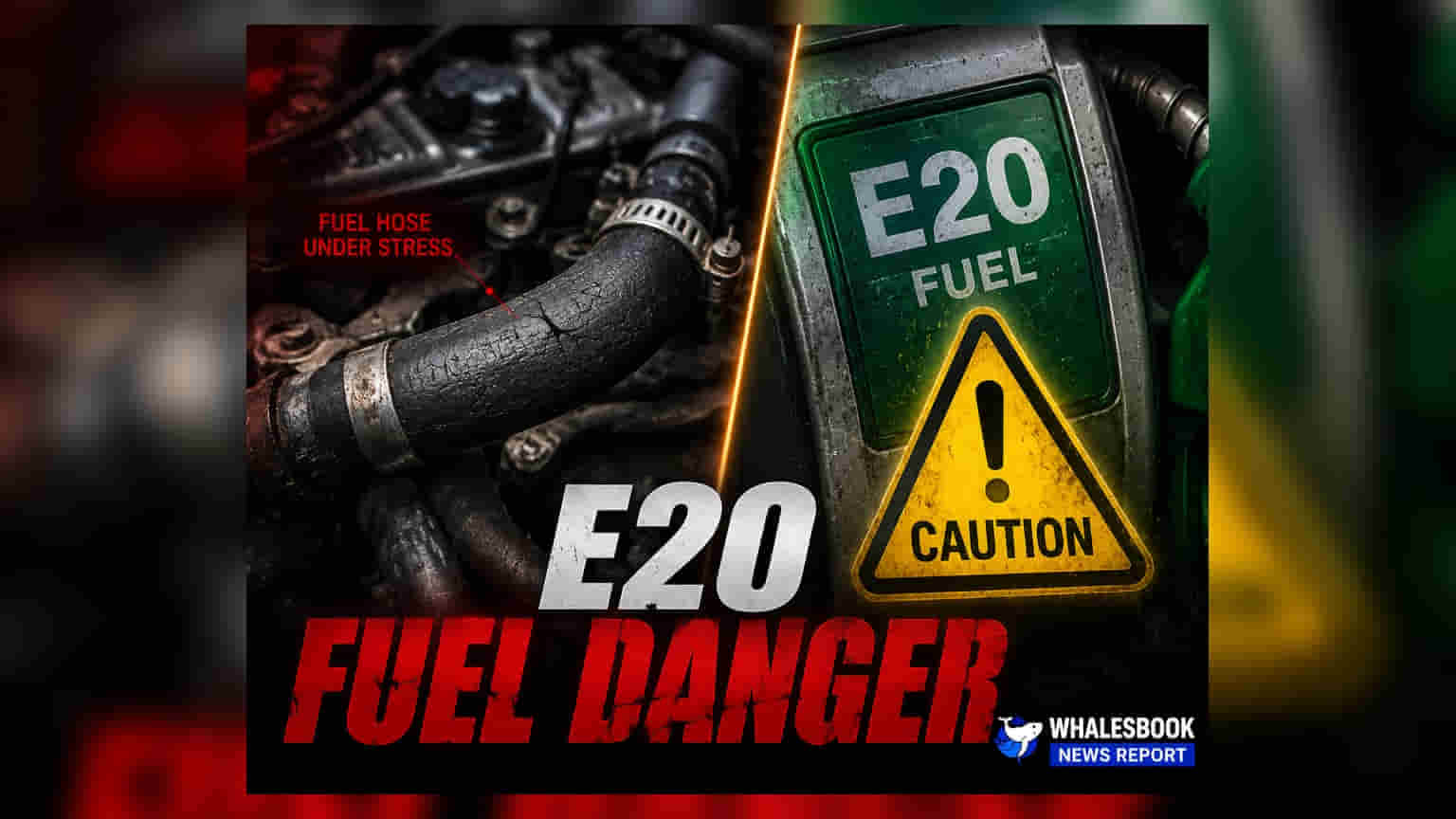
A recent ARAI report suggests E20 fuel may cause long-term degradation of rubber components in older vehicles designed for E10 petrol. While manufacturers confirm current models remain safe, the findings highlight maintenance risks for older fleets and a noticeable decline in fuel efficiency.
The transition to E20 fuel, which contains 20% ethanol, is bringing renewed attention to vehicle maintenance and compatibility, particularly for older models on Indian roads. An Automotive Research Association of India (ARAI) report has identified that rubber-based fuel-system components—such as hoses, gaskets, and seals—in vehicles originally engineered for E10 petrol may face degradation when exposed to higher ethanol blends over time.
Durability Tests and Performance Findings
The ARAI evaluation provides a nuanced view of engine performance. While the study generally supports the ongoing national rollout of E20, durability testing yielded mixed results. One specific BS-VI turbocharged engine encountered operational challenges after 265 hours of testing. In another instance, an exhaust valve experienced a failure after 809 hours. However, industry experts caution that these results must be viewed within the context of total engine life, as standard durability protocols often span up to 2,000 hours, making it difficult to isolate E20 as the sole cause of failure in every instance.
Importantly, the findings are not universal across all vehicle segments. Tests conducted on two-wheelers from three major manufacturers showed no negative impact, with vehicle performance, metallic components, and emission levels remaining within standard requirements. Furthermore, startability and drivability characteristics were reported as satisfactory across the board.
Impact on Fuel Efficiency and Maintenance
Beyond mechanical durability, the shift to E20 presents a clear economic trade-off for vehicle owners. Data indicates a 2% to 6% reduction in fuel efficiency compared to E10 petrol, with the exact impact depending on the specific vehicle model. Additionally, ethanol is known to be hygroscopic, meaning it absorbs moisture from the atmosphere. This chemical property, combined with potential material degradation, raises concerns regarding the longevity of fuel systems in vehicles manufactured before 2012 that were not explicitly certified for E20 compatibility.
Leading automotive companies, including Maruti Suzuki, Toyota Kirloskar Motor, and Hero MotoCorp, have issued statements maintaining that modern engines are built with adequate safety buffers to handle the fuel. Despite these assurances, the industry is already looking ahead to higher blending targets, such as E22 to E30. For investors and vehicle owners, the key monitorable remains the long-term reliability of older engine architectures and the potential for increased demand for replacement parts like fuel hoses and seals as the national fleet ages under the new fuel standard.