

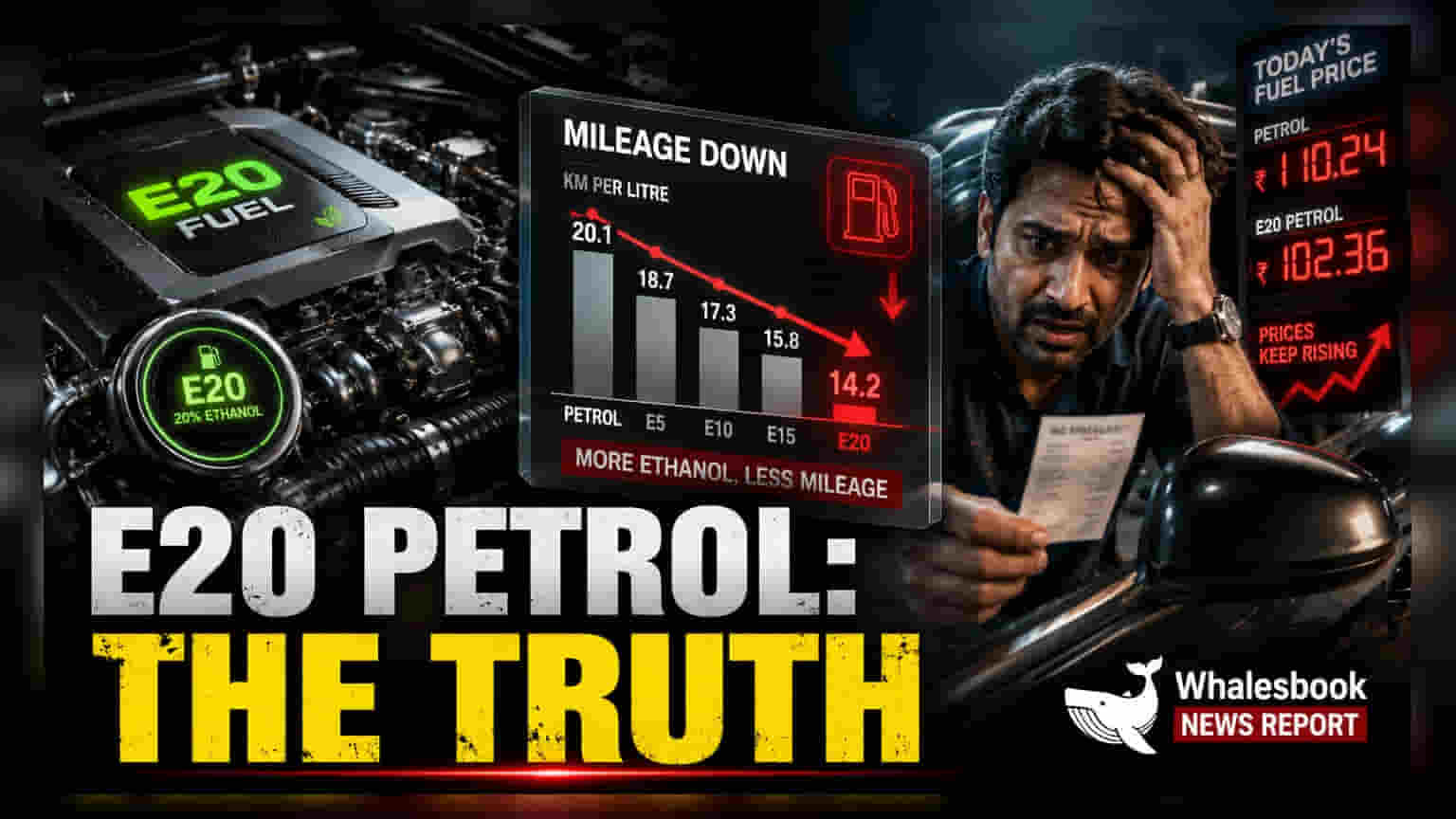
India's E20 fuel rollout may reduce mileage by 4% to 12% due to ethanol's lower energy content. While modern engines are designed to handle the blend, older vehicles may face higher maintenance costs for fuel system components like seals and gaskets.
The transition to E20 petrol, which contains 20% ethanol, has become a major talking point for Indian motorists. While the government and automakers state that modern vehicles are engineered to handle the fuel, the shift has raised practical questions about fuel efficiency and long-term vehicle health.
Impact on Fuel Efficiency
One of the most immediate effects for vehicle owners is a noticeable change in fuel economy. Ethanol contains less energy per unit compared to pure petrol, which leads to lower mileage. Real-world testing indicates that consumers may experience a reduction in distance covered per litre ranging from 4% to 12%. This drop in efficiency means that even if the pump price remains stable, the actual cost of travel increases for the end user because more fuel is required to cover the same distance.
Long-Term Maintenance Considerations
Beyond immediate fuel consumption, the chemical properties of ethanol present challenges for vehicle components. Ethanol is known to be more corrosive than traditional petrol, which can impact specific parts of the fuel system. Over an extended period, this may lead to faster wear and tear on rubber seals, gaskets, and fuel lines. While industry experts suggest that these issues do not typically cause immediate engine failure, they can result in additional maintenance expenses. Estimates suggest that over a ten-year period, owners might face extra costs ranging from ₹21,000 for standard fuel injection systems to as much as ₹60,000 for more complex gasoline direct injection engines, primarily due to the need to replace degraded fuel system parts.
Compatibility Across Vehicle Generations
Not all vehicles respond to E20 fuel in the same way. The risk of component wear is significantly higher for older models that were not designed with ethanol-blending in mind. Vehicles compliant with BS-IV emission standards and newer are generally built to handle E10 and higher, making them more resilient to the E20 blend. Conversely, older vehicles may require more frequent inspections and earlier replacement of fuel system components to prevent leaks or performance issues. Industry testing conducted by automotive research bodies and oil companies continues to monitor these compatibility factors to ensure that the transition does not result in widespread mechanical failures.
Strategic and Economic Context
The push for E20 is a central part of India's broader energy strategy to decrease dependence on imported crude oil and reduce carbon monoxide and hydrocarbon emissions. By utilizing ethanol sourced from sugarcane, maize, and food grains, the government aims to support the domestic biofuel sector. However, the lack of a price discount on E20 petrol—which could help offset the reduced mileage and higher expected maintenance costs—remains a point of contention for many consumers. Moving forward, the key monitorable for vehicle owners will be the long-term reliability of fuel system components and whether policy adjustments are made to account for the energy density difference in fuel pricing.