

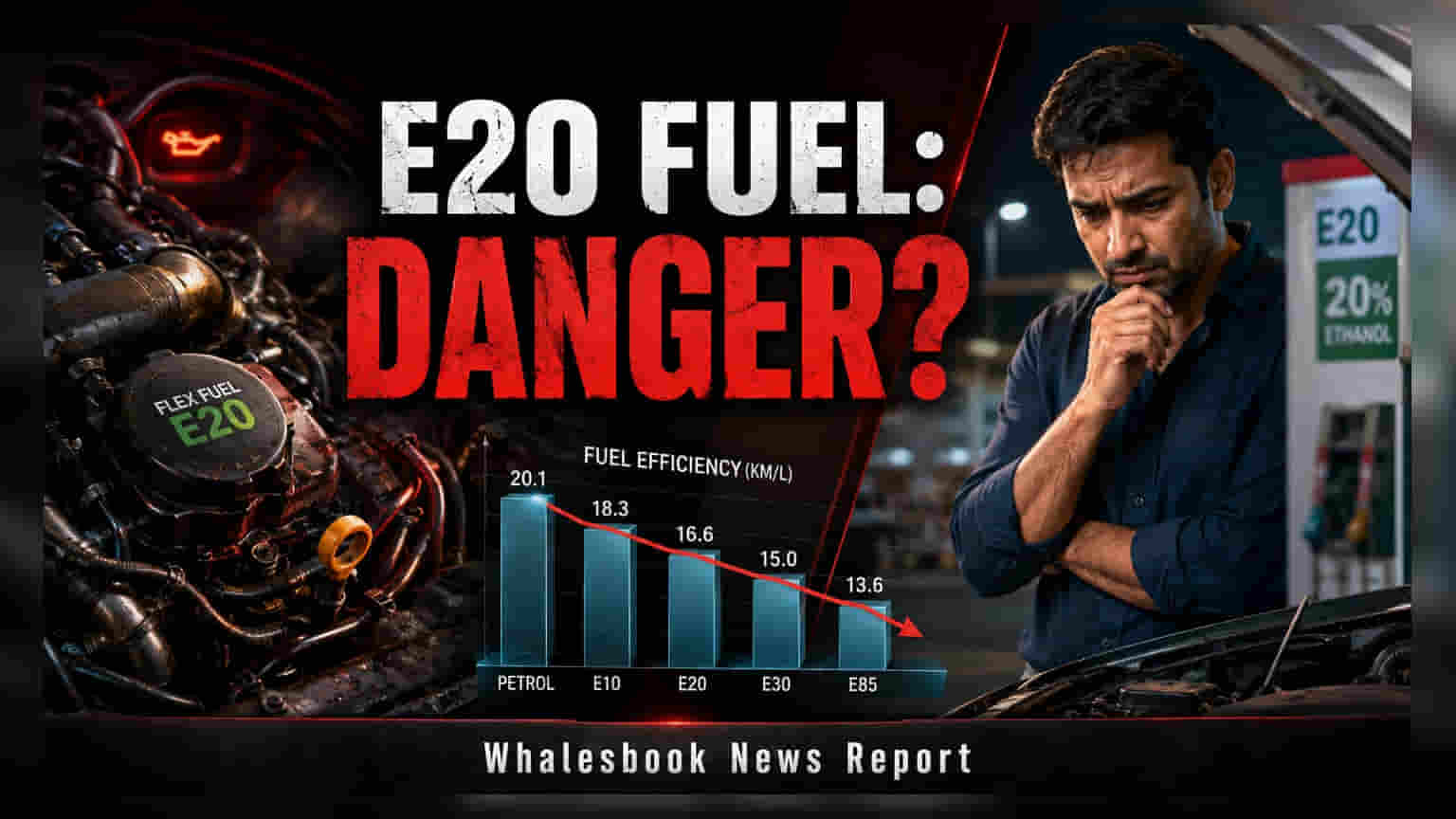
Experts are working to separate fact from rumor regarding the impact of 20% ethanol-blended petrol on car engines. While the government maintains the fuel is safe, industry concerns regarding lower fuel efficiency and potential maintenance issues for older, non-compliant vehicles remain a key point of discussion.
The debate surrounding E20 fuel—petrol blended with 20% ethanol—has intensified, with automotive industry experts working to distinguish genuine technical risks from online speculation. Saharsh Damani, CEO of the Federation of Automobile Dealers Associations (FADA), recently highlighted the importance of using verifiable workshop data rather than relying on unverified anecdotes when assessing reports of engine damage.
Legacy Vehicles and Performance Concerns
While the Government of India officially maintains that E20 fuel is safe and backed by extensive scientific testing, there is a clear distinction between new and older vehicles. Vehicles manufactured before April 2023 were generally engineered for lower ethanol blends. Because ethanol is hygroscopic—meaning it naturally absorbs moisture—it can cause degradation of rubber components and fuel system corrosion in older engines that were not specifically designed to handle higher ethanol content. Furthermore, it is widely acknowledged that E20 fuel leads to a 3% to 6% reduction in fuel efficiency, a practical concern for car owners amidst rising fuel costs.
Industry Tension and Fuel Quality
Beneath the surface of public support, there has been friction within the automotive sector. Major automakers, including Maruti Suzuki, Tata Motors, and Mahindra, have expressed private concerns regarding fuel contamination, specifically noting issues with moisture levels and chloride content in the supply chain. These private concerns contrast with the public support offered by the industry for the government's ethanol mandate. The Society of Indian Automobile Manufacturers (SIAM) even submitted a formal complaint regarding fuel quality and contamination to the government earlier, though it was later withdrawn. This withdrawal indicates that while the industry is seeking further verification and working with the government, the underlying concerns regarding the quality of fuel reaching the end consumer remain high.
Implications for Investors and Consumers
The transition to E20 is a long-term government policy, and there is no indication of a rollback. For investors, the situation creates a complex landscape. Automotive companies must balance their public alignment with national policy against the risks of potential reliability issues or brand trust erosion if customers face increased maintenance costs, such as early fuel pump or sensor replacements. As the industry moves forward, the primary monitorable for investors and stakeholders will be the government's efforts to ensure strict quality control throughout the fuel supply chain. Any persistent reports of engine failure or fuel contamination that move beyond anecdotal evidence to systemic workshop complaints could increase warranty costs for manufacturers and impact consumer sentiment.