

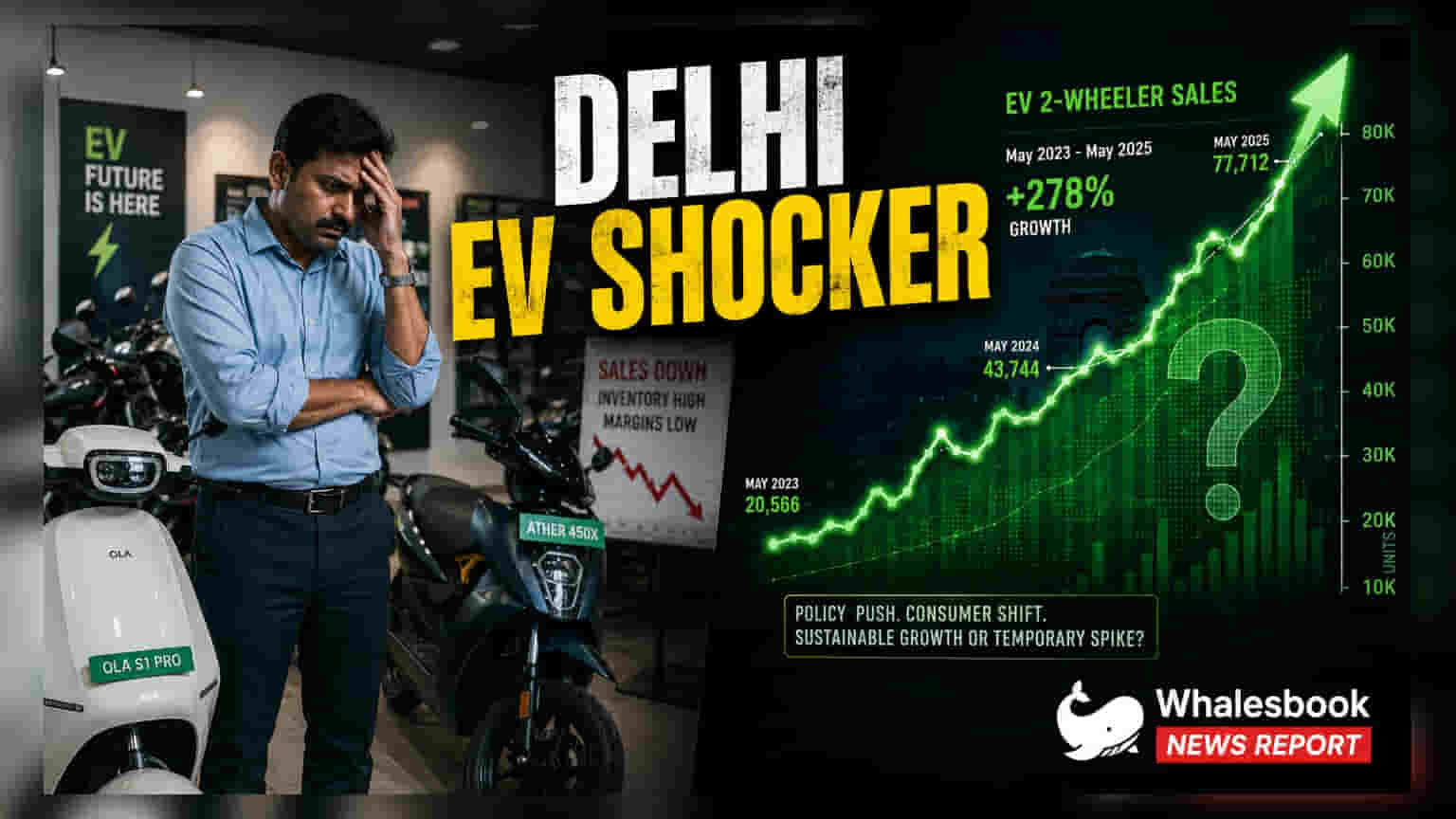
Delhi two-wheeler dealers are requesting an extension for the April 1, 2028, deadline to transition exclusively to electric vehicle registrations. Dealers cite concerns over manufacturer readiness, the current lack of affordable mass-market EV options, and the need for more time to upgrade retail and service infrastructure.
A section of two-wheeler dealers in Delhi is preparing to approach the government to request an extension of the April 1, 2028, deadline for the transition to electric vehicles. Under the current Delhi EV Policy, which remains in effect until March 31, 2030, only new electric two-wheelers will be eligible for registration in the national capital after the start of the next financial year.
Challenges in Portfolio and Infrastructure Readiness
Many dealerships, particularly those representing brands that have not yet scaled their electric product offerings, are expressing concerns over the aggressive timeline. The primary argument from these dealers is that many original equipment manufacturers (OEMs) require additional time to expand their electric portfolios to cover the affordable commuter segment, which is essential for mass adoption. Beyond product availability, dealers are highlighting the need for extensive upgrades to their own infrastructure. This includes training service personnel for EV-specific maintenance, setting up battery charging capabilities, and redesigning retail showrooms to meet the needs of an all-electric fleet.
Competitive Impact on the Two-Wheeler Market
This policy mandate is expected to significantly alter the competitive landscape for major two-wheeler companies. Manufacturers like TVS Motor Company, Bajaj Auto, and Ather Energy, which have already invested in electric vehicle development and established charging networks, are seen as having an early advantage. In contrast, brands with a smaller electric footprint or those still relying heavily on traditional internal combustion engine (ICE) sales face a compressed timeline to catch up.
Investors should monitor how companies adjust their capital spending to meet this regulatory deadline. The financial health of dealerships could also be impacted if they are forced to shift inventory away from internal combustion models without a robust, affordable electric lineup available from their manufacturers.
Another significant risk for the local automotive market is the potential for consumer leakage to neighboring cities within the National Capital Region (NCR). If customers find the electric options in Delhi too limited or expensive, they may choose to register their ICE two-wheelers in neighboring states like Haryana or Uttar Pradesh, where such strict registration deadlines may not apply. The long-term success of this policy will depend on whether manufacturers can balance production costs with the price expectations of budget-conscious buyers and whether charging infrastructure can scale fast enough to support the transition.