

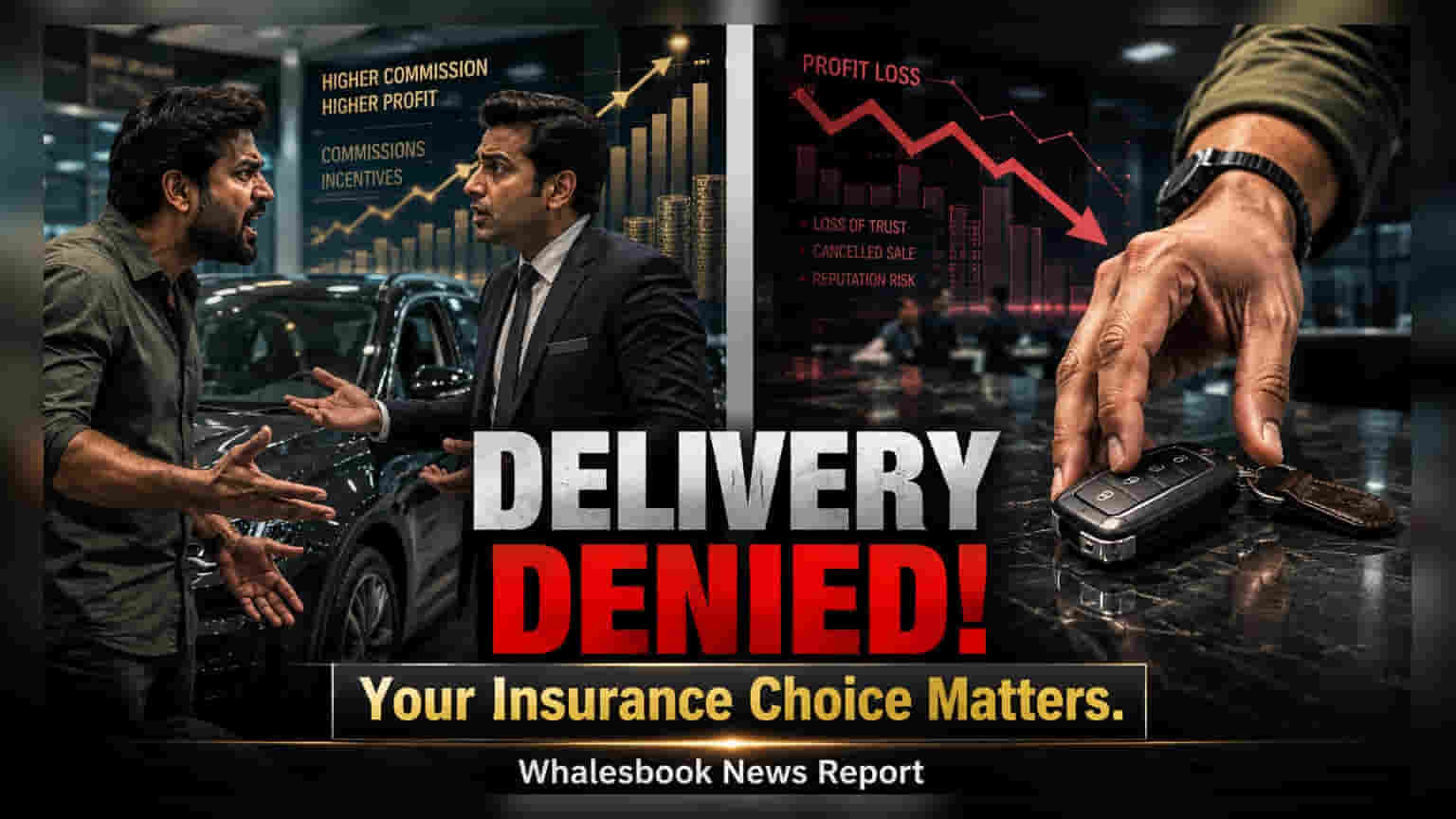
Car buyers are increasingly reporting that dealerships refuse vehicle delivery unless insurance is purchased in-house, violating IRDAI guidelines. This aggressive sales tactic is driven by thin margins in the automotive retail sector and rising commission incentives. While insurance firms benefit from government mandates, dealerships face growing reputational and regulatory risks by engaging in these unfair trade practices.
Car buyers in India are increasingly reporting a stressful trend: vehicle dealerships refusing to hand over new cars or bikes unless the buyer purchases insurance directly from the showroom. This practice is being flagged by legal experts and regulators as a direct violation of Insurance Regulatory and Development Authority of India (IRDAI) guidelines. Under these rules, buyers have the complete freedom to choose their insurer, provided they hold valid insurance as required by law.
The root of this aggressive sales strategy often lies in the changing financial dynamics of the automotive retail sector. As vehicle margins shrink and competition intensifies, dealerships face significant pressure to maintain profitability. Insurance commissions act as a critical revenue stream. By forcing a customer to buy a policy at the showroom's price—which is often higher than market rates found online—dealers aim to boost their earnings on every vehicle sold.
This issue has gained urgency due to recent Supreme Court mandates. The court has directed that new private cars must now carry four years of third-party insurance, and new two-wheelers must carry six years. This change has significantly increased the total insurance premium cost. With larger premiums come larger commissions, creating a strong financial incentive for dealerships to pressure customers into buying policies through their preferred channels rather than allowing them to shop for cheaper, online alternatives.
While insurance companies themselves benefit from higher premiums and mandate compliance, the dealerships are now navigating a precarious balance. The 'no insurance, no fuel' pilot project currently under discussion further highlights the government’s focus on insurance compliance. However, for a dealership, the short-term gain from forcing insurance sales comes with long-term risks. Engaging in unfair trade practices can lead to regulatory scrutiny, fines under the Consumer Protection Act, and significant damage to brand reputation.
For investors, this behavior is a signal to monitor the financial health of automotive dealerships. Aggressive tactics often stem from cash flow stress or weak core operational performance. While insurance firms like ICICI Lombard, New India Assurance, and Go Digit may see volume growth due to government mandates, the middleman—the dealership—is under pressure. The next monitorables for investors include how major automotive manufacturers manage their dealer networks, whether regulatory bodies issue stricter warnings, and if rising consumer awareness leads to a decline in forced insurance sales, potentially forcing dealerships to find more sustainable revenue models.