

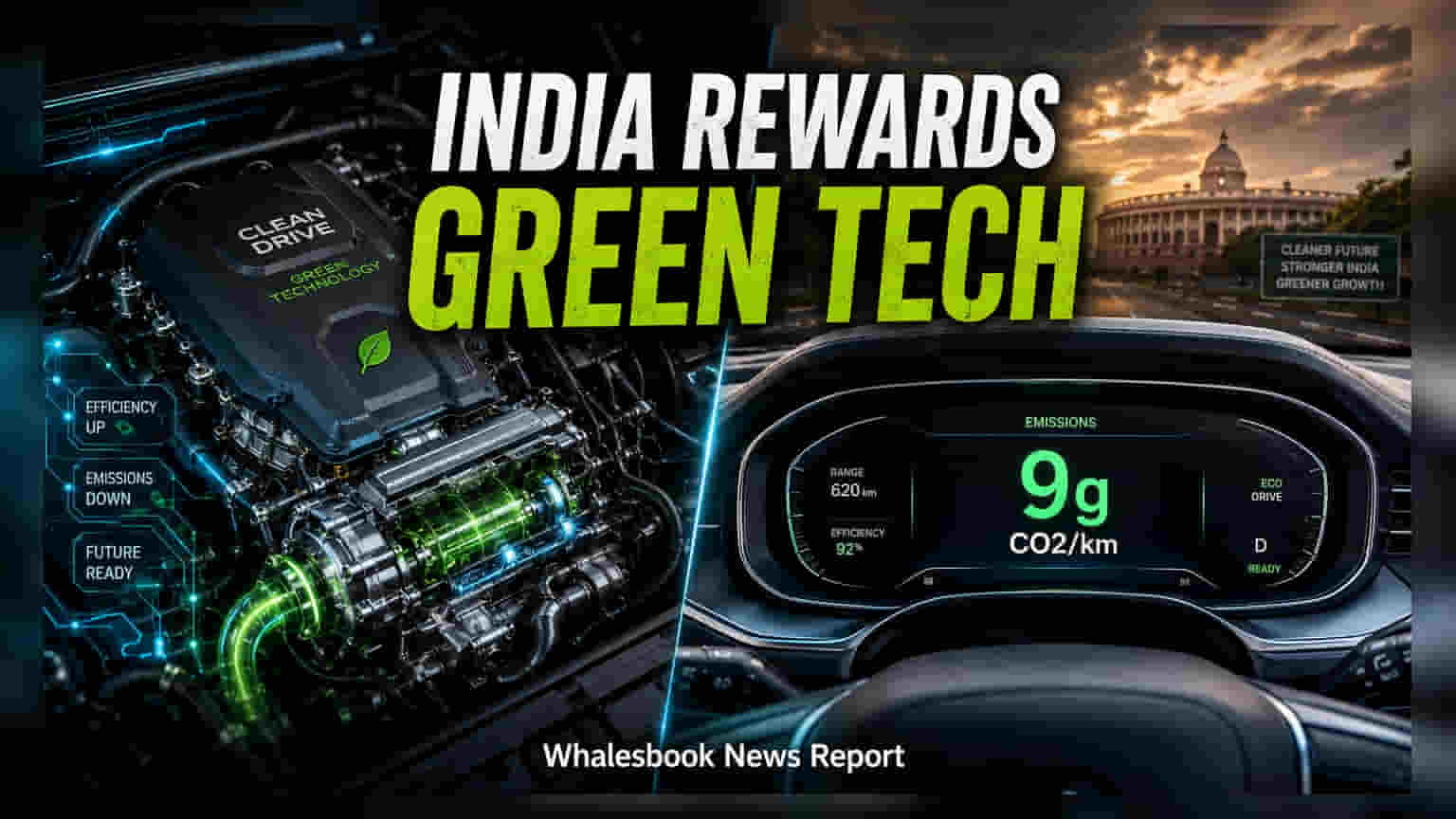
India's proposed CAFE-III fuel efficiency norms may soon reward carmakers for adopting technologies like automatic start-stop systems and tire pressure monitors. This change could help companies meet strict emission targets without relying solely on electric vehicles. Investors may track how this impacts production costs for mass-market vehicle portfolios.
The Indian government has introduced a proposal under the Corporate Average Fuel Economy (CAFE)-III regulations that changes how carmakers meet fuel efficiency and emission standards. Currently, manufacturers primarily rely on engine improvements, hybrid models, or electric vehicle sales to comply with emission norms. The new draft, released by the power ministry, suggests that implementing specific fuel-saving technologies will now count toward these compliance targets.
Technology Credits and Compliance Benefits
Under the proposal, approved features such as tire pressure monitoring systems, advanced transmissions, and automatic start-stop systems would earn manufacturers credits. Each of these technologies could be equivalent to a 1 gram reduction of CO2 per kilometer. The draft allows companies to combine these benefits up to a total limit of 9 grams of CO2 per kilometer. For a mass-market carmaker, this shift represents a shift in strategy, potentially reducing the heavy pressure to rapidly transition entire fleets to electric power.
Impact on Mass-Market Vehicle Strategies
Many of these features are currently standard in premium vehicles but less common in entry-level cars due to cost constraints. If these technologies become tools for regulatory compliance, manufacturers may be incentivized to standardize them across mass-market models. By gaining regulatory credits, companies can potentially manage their fleet-wide emission averages more efficiently. Additionally, the draft proposes incentives for flex-fuel vehicles, signaling a push toward alternative fuel integration alongside electrification.
Regulatory and Execution Context
Investors should monitor how these compliance pathways affect the capital spending plans of major domestic automakers. While this proposal offers a more flexible route to meeting efficiency norms, the final impact on profit margins will depend on the cost of integrating these systems versus the cost of meeting standards through vehicle electrification. The regulatory landscape remains fluid as the proposal is currently open for public consultation. The primary monitorable for shareholders will be the final notification of these norms and the specific implementation timelines provided by the ministry. Companies that already have these technologies in their existing supply chains may find it easier to adapt, while others might need to adjust their procurement and production strategies to maximize these new compliance benefits.