

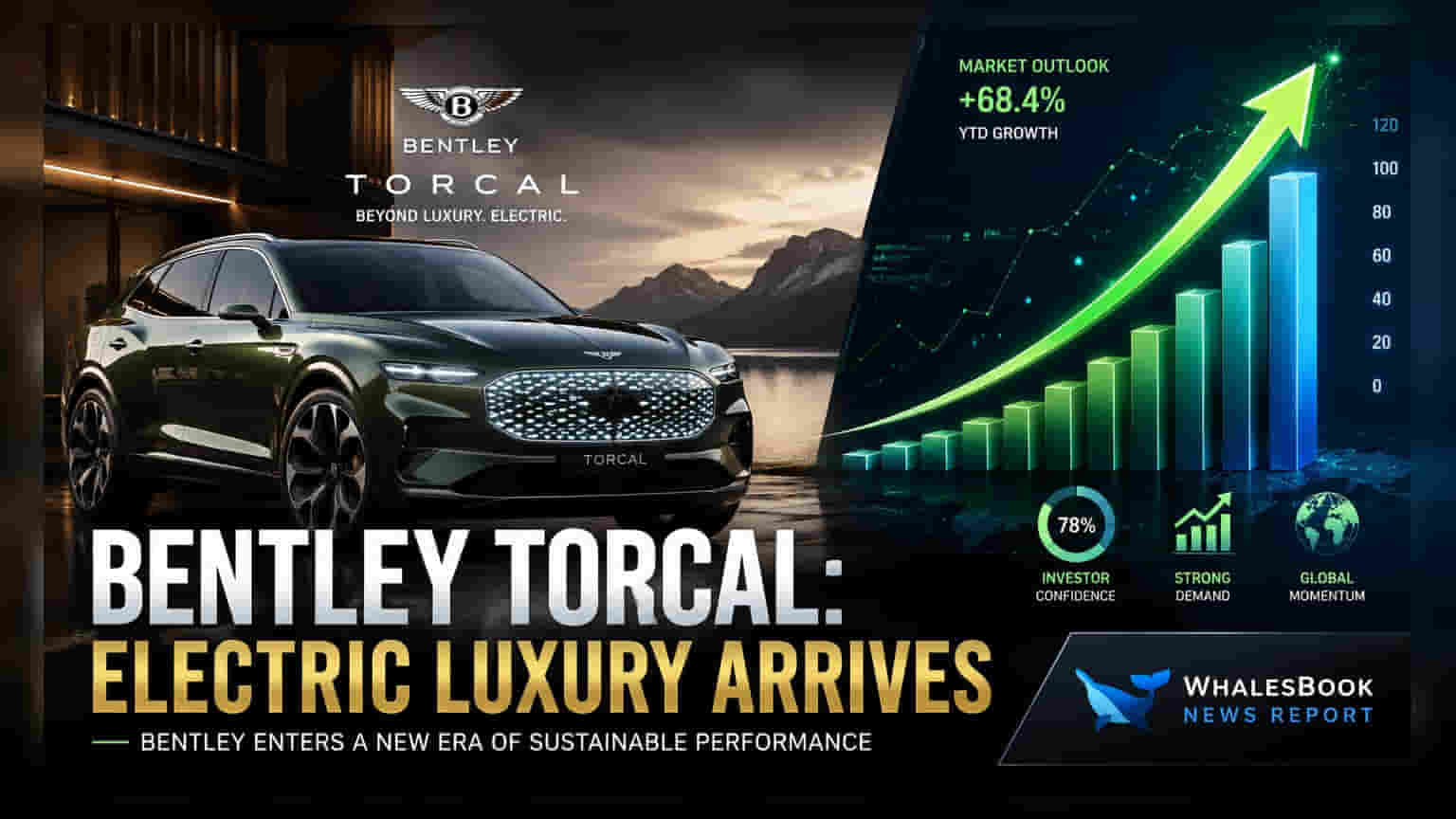
Bentley has officially named its first all-electric luxury SUV 'Torcal,' with a launch scheduled for 2026. This vehicle represents a key step in the automaker’s revised goal to reach a fully electrified lineup by 2035. Investors are watching how this transition balances brand identity with the high costs of developing electric platforms.
Bentley has confirmed that its inaugural all-electric vehicle will be an SUV named the Torcal. The reveal, which includes a teaser of the vehicle's design, signals a significant shift for the British luxury manufacturer. While the company originally targeted 2030 for a complete shift to electric power, it has updated its "Beyond 100+" strategy to push this goal to 2035. This adjustment reflects a broader trend among high-end automotive brands managing the complex balance between maintaining traditional luxury appeal and meeting new emission standards.
Strategic Shift and Market Positioning
The Torcal is designed to be a luxury urban SUV, aiming to bridge the gap between classic Bentley heritage and modern electric performance. CEO Dr. Frank-Steffen Walliser has emphasized that the design philosophy centers on the brand's identity first, rather than purely highlighting the electric drivetrain. By ensuring the vehicle shares aesthetic similarities with iconic models like the Bentayga, Bentley hopes to maintain customer loyalty during this transition. This strategy is similar to that of competitors like Rolls-Royce, which emphasizes heritage and brand consistency in its own electric offerings to ensure the shift does not alienate long-term buyers.
Financial and Operational Focus
The development of the Torcal involves substantial investment in new materials and design languages that are expected to influence the rest of the Bentley lineup, including the Flying Spur and Continental GT. For investors, the primary monitorable will be the impact of these capital-intensive projects on profit margins. Transitioning to electric vehicle platforms requires significant spending on research and development, which can put pressure on cash flow in the short term. The success of this move will depend on whether Bentley can maintain its high-margin status while absorbing the costs of electrification.
Challenges in the Luxury EV Segment
While the company has a strong brand advantage, the shift to electric vehicles carries inherent risks. The automotive sector is currently facing challenges related to slowing demand for electric vehicles in some markets and the high cost of battery technology. Furthermore, Bentley must ensure that the performance and range of the Torcal meet the high expectations of its premium customer base. Investors should track future updates regarding the vehicle's production timeline, potential cost overruns during the manufacturing phase, and how the market receives the new design language when it is officially revealed later this year.