

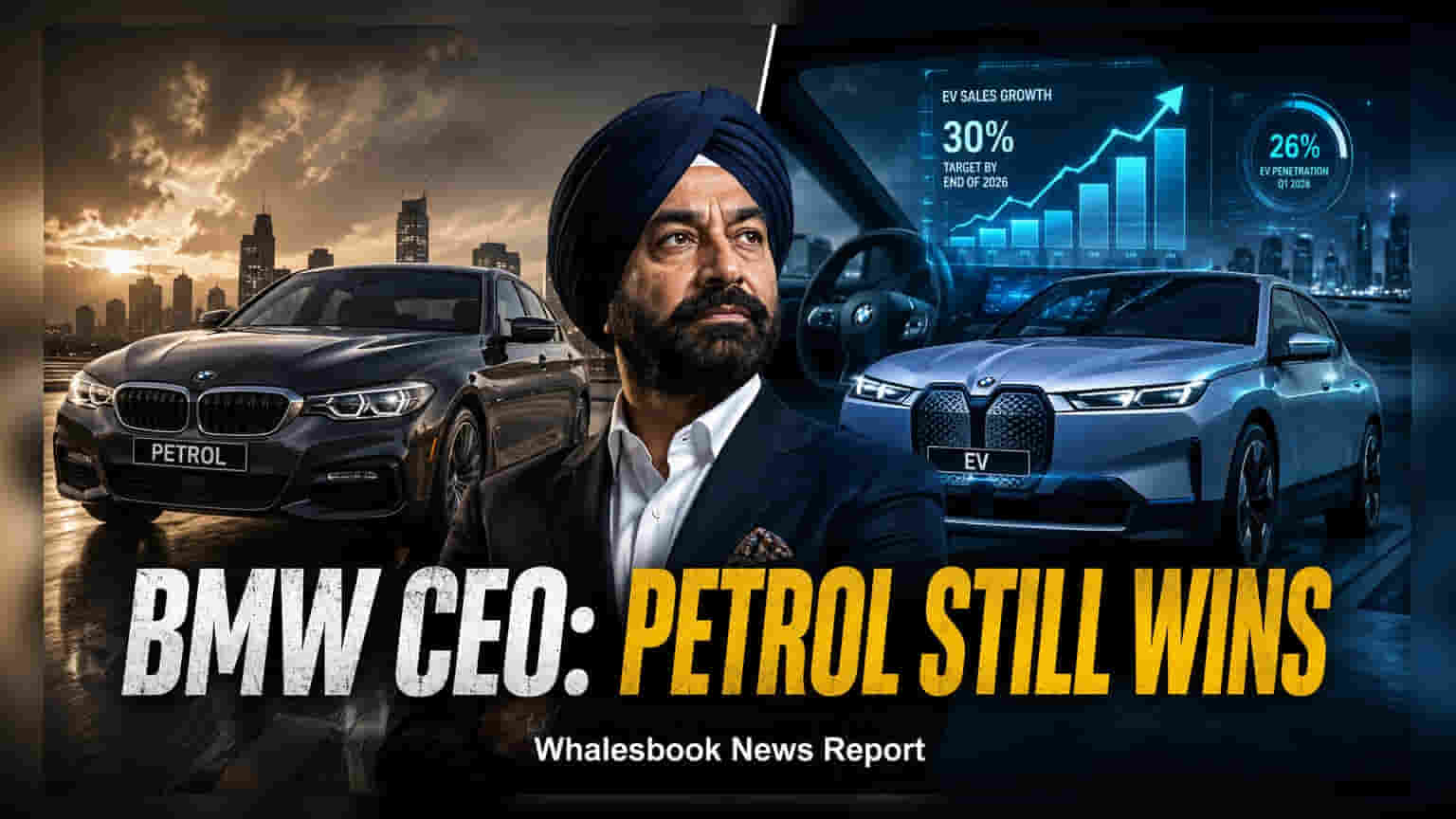
BMW India CEO Hardeep Singh Brar highlights a rising demand from younger buyers and a strategic dual-path for electric vehicles and petrol engines. With EV sales reaching 26% of total volume in Q1 2026, the brand is navigating market competition by focusing on driving dynamics and ethanol compliance. This reflects broader premiumization trends in India’s automotive sector.
The Indian luxury automotive market is undergoing a significant transformation, driven by an influx of younger buyers and shifting consumer preferences. According to BMW Group India President and CEO Hardeep Singh Brar, the brand is witnessing a clear demographic shift, with tech-savvy Gen Z and younger professionals becoming a dominant force in luxury car ownership. This influx is changing how the company approaches its product strategy, moving beyond the traditional base of established business owners.
Balancing EVs and Traditional Engines
While BMW is aggressively expanding its electric vehicle (EV) footprint—reporting a 26% EV penetration rate in the first quarter of 2026—Brar maintains that the company will continue to cater to internal combustion engine (ICE) preferences. His personal affinity for petrol engines underscores the reality that many buyers still value the performance dynamics of traditional powertrains. For the company, this means a dual-track strategy: pushing EV adoption to reach a 30% sales target by the end of 2026 while ensuring that existing petrol models remain highly competitive and relevant.
Navigating Competition and Compliance
Brar views the entry of more luxury brands into the Indian market not as a threat, but as a growth catalyst. He believes that intense competition elevates industry standards and helps expand the overall premium market, which has historically been a small fraction of total Indian car sales.
On the technical front, BMW has aligned its portfolio with India's cleaner fuel mandate. All BMW vehicles sold in the country are now E25-compliant, meaning they can safely operate on petrol with 25% ethanol blending. This supports India's government initiative to reduce the crude oil import bill, showcasing how luxury manufacturers are adapting their global technologies to local regulatory requirements.
Strategic Risks and Outlook
For investors and industry observers, the luxury auto segment faces specific challenges despite the growth in demand. A primary risk factor is foreign exchange volatility. Because luxury manufacturers in India rely heavily on the import of components and completely knocked down (CKD) kits, any significant fluctuation in the rupee against foreign currencies can pressure profit margins.
Additionally, the adoption of EVs in the premium segment faces the challenge of price parity. While luxury buyers are less sensitive to pricing than mass-market consumers, the high upfront cost of battery-electric vehicles requires strong value propositions to sustain long-term growth. Furthermore, global crude oil prices remain a monitorable variable, as they directly influence fuel costs and can shift consumer sentiment toward or away from traditional combustion engine models. The industry’s ability to manage these costs while meeting sustainability goals will determine the pace of future growth in the luxury sector.