

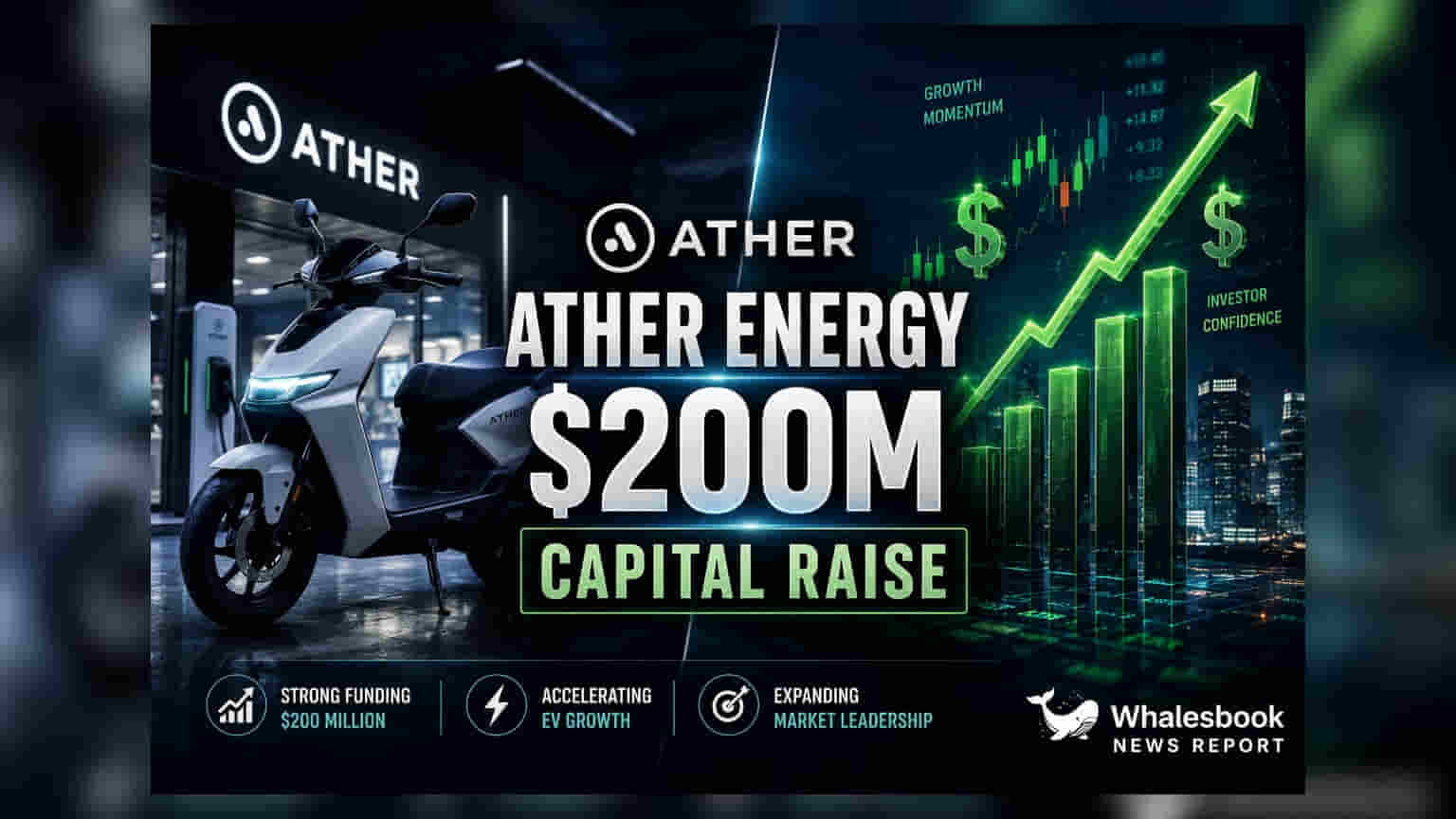
Electric two-wheeler maker Ather Energy is preparing to raise up to $200 million through a qualified institutional placement. The company aims to use these funds to increase manufacturing capacity, expand its retail network, and develop new product lines. This capital raising comes as Ather looks to strengthen its market position amid rising competition from legacy auto manufacturers and EV-focused peers.
Ather Energy Ltd. is preparing to initiate a share sale to institutional investors, aiming to raise as much as $200 million. The company has appointed HSBC, Axis Capital, and Nomura to manage the transaction, which could begin as early as next week. This move is part of the company's broader strategy to support its growth plans in the competitive Indian electric two-wheeler market.
Usage of Raised Funds and Strategic Goals
The capital infusion is intended to finance several key areas of the business. Ather Energy plans to use the funds to increase its manufacturing capacity to meet potential demand. Additionally, the company intends to expand its retail footprint to reach a larger customer base across India. A portion of the proceeds is also allocated for new product development, which remains a focus as the company attempts to diversify its portfolio beyond its existing electric scooter models.
Competitive Landscape and Market Context
The electric two-wheeler segment in India has seen increased activity, with significant participation from both established automotive companies and newer entrants. Ather Energy competes with major players including Ola Electric Mobility Ltd., TVS Motor Company, and Bajaj Auto Ltd. While the demand for electric vehicles has been supported by various factors, including the push for cleaner transportation and government incentives, the sector faces risks related to execution, evolving battery technology, and competitive pricing pressures.
Financial and Operational Considerations
For investors, the primary monitorable will be how effectively the company executes its expansion plans given the intense competition in the sector. Expanding manufacturing facilities and retail networks involves significant capital spending, which can impact cash flow and profit margins in the near term. The company's ability to maintain its market share while managing these costs will be essential for its long-term financial health. Furthermore, as the EV sector continues to mature, factors such as raw material costs and the availability of charging infrastructure remain key variables that influence the operating environment for all participants. Investors may track future updates from the company regarding the final terms of the share sale, project timelines, and any updates on product development milestones.