

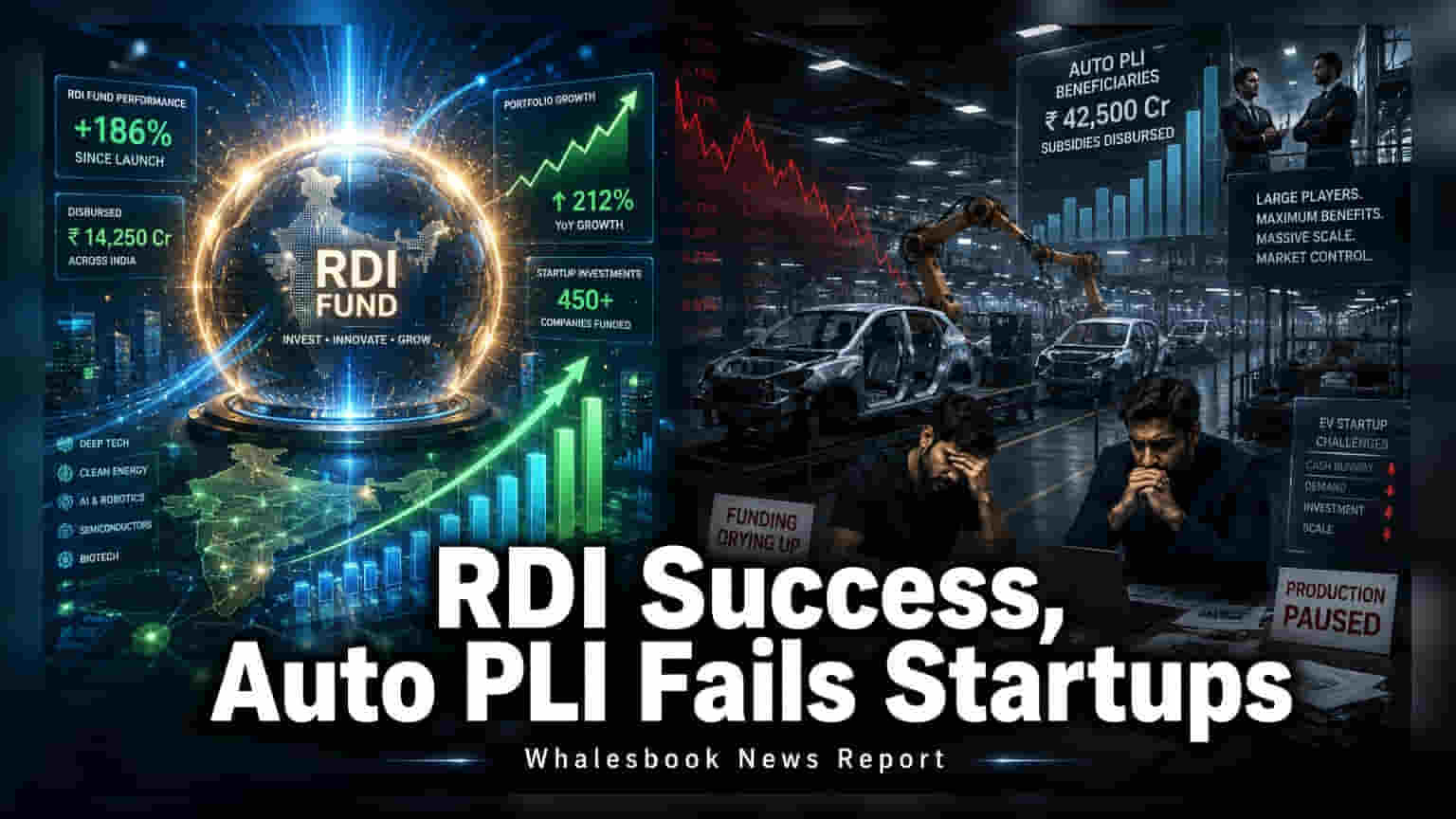
Ather Energy CEO Tarun Mehta has requested a revision to the government’s automotive Production Linked Incentive (PLI) criteria to include growing EV startups. While praising the new Rs 1 lakh crore RDI fund, Mehta noted that current PLI rules exclude companies that have moved past early stages but have not yet reached a Rs 10,000 crore revenue threshold.
Detailed Coverage
Ather Energy's Co-founder and CEO Tarun Mehta recently highlighted a significant policy hurdle for electric vehicle (EV) startups in India. During his discussion at the Rising Bharat Summit, Mehta argued that the existing Automotive Production Linked Incentive (PLI) scheme contains a structural flaw that keeps many innovative EV companies from accessing government support.
Current PLI Thresholds Create Barriers
The core of the issue lies in the eligibility criteria for the automotive PLI scheme. According to Mehta, the current guidelines are split between two extremes that leave mid-sized, growing startups in a difficult position. The scheme effectively requires a company to either be a brand new entity with zero revenue or an established firm with at least Rs 10,000 crore in revenue. Because most commercially active EV startups fall somewhere between these two points, they remain ineligible for the program. This is a critical issue because the PLI scheme provides a financial benefit of approximately 16% cashback, which significantly helps companies offset the high costs of research and manufacturing.
RDI Fund as a Positive Step
While pointing out the gaps in the PLI scheme, Mehta praised the Indian government's Rs 1 lakh crore Research, Development and Innovation (RDI) fund, which was launched in November 2025. He described it as a major success for the deeptech and hardware ecosystem. Ather Energy has utilized this fund by securing a low-interest loan, which the company is using to support its research and development goals. This fund is designed to provide long-term financing, which is essential for companies focusing on complex technologies like quantum computing, semiconductors, and artificial intelligence.
Investor Context and Market Impact
For investors, the distinction between these two government initiatives is important. While the RDI fund provides capital for innovation, the automotive PLI scheme is directly tied to manufacturing volume and scale. The exclusion from PLI benefits impacts a company's ability to lower its cost structure compared to larger, legacy competitors who may meet the revenue requirements. If the government decides to adjust these criteria to include active startups, it could improve the financial flexibility and profit margins for firms like Ather Energy. Investors should track whether the Ministry of Heavy Industries or related government bodies announce any policy revisions or consultations regarding these PLI thresholds, as this could shift the competitive landscape for newer EV players in India.