

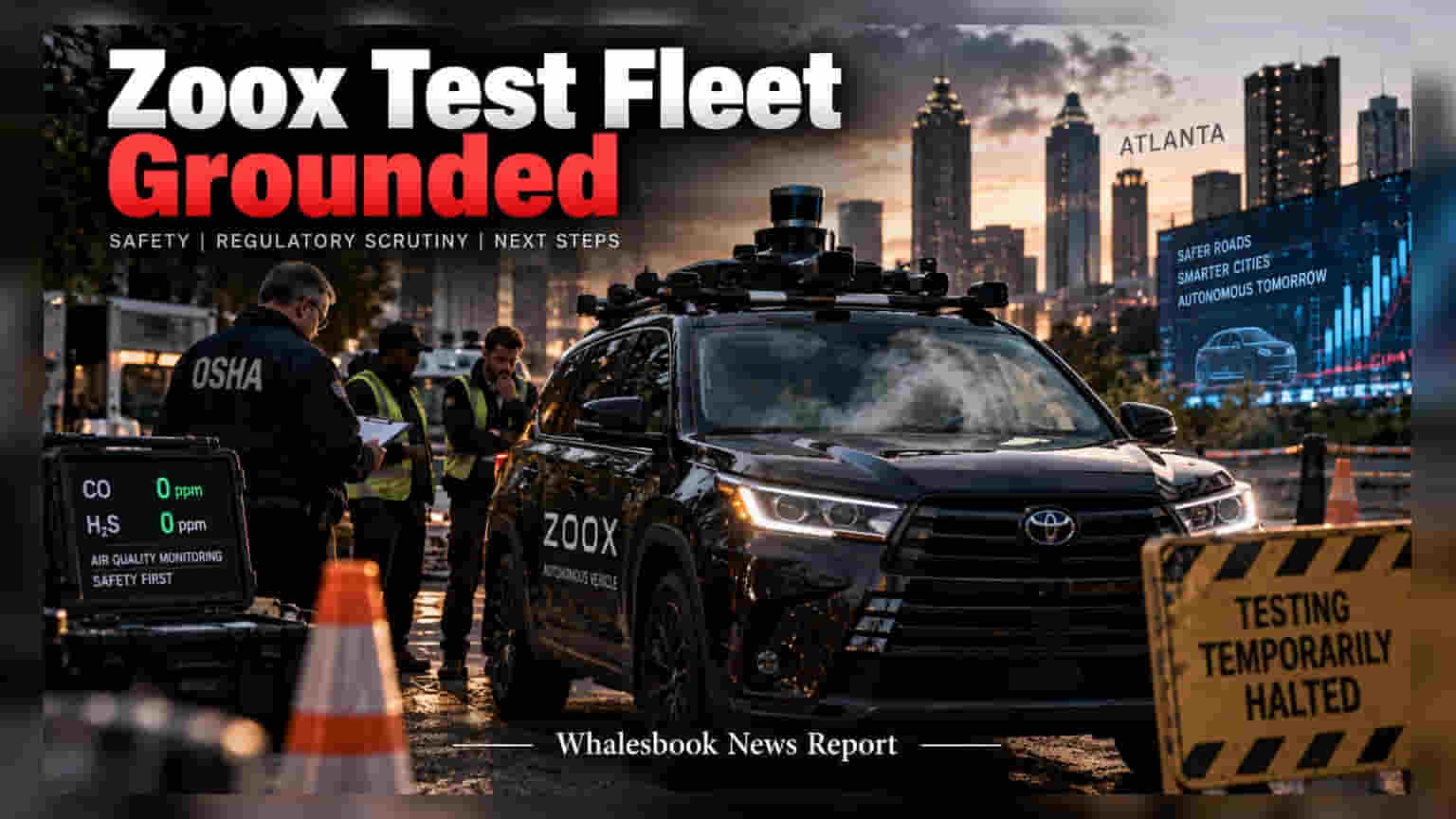
Amazon-owned autonomous unit Zoox has suspended its Atlanta testing fleet operations following an OSHA inquiry. The probe follows reports of worker illness linked to suspected toxic gas exposure from modified combustion-engine vehicles. This incident creates operational headwinds as the company works to scale its robotaxi technology in busy urban environments.
Amazon-owned autonomous vehicle developer Zoox has temporarily halted its testing operations in Atlanta following an inquiry by the U.S. Occupational Safety and Health Administration (OSHA). The federal safety regulator launched the investigation after multiple test drivers and staff members reported health issues, attributing symptoms to potential exposure to carbon monoxide and hydrogen sulfide inside their testing vehicles.
Vehicle Modifications and Safety Risks
The core issue involves the design of Zoox’s current testing fleet. While the company is developing purpose-built, all-electric robotaxis, its active testing fleet currently consists of modified Toyota Highlander SUVs powered by internal combustion engines. According to reports from the facility, these vehicles undergo significant modifications to accommodate advanced autonomous sensors and computing hardware. These modifications may have compromised the cabin sealing, leading to the reported exhaust gas intrusion. Unlike competitors such as Waymo, which utilize electric vehicle platforms for their testing operations, Zoox’s reliance on modified gasoline-powered vehicles introduces distinct maintenance and safety variables, including the need for robust exhaust management.
Operational Impact on Amazon's 'Other Bets'
Amazon acquired Zoox in 2020 as part of its long-term strategy to build a footprint in the autonomous transport and logistics sector. While this incident is limited to the Atlanta testing site and currently appears immaterial to Amazon’s massive overall financial results, it represents a significant operational hurdle for the subsidiary. The company has since resumed limited activity, but the situation underscores the challenges of scaling autonomous vehicle technology in high-density urban areas. For investors, the incident highlights the regulatory and execution risks inherent in testing complex, sensor-heavy autonomous systems. The company has stated it is implementing enhanced gas monitoring equipment to address these safety concerns, but restoring full trust with local operational teams remains a priority.
Regulatory Scrutiny and Future Monitorables
This incident adds to the growing regulatory pressure on autonomous vehicle testing across the industry. While companies like Tesla and Alphabet’s Waymo are also under various forms of regulatory scrutiny, the specific nature of this incident—linked to physical worker health rather than driving software—is a reminder of the industrial safety requirements necessary for robotaxi operators. Investors and industry analysts will likely monitor whether this event triggers broader safety reviews at Zoox’s other testing facilities or leads to changes in how the company modifies its non-electric test fleet. The primary focus moving forward will be on the final results of the federal inquiry, the effectiveness of the new gas monitoring protocols, and any potential impact on the company’s ability to maintain its projected testing timelines.