 Whalesbook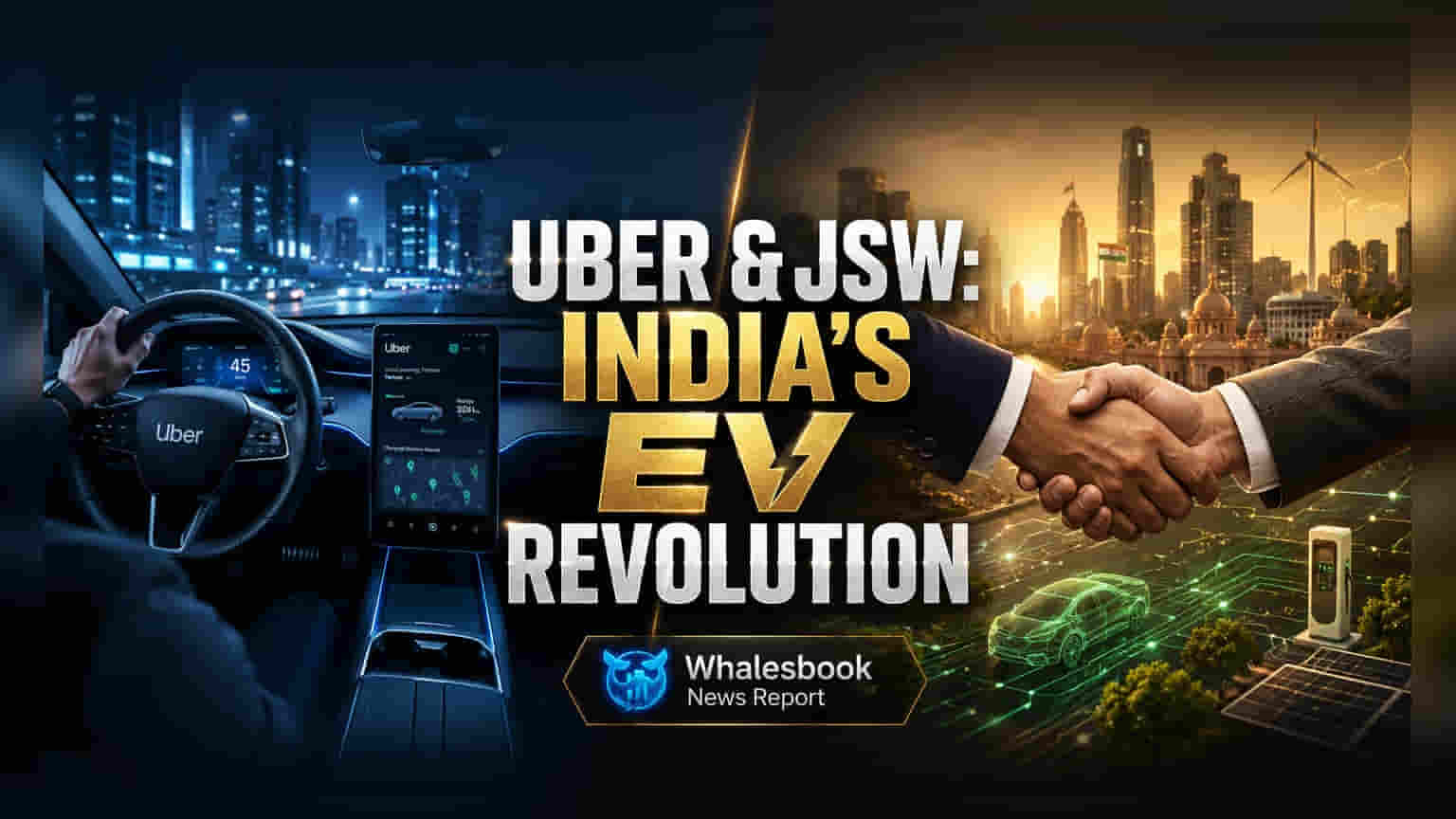


Uber and JSW Forge Electric Vehicle Partnership for India
Uber is deepening its commitment to India's ride-hailing market through a strategic collaboration with JSW Group. The companies will jointly develop electric vehicles (EVs) specifically designed for the unique demands of Indian ride-hailing services. This partnership aims to accelerate the adoption of electric mobility and support India's environmental targets.
Tailored EV Design for Indian Drivers
The core of this alliance involves creating EVs that meet the practical needs of drivers and fleet operators in India. JSW Green Mobility will work with Uber to ensure vehicles are cost-effective, perform well, and are suited for India's diverse urban conditions. This approach seeks to overcome limitations of current imported EVs, which may not be optimized for local use.
Driving India's Green Mobility Goals
This collaboration directly supports India's push for decarbonization and increased EV usage. Uber CEO Dara Khosrowshahi and JSW Group Director Parth Jindal have formalized the understanding, highlighting strong leadership commitment. The partnership combines Uber's ride-hailing expertise with JSW's growing presence in automotive and green energy sectors.
Enhancing EV Adoption Through Alliances
Prabhjeet Singh, President of Uber India, emphasized that partnerships are key to advancing electric mobility. He stated the JSW collaboration is crucial for speeding up EV adoption by creating solutions specifically for Indian users. This initiative is part of Uber's broader plan to expand EV availability across its services in India.
Market Position and Analyst Insights
This move positions Uber proactively in India's EV market, distinguishing it from competitors relying on standard EV models. While JSW Group is a new player in large-scale EV co-development with a major ride-hailing firm, its industrial strength and financial backing offer a solid foundation. Analysts view this as a potential model for other ride-hailing companies in emerging markets. Success will depend on JSW's manufacturing capabilities and Uber's ability to encourage driver uptake. Cost-effectiveness and driver income are expected to be critical for acceptance.
Future Developments
Details on specific vehicle models, launch timelines, and charging infrastructure are still undisclosed. However, the agreement signals a clear move towards implementation. The partnership is expected to positively impact India's automotive sector, potentially driving more investment in local EV production and supply chains.