 Whalesbook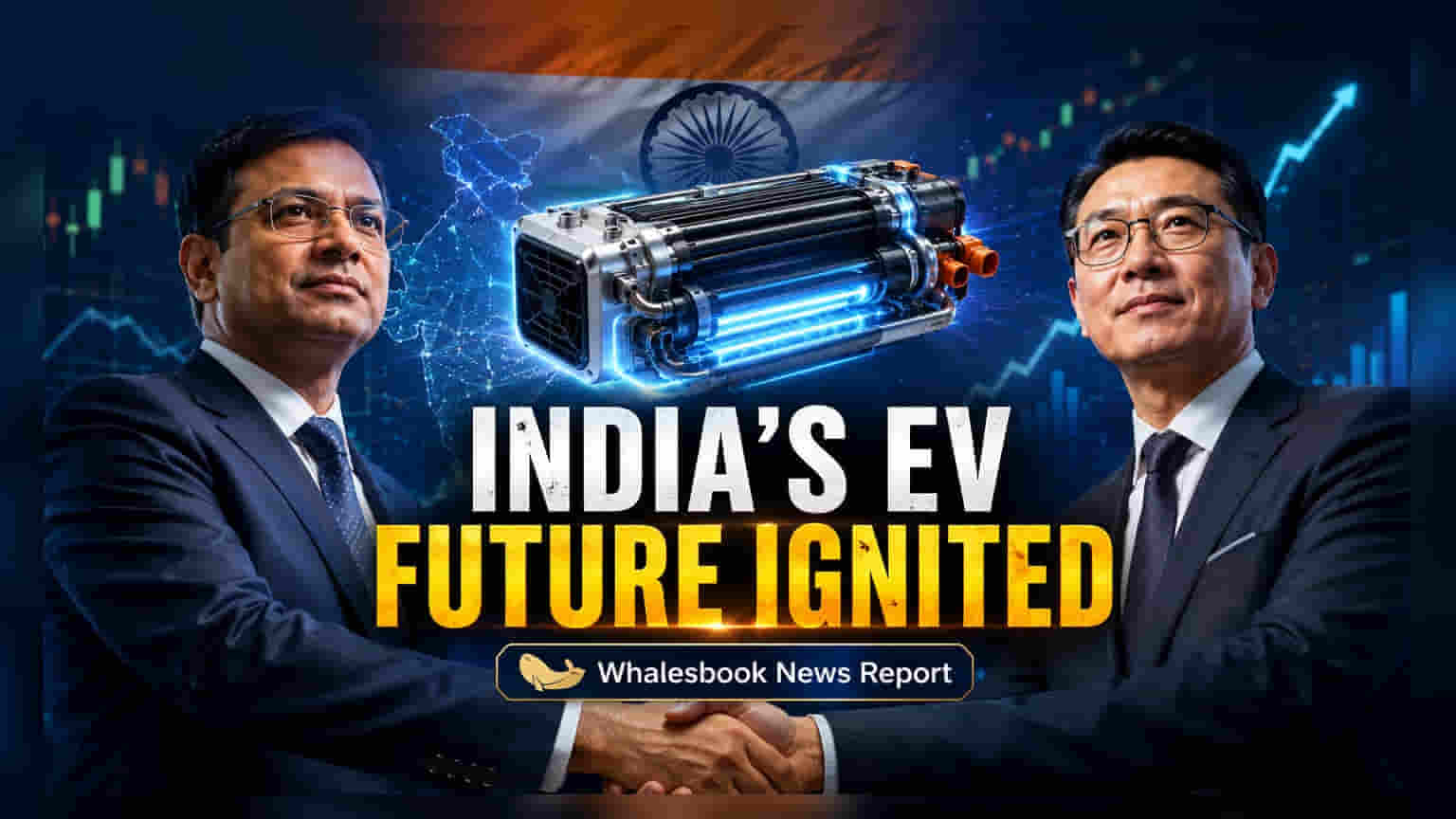


Thermal Management and Margin Expansion
The move to localize Positive Temperature Coefficient (PTC) heater production represents a calculated shift toward vertical integration in the thermal management segment. As EV architectures demand more complex battery climate control than internal combustion counterparts, PTC heating technology becomes a prerequisite for vehicle efficiency. By transitioning from importer to manufacturer, the joint venture effectively bypasses volatile import duties and logistics costs that have historically plagued specialized component suppliers in the region. This transition is essential for maintaining pricing power as domestic OEMs aggressively seek cost-competitive local suppliers to improve their own balance sheets.
The Competitive Landscape
Unlike traditional HVAC suppliers that continue to rely on legacy mechanical systems, this partnership aligns with a broader industry trend toward electrification-ready components. Jahwa Electronics brings critical intellectual property regarding electronic stability, which differentiates this output from generic localized heaters. The competitive intensity in this niche is rising, with firms like Denso and Mahle expanding their localized footprints. Tata’s competitive advantage rests on its existing supplier network and its deep entrenchment with Tata Motors, which provides a captive testing ground for these components before they reach the wider market.
Structural Risks and Execution Hurdles
The venture faces significant risks regarding the long-term adoption rates of high-voltage EVs in the Indian market. Should infrastructure growth stall, the demand for high-voltage PTC heaters—which are significantly more expensive than their low-voltage counterparts—could stagnate, leading to underutilized manufacturing capacity. Furthermore, the reliance on South Korean technical expertise necessitates a high degree of operational alignment. Past cross-border joint ventures in the Indian automotive space have frequently struggled with the integration of distinct corporate cultures, leading to delays in production ramp-ups. Investors should also monitor the potential for raw material price volatility, particularly in the metals required for heating elements, which could squeeze margins if long-term supply contracts are not adequately hedged.
Future Trajectory
The viability of this venture depends on the pace of electrification within the heavy commercial vehicle segment, where high-voltage thermal management is mandatory. While the passenger car segment has shown volatility, the move toward electrified logistics provides a floor for demand. Brokerage sentiment remains cautious regarding the component sector, emphasizing that the long-term profitability of such ventures is tethered to the sustainability of the FAME-III subsidy regime and the broader transition of the commercial fleet toward battery-electric platforms.