 Whalesbook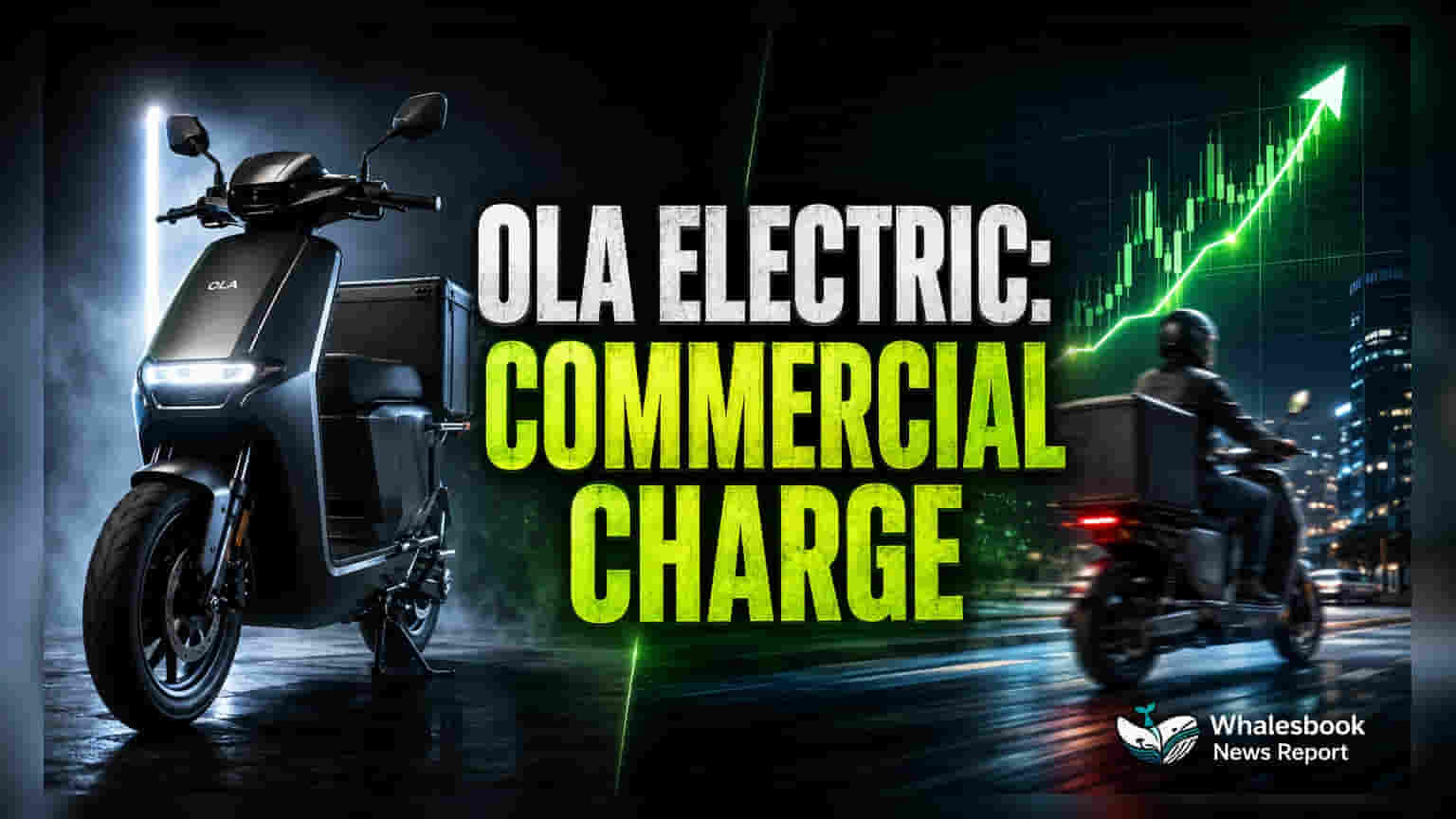


New Electric Scooter for Commercial Use
Ola Electric is focusing on the commercial sector with a new S1 platform electric scooter. This 4-kilowatt, 70-kmph vehicle is built for gig-economy delivery services. The approval from the Automotive Research Association of India (ARAI) is a key step to help Ola diversify its income streams and counter weak demand.
Financial Challenges and Investor Scrutiny
In the fourth quarter of fiscal year 2026, Ola Electric's revenue fell to ₹265 crore from ₹611 crore in the same period last year. The company did reduce its net loss to ₹500 crore through cost cuts and efficiency improvements. However, its stock remains under close watch. With a negative P/E ratio and a market value around ₹16,585 crore, investors are watching how effectively the new commercial strategy can drive growth. Major competitors like TVS Motor Company and Bajaj Auto have strengthened their market positions by using their established networks.
Ongoing Risks and Competition
Despite the new commercial vehicle, structural risks remain. Auditors have raised questions about Ola Electric's ability to continue operating, citing negative cash flow and the need for more funding. Competition is intense, with companies like Ather Energy gaining customers by focusing on reliable service and product quality, areas where Ola has faced customer trust issues. Supply chain disruptions and rising battery material costs could also reduce profit margins, potentially offsetting benefits from government production incentives.
Future Prospects
Ola Electric expects to see a rebound in order volumes in the first quarter of FY27, aiming for 40,000 to 45,000 units. It is still uncertain if the new commercial scooter will gain enough market share for a lasting recovery. Success will depend on the company's ability to balance its tech-focused growth with the essential needs of fleet operators, who prioritize vehicle uptime and after-sales support.