 Whalesbook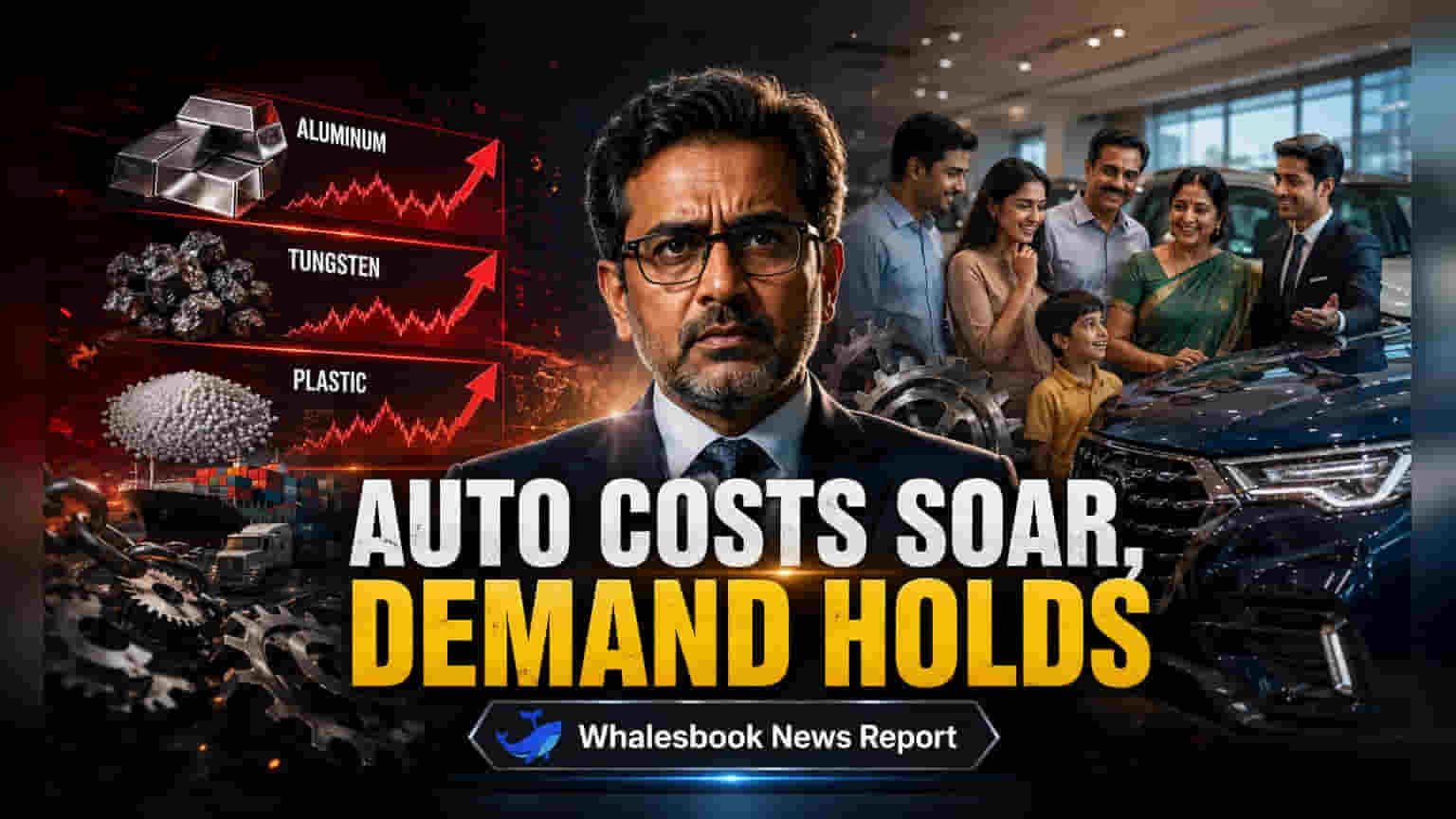


Input Costs Squeeze Automakers
The Indian automotive sector is experiencing a sharp rise in the cost of essential raw materials, including plastics, aluminum, and tungsten. This increase puts pressure on both car manufacturers and their parts suppliers. It is widely expected that these higher production costs will eventually be passed on to customers, though the exact timing of these price hikes is unclear. Even with these cost pressures, the underlying demand for vehicles in India remains strong. This suggests that companies might have to absorb some of these increased costs, potentially affecting their short-term profits while sales volumes remain steady. It is anticipated that it will take some time for these cost issues to stabilize, requiring careful management of inventory and pricing by industry players.
Long-Term Growth and Electric Vehicle Transition
Despite current cost challenges, the long-term outlook for India's automotive market is fundamentally positive, with significant growth potential compared to global markets. This optimism is fueled by rising incomes and a low rate of vehicle ownership, indicating a large market ready for expansion. The ongoing shift towards electric vehicles also supports this positive long-term view. However, the widespread adoption of EVs faces significant obstacles, primarily the lack of adequate charging infrastructure, especially outside major cities. The two-wheeler segment is leading the way in EV adoption, partly because home charging is practical. Investments are being made in EV technology, such as motors and chargers, with a focus on increasing local production to reduce reliance on imported parts. Government support for EV research and development is seen as vital for future growth.
Risks for Smaller Businesses and Technology Dependence
A key concern for the auto sector is the vulnerability of Micro, Small, and Medium Enterprises (MSMEs) to global economic uncertainties. Industry groups are requesting temporary support, such as interest subsidies and loan restructuring, to help these smaller companies. Additionally, reliance on imported technology, particularly for EV components from China and high-cost European solutions, poses a structural risk. While efforts to boost research and development and local manufacturing aim to reduce this dependence, larger, well-funded companies with stronger supply chains may gain a competitive edge in the near term. If rising input costs outpace price increases, profit margins could shrink, especially for smaller manufacturers with less ability to set prices.