

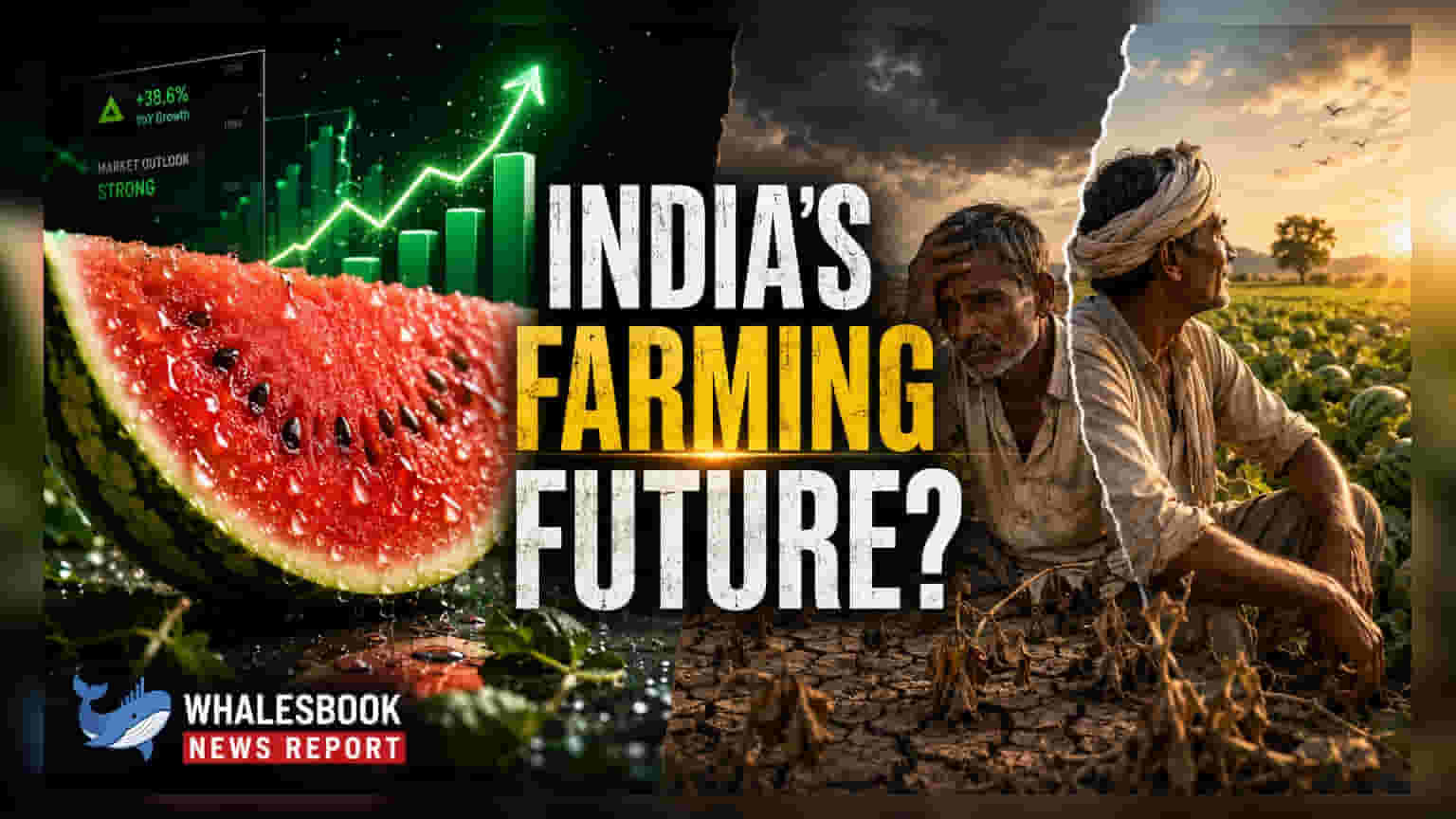
Farmers in drought-prone areas like Jharkhand are turning to watermelon cultivation to improve income and utilize dry land. While this shift supports agricultural diversification, the current policy framework still heavily favors traditional water-intensive crops like rice and wheat.
Agricultural practices in India are seeing a localized shift as farmers in regions such as Jharkhand’s Khunti district move toward watermelon cultivation. This transition is helping farmers reclaim fallow land and generate better financial returns in areas where traditional paddy farming often faces water scarcity and high risks. The success of this transition is largely attributed to support from farmer-producer organizations, known as FPOs, which provide the necessary training and collective bargaining power for smallholders.
Challenges in Shifting from Cereals
Despite the clear benefits of diversifying into horticulture, India’s agricultural landscape remains heavily influenced by long-standing support systems for cereals. The National Food Security Act and the Minimum Support Price system continue to provide a safety net primarily for rice and wheat. These policies encourage the production of water-intensive crops, often making it financially safer for farmers to stick to traditional staples rather than experimenting with higher-value crops like watermelons. While government-backed horticulture schemes do exist, their penetration among small-scale farmers remains limited compared to the reach of cereal-focused procurement programs.
Resource Strain and Policy Signals
The broader economic implications of this crop focus have been highlighted in past government reports. The Economic Survey has frequently pointed out that current subsidies for electricity and water, combined with the MSP procurement structure, encourage monoculture. This practice puts a significant strain on natural resources, particularly groundwater, which is becoming increasingly scarce. NITI Aayog has consistently advocated for a departure from this water-guzzling crop model, emphasizing the need to incentivize farmers toward crops that are better suited to local water availability and climatic conditions.
Climate Adaptation and Future Outlook
As climate change patterns become more unpredictable, increasing the frequency of pests and diseases, the need for resilient farming becomes critical. Crops like watermelon offer a viable alternative due to their shorter growing cycles and better adaptability to specific dry conditions. However, a widespread shift requires more than just farmer initiative. It necessitates a structural move toward better irrigation infrastructure, improved input efficiency training, and stronger market linkages. The next major monitorables for this sector include potential expansions in state-level horticulture policies and the degree to which FPOs can secure consistent market access, which will determine if this niche transition can scale into a broader trend for Indian agriculture.