

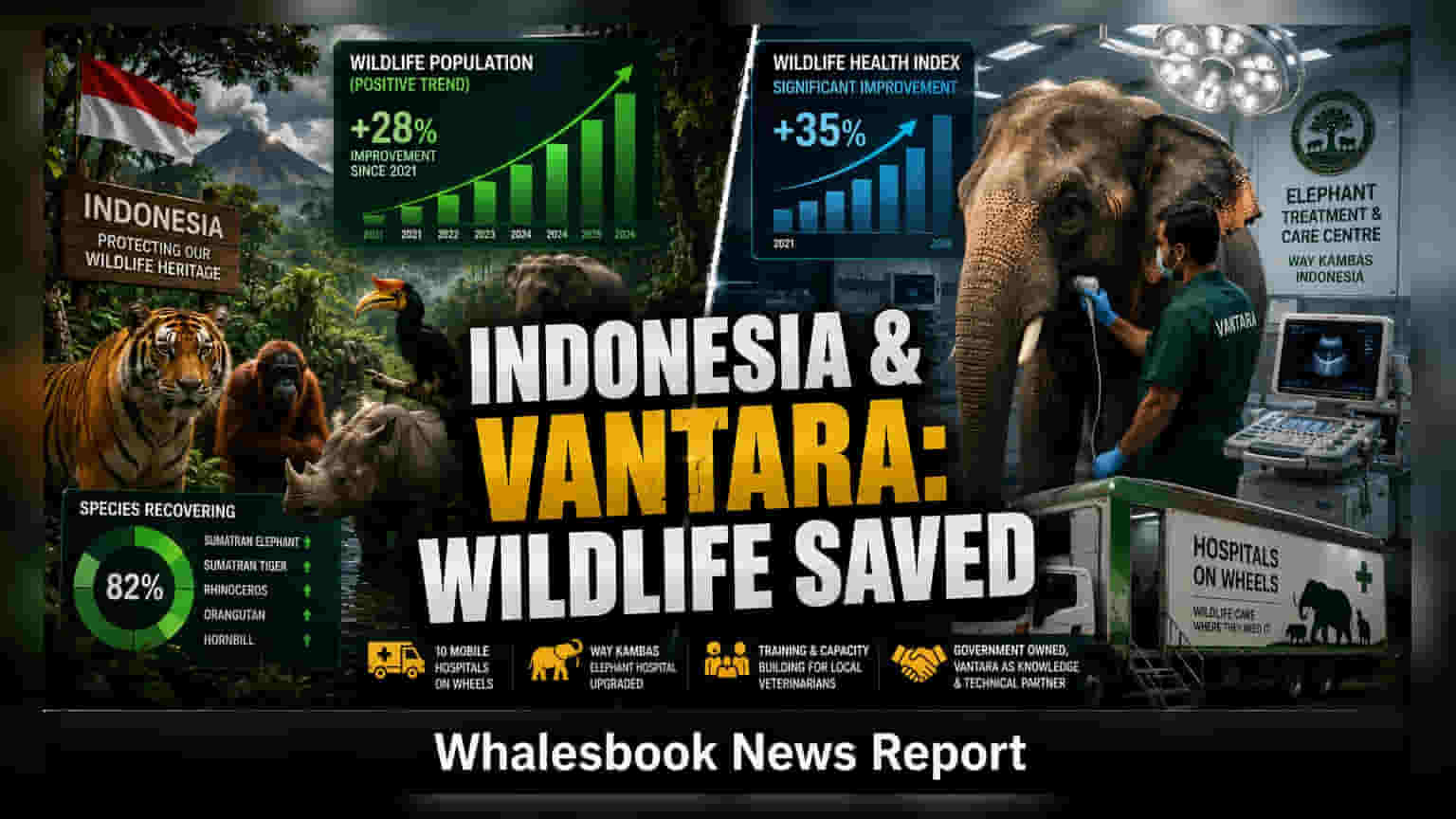
Vantara, the conservation initiative backed by Reliance Industries' Anant Ambani, has entered a partnership with Indonesia’s Ministry of Forestry to bolster wildlife healthcare. The program includes deploying mobile hospitals and upgrading elephant care facilities. For investors, it is important to note that this is a philanthropic and ESG-focused initiative and does not have a direct financial impact on the earnings or revenue of Reliance Industries.
Vantara, the wildlife conservation initiative led by Anant Ambani, has announced a major international collaboration with Indonesia’s Ministry of Forestry and local partner PT Fauna Land Group. The initiative aims to upgrade Indonesia’s wildlife healthcare infrastructure, focusing on veterinary expertise and facilities. The partnership includes the deployment of ten mobile 'Hospitals on Wheels' across Indonesia to provide immediate care to wild animals in their natural habitats. Additionally, the project includes a significant upgrade to the Way Kambas Elephant Hospital, which will be transformed into a specialized Elephant Treatment and Care Centre.
Expanding the Vantara Conservation Model
The initiative aims to replicate the specialized wildlife healthcare systems developed at Vantara’s facility in Jamnagar, India, on an international scale. By providing technical support, training, and medical equipment, Vantara is extending its operational model to support Indonesian authorities. According to the announcement, the facilities and programs established under this collaboration will remain under the ownership and management of the Indonesian government, with Vantara acting as a knowledge and technical partner.
Clarifying the Investor Perspective
For shareholders of Reliance Industries, it is crucial to understand the nature of this partnership. This is a philanthropic and ESG (Environmental, Social, and Governance) engagement rather than a commercial or revenue-generating business venture. Consequently, the partnership is not expected to influence the company’s quarterly revenue, profit margins, or core financial performance metrics. Investors often track such initiatives as indicators of the promoter group's focus on sustainability and global branding, but they do not contribute directly to the financial valuation of the parent company.
Past Context and Operational Risks
While the project aligns with broad conservation goals, investors and stakeholders typically monitor the operational challenges associated with such large-scale environmental efforts. Vantara has previously faced external scrutiny in India regarding its animal sourcing, import practices, and compliance with statutory regulations. However, following a report by a Special Investigation Team, the Supreme Court of India closed complaints against the initiative in September 2025. Moving forward, the success of the Indonesian project will depend on effective implementation across remote regions and navigating the complexities of multi-stakeholder government partnerships.
Beyond the logistical execution, projects of this nature are subject to ongoing public scrutiny regarding transparency and governance. Investors may continue to monitor how such global initiatives impact the company's broader ESG reputation. The primary monitorable for this project remains its operational execution—specifically, the successful deployment of the 'Hospitals on Wheels' and the technical training of local staff as per the government-led timeline.