 Whalesbook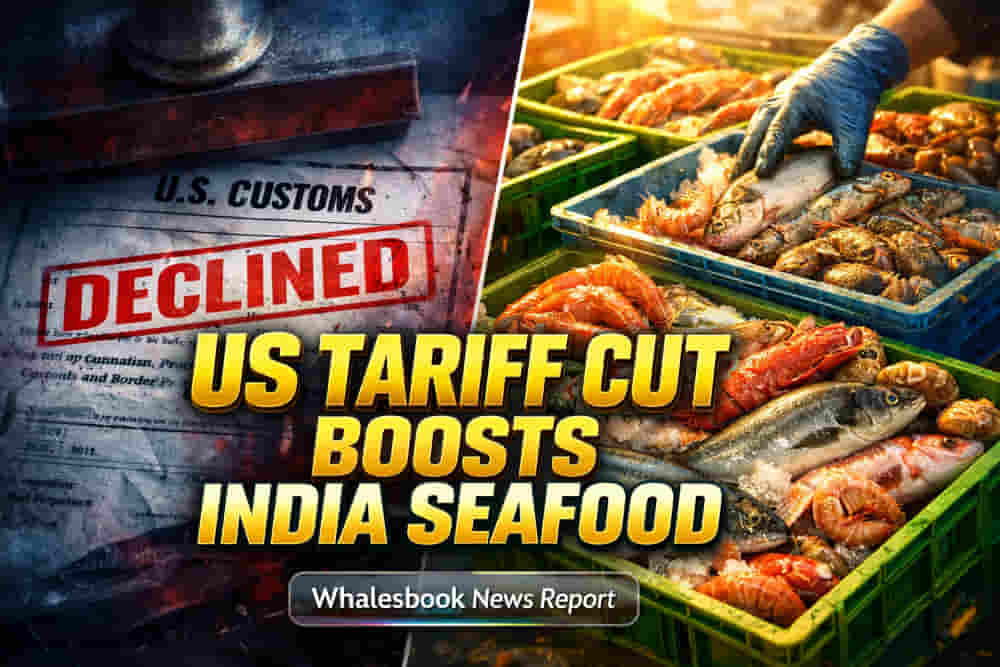
Trade Deal Revives Export Fortunes
The US agreement to significantly slash seafood import tariffs to 18% marks a critical turning point for India's export sector. This move is anticipated to reverse the recent downturn, restoring competitiveness for Indian products in the lucrative American market. The Seafood Exporters Association of India (SEAI) expressed confidence that shipments will soon reach previous levels.
Recent Headwinds Eased
Exports to the US, India's largest market for seafood valued at $2.7 billion in 2024-25, had been under considerable strain. High duties, which reached as much as 50% from August last year, depressed shipments, leading to an estimated 6.3% decline in value and nearly 15% in volume during April-November of the current fiscal year. The SEAI lauded the government's role in finalizing the trade agreement and supporting exporters through the challenging period. Officials from the finance ministry and the department of financial services were particularly recognized for their efforts, motivating the industry to aim for global leadership in seafood exports.