

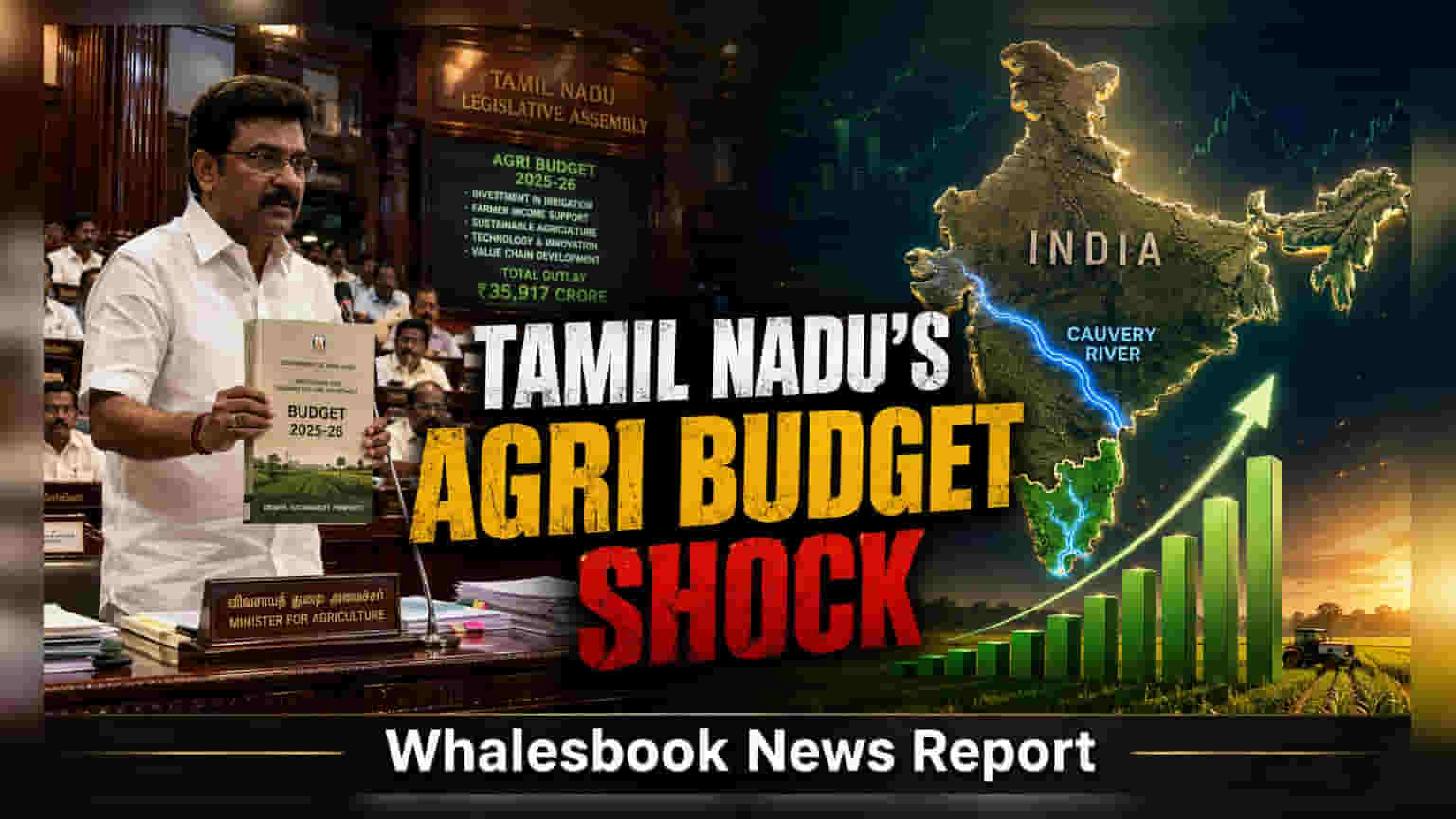
The Tamil Nadu government has introduced its maiden independent Agriculture Budget for the 2026-27 fiscal year. This initiative underscores a significant policy shift toward addressing agrarian challenges, though observers are tracking the potential impact of farmer loan waivers and ongoing water disputes on the state's overall fiscal health.
The Tamil Nadu government presented its first-ever independent Agriculture Budget for the 2026-27 fiscal year on August 6, 2026. This move marks a historic policy change for the state, with Agriculture Minister R. Vinoth tabling the estimates in the Legislative Assembly. The presentation follows the general state budget, which was unveiled by Finance Minister N. Marie Wilson just one day prior, on August 5, 2026.
By creating a separate financial roadmap for the agricultural sector, the administration aims to give focused attention to crop management, irrigation, and farmer welfare. This approach is intended to streamline resource allocation for the agrarian economy, which remains a primary source of livelihood for a large portion of the state’s population. However, the budget introduction comes during a period of complex economic and resource-related pressures.
Fiscal and Economic Implications
For market observers and policymakers, the primary focus is on how this specialized budget interacts with the state's broader finances. Farmer organizations have been vocal about several demands, including the waiver of crop loans and requests for higher Minimum Support Prices for produce. Any decision to implement large-scale loan waivers or subsidies could place additional pressure on the state’s fiscal deficit and available cash resources. Balancing these welfare-oriented policies with the need for infrastructure spending is a key challenge that the government will have to manage in the coming months.
Water Disputes and Resource Risks
Beyond fiscal management, the budget is being scrutinized against the backdrop of significant regional tensions, particularly the Cauvery water dispute and the ongoing disagreement regarding the proposed Mekedatu dam project. These issues are critical for the agricultural sector, as consistent water availability is essential for crop production and yield stability. Uncertainty surrounding these water-sharing agreements creates a layer of risk for agricultural planning and long-term sustainability in the region.
Furthermore, the state must navigate external climate risks, such as erratic monsoon patterns, which can directly affect crop outcomes and farm incomes. The ability of the state to build resilient irrigation systems and manage groundwater depletion will be vital for the long-term success of the agricultural roadmap.
Next Steps for Monitorables
Legislative debates on both the general and agriculture budgets are scheduled to commence on August 7, 2026, with the assembly session continuing through September 8. Stakeholders are expected to closely follow the specific policy announcements and allocations during these debates. The key items for monitorables include the final details on debt relief, the funding assigned to irrigation projects, and any further government commentary on the resolution of regional water disputes.