

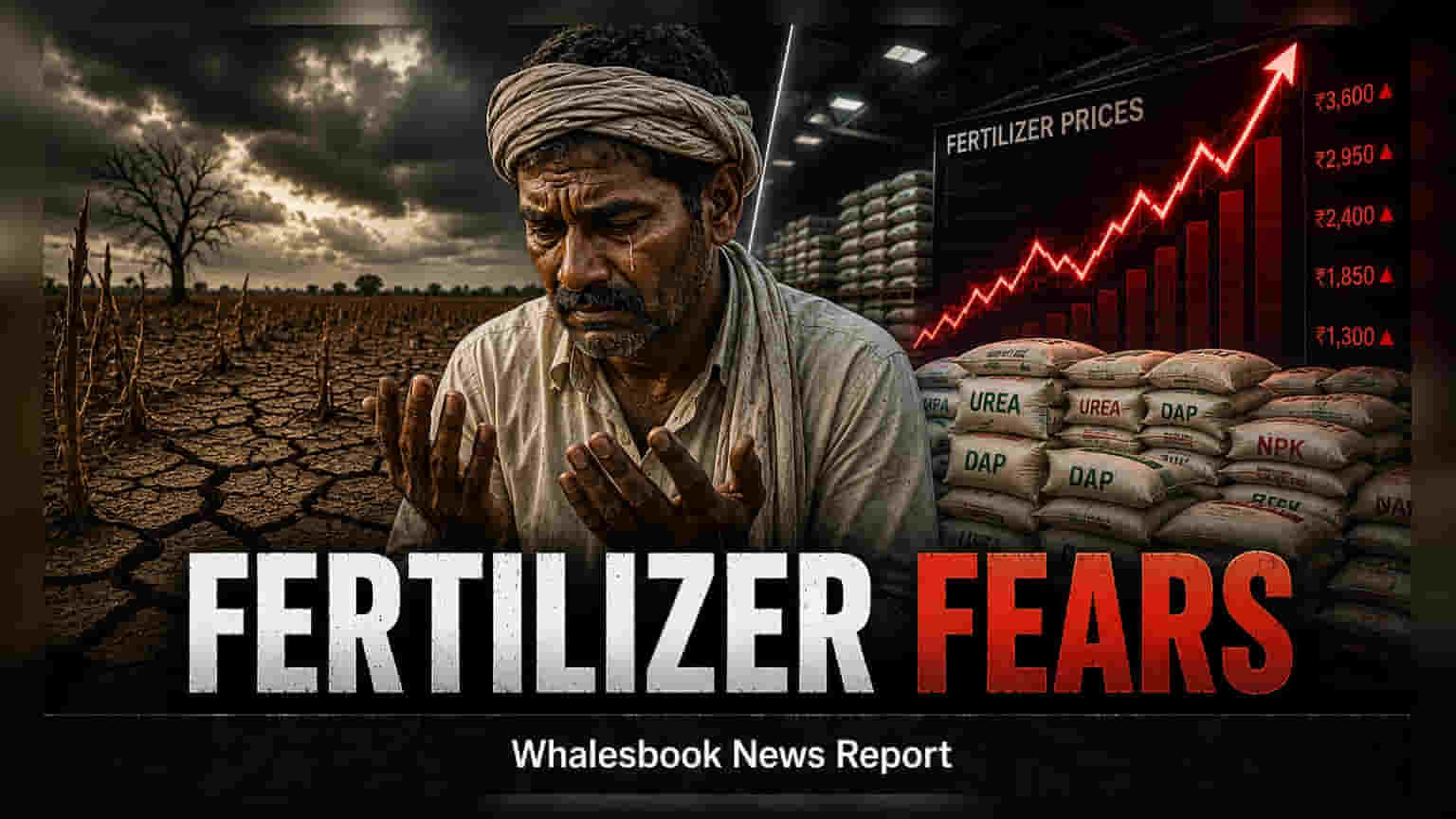
India's soluble fertilizer sector faces a difficult season as input costs rise by up to 100%. While uncertain monsoons may increase demand, high prices could force farmers toward cheaper traditional fertilizers, impacting company margins and government subsidy spending.
The Indian soluble fertilizer market is currently navigating a period of sharp price volatility as global supply chain disruptions push production costs to multi-year highs. Key inputs like monoammonium phosphate, which previously cost roughly $1,000 per tonne, are now trading at $1,500 to $1,600 per tonne. Industry stakeholders, including the Soluble Fertilizer Association of India, have highlighted that these costs are driven by export restrictions from China and regional instability in West Asia.
Impact on Farmer Demand and Consumption
For investors, the primary concern is price sensitivity among the farming community. When costs for specialty fertilizers rise significantly, farmers often shift toward more affordable alternatives like single super phosphate or standard urea and diammonium phosphate. This behavior risks lowering consumption of high-value soluble products, which could put pressure on the profit margins of companies operating in this space. While soluble fertilizers offer higher water efficiency, which is beneficial during erratic monsoon conditions, their premium pricing makes them vulnerable to sudden drops in demand if crop economics do not support the extra cost.
Supply Chain Constraints and Inventory Levels
India remains heavily dependent on imports for these specialty fertilizers, with annual requirements typically around 4 lakh tonnes. With domestic production capacity currently insufficient to meet demand, the industry relies on imports from regions like Russia and the CIS to fill the gap left by Chinese export curbs. While existing inventory from the previous year—when excessive rainfall dampened demand—is currently helping to stabilize immediate supply, a sustained increase in requirement this Kharif season could create a logistical bottleneck. Investors should monitor whether companies can pass these higher input costs to end-users or if they will be forced to absorb the costs, thereby hurting operational profitability.
Government Subsidy and Sector Outlook
Any significant shift by farmers back to conventional, subsidized fertilizers like urea will likely increase the central government's fertilizer subsidy burden. Historically, such government interventions can lead to policy changes regarding pricing and distribution in the sector. Moving forward, the key monitorables for shareholders include the trend in import volumes, the ability of companies to maintain profit margins amid volatile input costs, and how the monsoon distribution affects the actual uptake of these products across major crop-producing states. The sector remains dependent on global commodity price cycles, making it particularly sensitive to geopolitical developments in major exporting nations.