

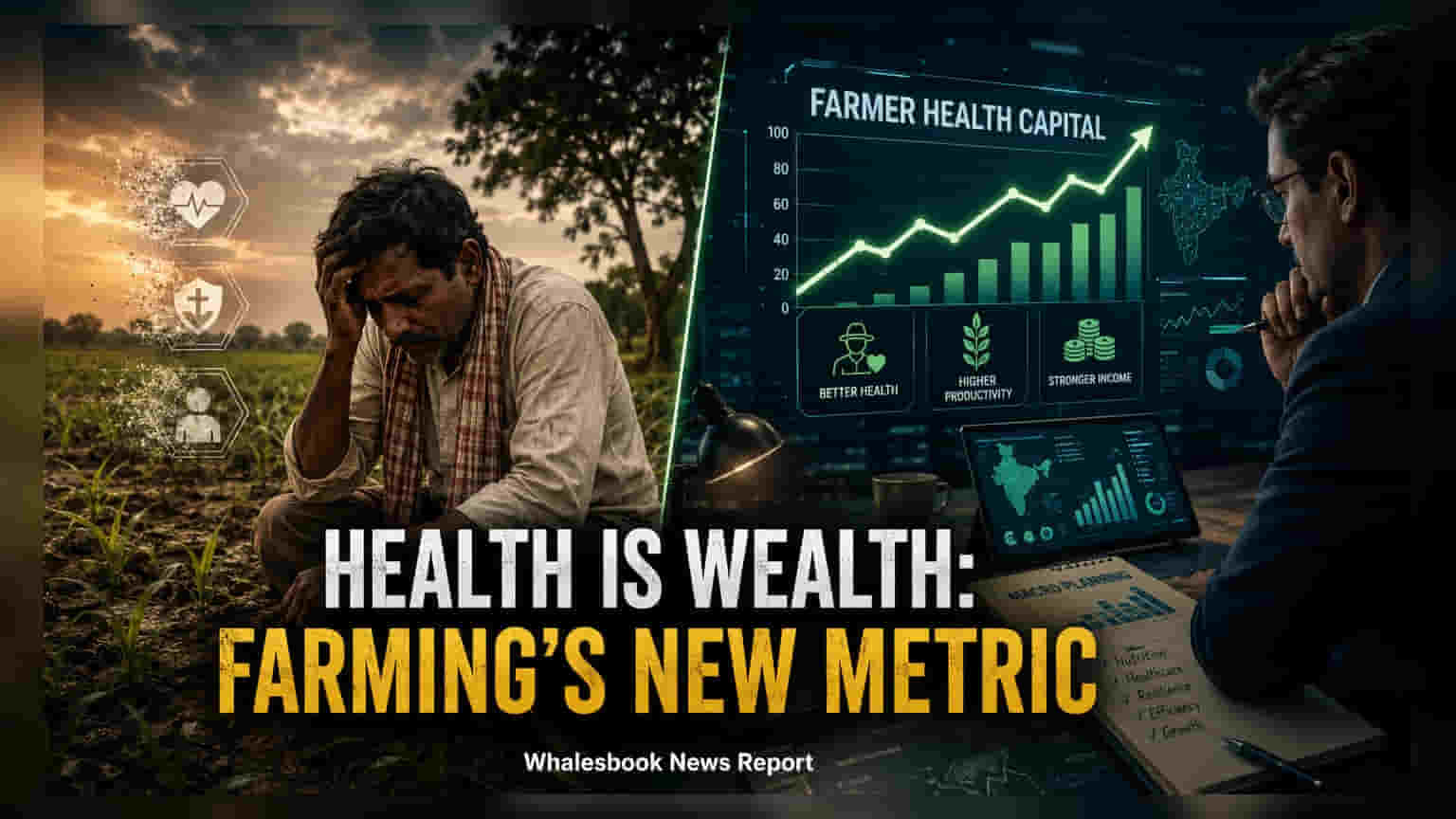
A proposed 'Farmer Health Capital' model suggests linking rural healthcare investments directly to agricultural productivity. By treating farmer well-being as essential economic infrastructure, the framework aims to stabilize food supply chains and improve financial outcomes for smallholder families.
The global agricultural sector is increasingly exploring new frameworks to address the long-standing disconnect between localized smallholder realities and macroeconomic policy. The 'Farmer Health Capital' (FHC) concept has emerged as a proposed methodology to bridge this gap, shifting the focus from viewing rural healthcare as a social welfare expense to recognizing it as a foundational economic asset. This approach argues that agricultural output is heavily dependent on labor health, particularly for the over 500 million smallholder families globally who often lack access to formal healthcare and financial safety nets.
Integrating Health Into Agricultural Productivity
Under the proposed FHC model, labor productivity is adjusted for health, meaning that physical and mental well-being are considered variables in the production function, alongside technology and land. Proponents argue that when healthcare is ignored, occupational strain and medical emergencies frequently force farmers to liquidate productive assets, creating a cycle of poverty that hurts the entire agricultural value chain. By incorporating health insurance and wellness support into agricultural credit lines, the framework aims to prevent these asset liquidations, potentially stabilizing yields and reducing costs for processing cooperatives and agritech firms.
Linking Climate Goals to Financial Stability
Another significant component of this policy shift involves addressing the liquidity challenges faced by smallholders attempting to adopt sustainable practices. Currently, environmental initiatives like agroforestry often require upfront costs that subsistence farmers cannot afford. The FHC framework suggests that Farmer Producer Organizations (FPOs) could play a central role in aggregating smallholder data to participate in carbon markets. By converting carbon sequestration into verifiable digital credits, these organizations could generate immediate cash flows, aligning global climate objectives with the microeconomic survival needs of local cultivators.
Strategic Implementation and Institutional Shifts
To move this from research to practice, the proposed model identifies three key areas for institutional intervention. First, there is a push for multilateral development banks to restructure agricultural credit lines to mandate low-cost health coverage. Second, public and private sector funding is suggested for digital infrastructure that allows FPOs to document carbon sequestration, which would lower the costs of entering voluntary carbon markets. Finally, the framework advocates for a shift in infrastructure spending, moving from purely physical assets like storage silos and roads toward decentralized, mobile healthcare services that operate during critical periods like sowing and harvesting. For investors, the success of these initiatives will depend on the willingness of state entities and private agritech players to adopt these human-centric logistics, which could fundamentally change how agricultural productivity and long-term sustainability are measured in the Indian and global markets.