 Whalesbook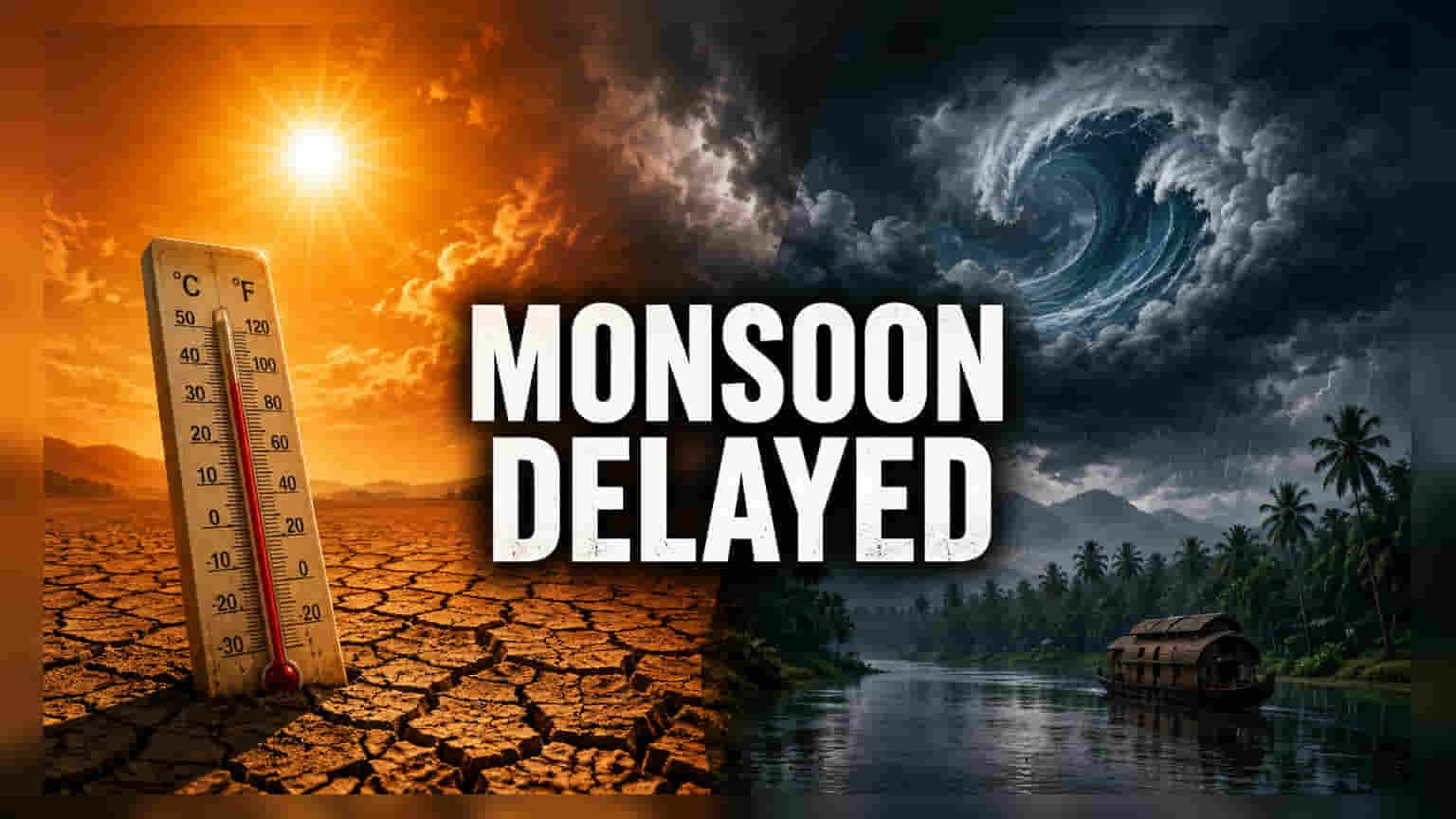


Delayed Planting Window
The late arrival of India's southwest monsoon, now forecast for June 2-4 in Kerala, significantly disrupts the Kharif sowing cycle. The India Meteorological Department's revised forecast means farmers have a shorter period to plant essential crops. The success of agriculture often depends more on how evenly rainfall is distributed than on the total volume. A delayed start forces farmers into a critical dilemma: planting in dry, heat-stressed soil risks seed failure, while waiting too long shortens the crucial growth period. This could lead to lower potential yields for key crops like rice, pulses, and cotton.
El Niño Adds to Climate Worries
While the overall monsoon forecast predicts rainfall at 92% of the long-term average, a growing concern is the potential development of a strong El Niño in the Pacific Ocean by June-July. El Niño events have historically caused substantial monsoon deficits in India. This year, the risk is heightened by dry soil conditions from the ongoing heatwave. The current planting season also faces global supply chain issues affecting fertilizer availability, creating a double challenge for farmers: unpredictable weather and higher input costs.
Squeezed Margins and Demand Concerns
The agricultural sector faces a dual threat of shrinking profit margins and reduced demand. Despite advancements in irrigation, the rural economy's strength relies heavily on farm income. Agrochemical companies, in particular, could see a tough second quarter of fiscal year 2027. Rising raw material prices, partly due to disruptions in shipping routes like the Strait of Hormuz, are increasing costs just as these companies need to maintain sales volume. If they cannot pass these higher costs onto farmers, who are already under financial pressure, it could hurt earnings for fertilizer and pesticide makers.
Outlook for Rural Economy
Experts are reassessing the prospects for India's rural economy. Although government support, such as increased subsidies and irrigation projects, provides some stability, the immediate focus is on how rainfall will spread across the country in June. Analysts point out that while the broader stock market, like the Nifty index, is becoming less dependent on the monsoon due to the growth of the services sector, companies heavily tied to rural spending, such as fast-moving consumer goods (FMCG) and farm equipment makers, remain highly vulnerable to the monsoon's performance over the next three months. The Reserve Bank of India is expected to maintain a cautious stance, as food inflation is a significant factor that could worsen if the current Kharif harvest faces systemic problems.