 Whalesbook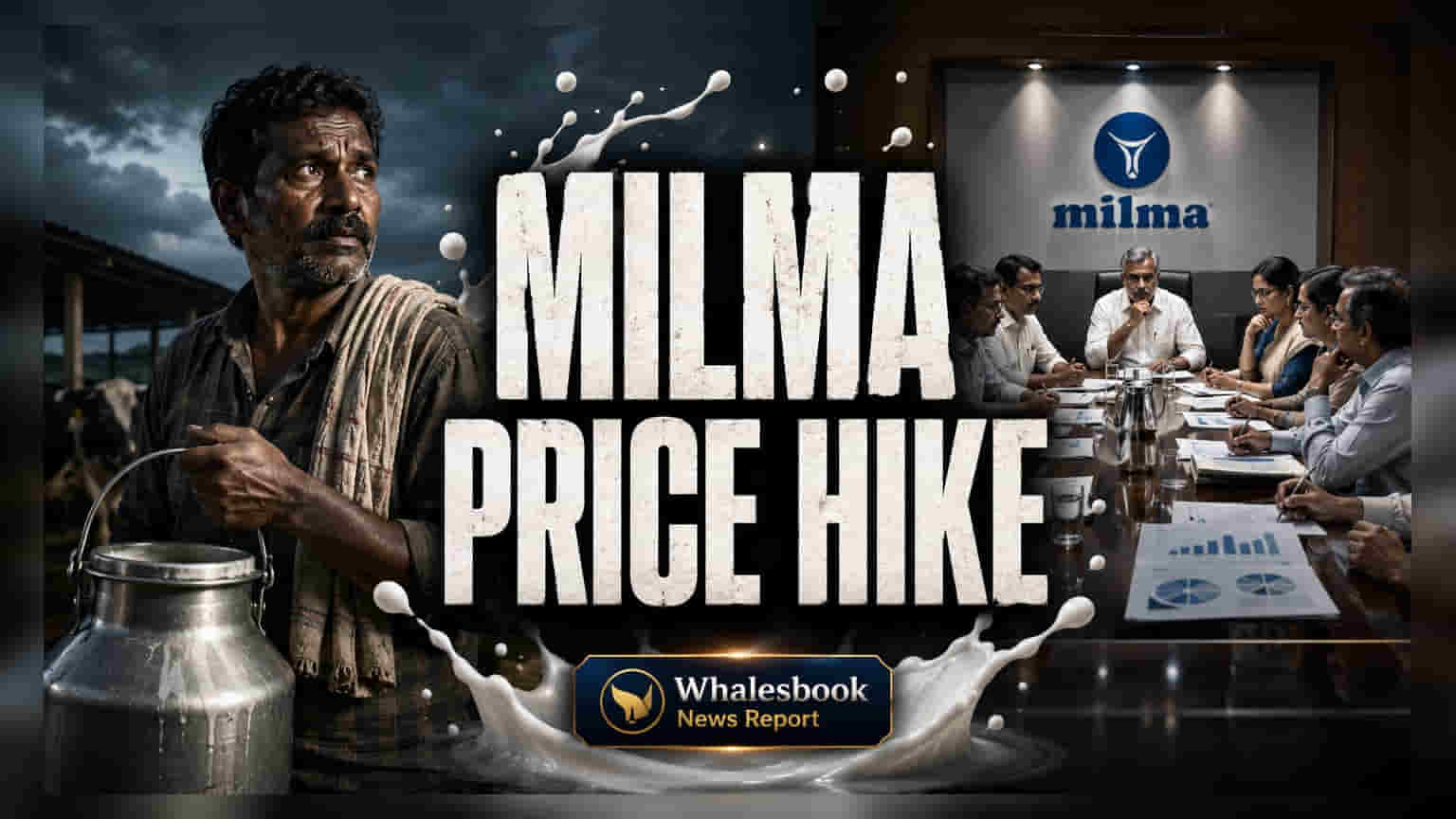


Farmers Get Majority of Milma Milk Price Hike
Milma, Kerala's leading milk cooperative, will increase its milk prices by Rs 4 per litre beginning June 1. The decision, confirmed by the Board of Directors, aims to address escalating production, procurement, and distribution costs impacting dairy farmers. Of the Rs 4 increase, Rs 3.35 per litre, or more than 83% of the hike, will go directly to farmers. This adjustment was delayed due to election protocols but has now been approved by the government. Farmers will now receive Rs 43.39 per litre, up from Rs 40.04.
Why Milk Prices Are Rising
The price revision comes as the dairy sector faces significant financial pressures. Key factors include higher costs for cattle feed, fuel, transportation, and packaging. Reduced milk yields due to drought-like conditions in Kerala have also forced Milma to procure more milk from neighboring states. Despite Milma's turnover reaching Rs 4,346.67 crore in 2023-24, the cooperative has faced financial challenges, including a net loss in the 2018-19 fiscal year.
Nationally, dairy cooperatives like Amul and Mother Dairy have also recently raised prices by Rs 2 per litre, reflecting similar industry-wide cost increases. Milk is a significant component of India's Consumer Price Index, and these hikes contribute to overall food inflation.
Consumer Impact of Price Increase
The price hike will mean consumers pay more for milk. A 500ml packet of homogenized toned milk will now cost Rs 28, up from Rs 26. This adds to the pressure on household budgets, especially with rising costs for fuel and other goods. Increased milk prices can also affect the cost of other dairy products and food items, potentially increasing food inflation across Kerala.
Milma's Future Plans
Milma aims to ensure the long-term sustainability of dairy farming in Kerala by prioritizing farmer income. The cooperative plans to grow into a Rs 10,000 crore organization by 2030 by expanding its value-added product offerings and strengthening its retail presence. This strategy is key to managing rising operational costs while balancing farmer welfare and consumer affordability.